


Eco-Friendly Beach Totes: What Makes a Tote Sustainable?
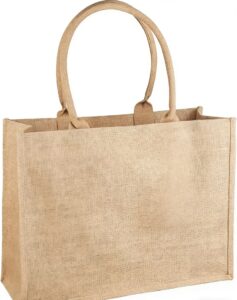
When you’re heading to the beach, a reliable tote bag is essential. But have you ever stopped to think about what your beach tote is made from and how it impacts the environment? The average person uses hundreds of plastic bags throughout their lifetime, and many of these end up in our oceans and landfills. Switching to an eco-friendly beach tote is one of the simplest ways to reduce your environmental footprint while enjoying your time by the water.
Sustainability in beach totes goes far beyond just avoiding plastic. It involves understanding the materials used, how they’re produced, their durability, and what happens to them after their useful life ends.
In this guide, we’ll explore what makes a beach tote truly sustainable and compare various eco-friendly materials so you can make an informed decision about your next purchase.
Understanding Sustainability in Beach Totes:
Sustainability means different things to different people, but when it comes to beach totes, it essentially refers to products that minimize harm to the environment throughout their entire lifecycle. This includes the sourcing of raw materials, manufacturing processes, transportation, actual use, and eventual disposal or recycling.
A truly sustainable beach tote should make from renewable or recycled materials that don’t deplete natural resources. The production process should use minimal water, energy, and chemicals. The tote should be durable enough to last for years, reducing the need to replace it frequently. Finally, at the end of its life, the material should be biodegradable, compostable, or recyclable.
Many brands use the term “eco-friendly” loosely, so it’s important to look beyond marketing claims and understand what’s actually going into your beach bag. Some materials are only partially sustainable, while others offer genuine environmental benefits. The key is knowing how to evaluate these options.
Eco-Friendly Beach Totes: – 1
1.Natural Fiber Materials: Cotton and Its Variants
Organic cotton has become one of the most popular materials for sustainable beach totes.
Unlike conventional cotton, which relies heavily on pesticides and uses enormous amounts of water, organic cotton grows without synthetic pesticides or fertilizers. This makes it significantly less harmful to soil health and local water supplies.
However, organic cotton isn’t perfect. It still requires substantial water to grow, and the production process involves dyeing and finishing, which can introduce chemicals into the environment. That said, many manufacturers of organic cotton totes use low-impact dyes and natural finishing processes to minimize this impact.
Cotton canvas is another popular option for beach totes.
It’s a thicker, more durable weave of cotton that can withstand years of use. When made from organic cotton, canvas provides excellent longevity, which is crucial for sustainability. A bag that lasts ten years is far more sustainable than one that needs replacing every season.
The main advantage of cotton-based totes is that they’re completely biodegradable and compostable.
When they finally reach the end of their life, they’ll naturally decompose without leaving toxic residue behind. They’re also soft, comfortable to carry, and work well for beach use since they can get wet without damage.
Eco-Friendly Beach Totes: – 2
2.Recycled Materials: Giving Plastic a Second Life
Recycled polyester and recycled nylon have emerged as practical alternatives for sustainable beach totes.
These materials make from post-consumer waste, often source from plastic bottles and discarded fishing nets. By using recycled materials, manufacturers divert waste from landfills and reduce the demand for virgin plastic production.
The environmental advantage of recycled materials is clear: they prevent existing plastic waste from accumulating in our environment. A recycled polyester tote made from plastic bottles that would otherwise sit in a landfill for hundreds of years represents genuine environmental progress.
However, recycled synthetic materials aren’t biodegradable.
They’ll persist in the environment for centuries if they’re eventually discarded. This is why many sustainable brands using recycled synthetics focus on creating products built to last a lifetime. The idea is that these bags are so durable and timeless in design that you’ll never need to throw them away.
Some manufacturers also ensure that their recycled material totes are designed to be easily recycled again at the end of their first life, creating a circular economy model. This is an important consideration when evaluating sustainability.
Eco-Friendly Beach Totes: – 3
3.Plant-Based Alternatives: Jute, Hemp, and Linen
Jute is a natural fiber that comes from the jute plant, primarily grown in Bangladesh and India.
It’s incredibly sustainable because jute requires minimal pesticides, grows quickly, and is fully biodegradable. Jute totes have a rustic, natural appearance that many people love, and they’re quite strong and durable.
The downside of jute is that it can be rough on the skin and may shed fibers initially. It’s also not ideal for wet beach environments, as jute can absorb water and take a long time to dry. Additionally, jute production and transportation from Asia to other parts of the world can result in a significant carbon footprint.
Hemp is another plant-based fiber that deserves attention.
Hemp grows without requiring pesticides, fertilizers, or much water. It’s incredibly strong and durable, often stronger than cotton. Hemp fibers are also completely biodegradable and compostable. The main challenge with hemp is availability and cost. Hemp totes tend to be more expensive than cotton alternatives, and they’re less widely available in the market.
Linen, made from flax plants, is another sustainable option.
It requires fewer inputs than cotton and produces beautiful, durable fabric. Linen gets softer and more comfortable with use and washing, making it ideal for a long-lasting beach tote. Like other plant-based materials, linen is fully biodegradable.
Eco-Friendly Beach Totes: – 4
4.Innovative Eco-Materials: Cork and Seaweed
Cork is gaining popularity as a sustainable material for beach accessories.
Cork comes from the bark of cork oak trees, which regenerate after harvesting. This means cork production doesn’t require cutting down trees. Cork is naturally water-resistant, lightweight, and incredibly durable. A cork-lined or cork-trimmed tote offers excellent functionality for beach use.
The sustainability of cork depends largely on responsible forestry practices.
When cork is sourced from well-managed forests with strong environmental protections, it’s an excellent choice. Cork is also biodegradable and can be composted at the end of its life.
Seaweed-based materials represent an exciting frontier in sustainable fashion.
Some innovative companies are developing textiles from seaweed, which grows abundantly without requiring freshwater or agricultural land. These materials are biodegradable, require minimal processing, and help utilize a resource that might otherwise be wasted. However, seaweed textiles are still relatively new and not widely available in the mainstream market.
Comparison Table: Eco-Friendly Beach Tote Materials
| Material | Durability | Water Resistance | Biodegradable | Cost | Environmental Impact | Best For |
|---|---|---|---|---|---|---|
| Organic Cotton | Good | Moderate | Yes | Moderate | Low (with certifications) | General beach use |
| Cotton Canvas | Excellent | Moderate | Yes | Moderate | Low (with certifications) | Heavy-duty use |
| Recycled Polyester | Excellent | High | No | Moderate | Medium (diverts waste) | Frequent use |
| Jute | Good | Low | Yes | Low | Low (transport impact) | Dry environments |
| Hemp | Excellent | Moderate | Yes | High | Very Low | Long-term use |
| Linen | Excellent | Moderate | Yes | Moderate-High | Low | Luxury sustainable option |
| Cork | Excellent | High | Yes | High | Very Low | Water-prone environments |
| Seaweed | Good | Moderate | Yes | High | Very Low | Innovative buyers |
Manufacturing and Production Practices:
The material itself is only part of the sustainability equation. How a tote is manufactured matters just as much. Sustainable brands typically employ several responsible practices throughout production.
Water usage is a critical consideration.
Some manufacturing processes use enormous amounts of water for dyeing and finishing fabrics. Sustainable producers invest in water recycling systems and use low-impact dyes that require less water to set properly. Some brands even use natural dyes derived from plants, though these are less common due to cost.
Energy consumption during manufacturing is another important factor.
Facilities powered by renewable energy sources produce totes with a significantly lower carbon footprint than those relying on fossil fuels. Many eco-conscious brands are transparent about their energy sources and actively work to transition to renewable power.
Chemical usage in the production process affects both environmental health and worker safety.
Sustainable manufacturers avoid harsh chemicals and bleaches, opting instead for gentler alternatives. Certifications like GOTS (Global Organic Textile Standard) ensure that chemicals used meet strict environmental and health standards.
Fair labor practices are also integral to true sustainability.
A tote might be made from sustainable materials but still carry an unsustainable social cost if workers are underpaid or work in unsafe conditions. Reputable eco-friendly brands ensure fair wages and safe working conditions throughout their supply chain.
Durability and Longevity: The Ultimate Sustainability Factor
Here’s something many people overlook: the most sustainable tote is the one you keep and use for years. A cheap tote that falls apart after one season and ends up in the trash is far less sustainable than an expensive, well-made tote you’ll use for a decade.
When evaluating sustainability, consider the quality of construction.
Do the seams reinforce?
Do the handles securely attach?
Is the material thick enough to withstand regular use?
Totes from established sustainable brands typically feature superior construction that ensures years of reliable use.
The timeless design is another factor in longevity.
A tote with classic styling won’t feel outdated in a few years, encouraging you to keep using it. Trendy designs might tempt you to replace a perfectly functional bag, which undermines sustainability goals.
Many sustainable brands also offer repair services, allowing you to fix a damaged tote rather than replacing it entirely. This circular approach to fashion extends the life of products and reduces overall environmental impact.
Making Your Choice: What to Look For?
When shopping for an eco-friendly beach tote, look for transparency. Legitimate sustainable brands provide detailed information about their materials, manufacturing processes, and certifications. They’re happy to answer questions about where and how their products are made.
1.Check for third-party certifications.
Labels like GOTS (Global Organic Textile Standard), Fair Trade, and B Corp certification indicate that a brand has met rigorous environmental and social standards. These certifications provide assurance beyond marketing claims.
2.Consider your specific needs.
If you’ll use your tote primarily in wet beach environments, a recycled polyester or cork option might be more practical than jute. If you prioritize complete biodegradability, organic cotton or hemp are better choices. If you want something that will last a lifetime, investing in high-quality canvas or linen makes sense.
3.Read customer reviews to understand real-world durability.
How long do people keep these bags? Do they hold up to regular use? Honest customer feedback provides valuable insights that marketing materials won’t.
Conclusion:
Choosing an eco-friendly beach tote is a meaningful step toward reducing your environmental impact. Whether you opt for organic cotton, recycled materials, hemp, or innovative alternatives like cork or seaweed, you’re making a conscious choice to support sustainable practices.
The most important thing is to choose a quality tote you’ll actually use and keep for years. The perfect sustainable tote is one that combines environmentally responsible materials with excellent construction and timeless design. By investing in a well-made eco-friendly beach tote, you’re not just reducing plastic waste—you’re supporting brands that prioritize environmental and social responsibility.
Your next beach trip offers an opportunity to make a positive environmental choice. Select a tote that aligns with your values, take good care of it, and enjoy knowing that you’re protecting the very beaches you love to visit. Small choices like these, multiplied across millions of conscious consumers, create real change in how we manufacture and consume products.
FAQs about Eco-Friendly Beach Totes: – 1
1.What exactly makes a beach tote sustainable?
A beach tote is considered sustainable when it’s made from materials that minimize environmental harm, such as organic, recycled, or rapidly renewable fibers. Additionally, sustainable totes produce using eco-conscious manufacturing processes that reduce water, energy, and chemical use. Durability and end-of-life options like biodegradability or recyclability also play key roles in sustainability.
2.Are organic cotton totes truly better for the environment than regular cotton?
Yes. Organic cotton grows without synthetic pesticides and fertilizers, which significantly reduces soil and water pollution. While it still requires water to grow, organic cotton generally uses less water and promotes healthier ecosystems compared to conventional cotton farming methods.
3.How do recycled polyester totes compare with natural fiber options?
Recycled polyester totes use plastic waste as their raw material, diverting plastic bottles from landfills and oceans. They are highly durable and water-resistant but are not biodegradable. Natural fibers like cotton or hemp biodegrade but may absorb water more readily. Choosing recycled polyester supports waste reduction, but you should consider durability and end-of-life options.
FAQs: – 2
4.Is a jute tote practical for beach use?
Jute is very sustainable because it’s biodegradable and requires minimal pesticides to grow. However, jute absorbs water and takes longer to dry, so it might not be ideal if you expect your tote to get wet frequently. It’s best suited for carrying dry items or for beach trips where exposure to water is limited.
5.Can cork totes handle beach conditions?
Yes, cork is naturally water-resistant and durable, making it a good choice for beach environments where exposure to moisture is common. Cork is also renewable since it’s harvested from tree bark without harming the tree, and it’s biodegradable.
6.What certifications should I look for when buying an eco-friendly beach tote?
Look for certifications such as the Global Organic Textile Standard (GOTS) for organic fibers, Fair Trade for ethical labor practices, and B Corp certification for overall social and environmental responsibility. These labels ensure transparency and that the products meet strict sustainability criteria.
FAQs: – 3
7.How can I extend the life of my beach tote?
To make your tote last longer, avoid overloading it beyond its capacity, clean it according to care instructions, and store it in a cool, dry place when not in use. Repair minor damages like loose threads or small tears promptly to prevent further wear.
8.Are biodegradable totes always the best option?
Biodegradable totes are excellent because they break down naturally at the end of their life cycle without polluting the environment. However, durability and practicality matter too. A biodegradable tote that wears out quickly may lead to more frequent replacements. Ideally, choose a biodegradable tote that balances longevity with environmental benefits.
9.Can I recycle my beach tote once I’m done with it?
That depends on the material. Cotton, hemp, jute, cork, and linen totes can often compost or recycle through textile recycling programs, provided they’re clean and free of synthetic blends. Totes made from recycled polyester or nylon may be recyclable through specialized facilities but are not accepted everywhere. Check with your local recycling services or brand take-back programs.
10.Are eco-friendly beach totes more expensive than regular ones?
Generally, yes. Sustainable materials and ethical manufacturing tend to increase production costs compared to mass-produced synthetic bags. However, because eco-friendly totes are designed to be durable and long-lasting, they offer better value over time. Think of it as an investment in both quality and the environment.