


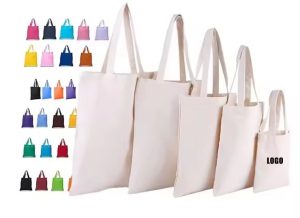
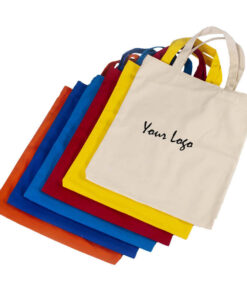
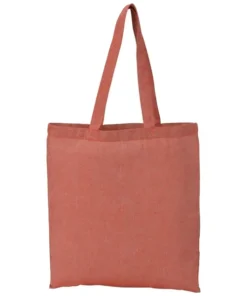
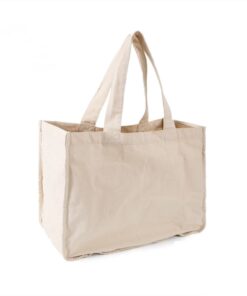
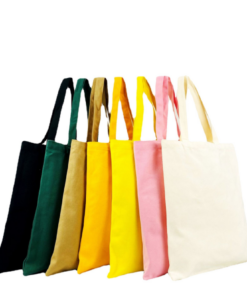
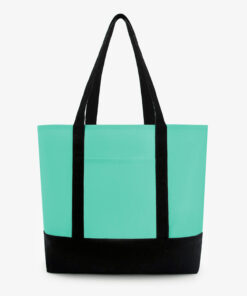
Go shopping at the grocery store with Lightweight Customized Logo Letter Printing Cotton Tote Bag Reusable Grocery Canvas Bags for DIY Advertising Promotional Daily!
- Made of 5.oz recycle and reusable cotton canvas.
- Long handle for easy-to-carry.
- Your full-color imprint will look amazing against the natural color of this bag!
Available in bulk, our recycled canvas tote bags are ideal for businesses, events, and organizations looking to promote their brand in an eco-friendly way. These versatile and stylish tote bags are perfect for distributing at promotional events, using as corporate gifts, or selling in retail. Order now to provide your customers with a practical, durable, and sustainable product that they can use all day, every day.
Product Specifications about Lightweight Customized Logo Letter Printing Cotton Tote Bag Reusable Grocery Canvas Bags for DIY Advertising Promotional Daily:
| Item | Lightweight Customized Logo Letter Printing Cotton Tote Bag Reusable Grocery Canvas Bags |
|---|---|
| Material | Cotton Canvas |
| Printing | Silk Screen/Heat Transfer/Digital/Embroidery |
| Größe | 14″*16″ |
| Color | CMYK or Pantone color available |
| MOQ | 500 – 1000pcs |
| Usage |
|
Frequently Asked Questions for Tote Bag:
What materials are tote bags usually made from?
Tragetaschen typically craft from a variety of materials, each serving unique purposes and settings. Common options include Baumwolle, canvas, and polyester, which offer a blend of durability and comfort. Additionally, jute, nylon, non-woven polypropylene, and woven polypropylene are popular for their strength and eco-friendliness. Specialized materials like RPET, linen, felt, and transparent plastics cater to specific brand styles or functional requirements, making them versatile choices for consumers seeking both practicality and aesthetics in tote bags.
What is the best material for an everyday tote bag?
For everyday use, cotton canvas stands out as an optimal tote bag material due to its impressive durability, structure, and comfort, along with excellent printability for personalized designs. Alternatively, polyester or nylon may be preferable when a lightweight, foldable design is essential, especially for bags that might encounter moisture. Ultimately, the best choice hinges on individual needs, including frequency of use and the types of items being carried, ensuring a practical balance between functionality and style.
Is canvas better than cotton for tote bags?
Canvas often considers superior to lightweight cotton for tote bags due to its sturdier and more durable nature, making it particularly well-suited for regular use and carrying heavier contents. While lightweight cotton offers softness and ease of folding at a lower price, canvas typically provides greater strength. Importantly, canvas is often made from cotton, meaning the distinction arises from variations in fabric construction and weight rather than entirely different materials. This aspect highlights the need for careful choice based on the intended use of the tote.
What is the most durable tote bag material?
The material deemed most durable for tote bags is not a one-size-fits-all answer, as it depends on specific fabric specifications and construction methods. Heavy canvas, laminated woven polypropylene, and robust polyester or nylon fabrics are all excellent contenders for their resilience. However, factors like handle attachment, reinforcements, and seam construction significantly contribute to overall durability. Therefore, thorough consideration of these elements is crucial when selecting a material that will withstand frequent use and heavy loads effectively.
Which tote bag material is waterproof?
When searching for tote bags that provide excellent moisture protection, materials such as laminated woven polypropylene, coated polyester, and PVC or TPU are ideal choices. These fabrics can offer reliable waterproof qualities when properly constructed. However, for a bag to be truly waterproof, features such as sealed seams and appropriate closures may also be necessary. In contrast, untreated materials like cotton, canvas, linen, and jute do not offer waterproof capabilities, limiting their use in wet conditions and making the selection of materials crucial for functionality.
What is the best tote bag material for printing?
Cotton canvas highly regard as one of the most suitable materials for printing tote bags, especially for screen printing and simpler branded designs due to its texture and absorption properties. Polyester offers great versatility for sublimation and full-color graphics when the fabric meets the specific requirements of the printing process. Laminated woven polypropylene can also support detailed, full-surface commercial printing. The best material choice ultimately depends on factors like artwork complexity, color requirements, production quantity, and desired finish, underscoring the importance of aligning material options with design intentions.
Is RPET better than ordinary polyester?
RPET and virgin polyester exhibit similar functional characteristics as both are primarily derived from PET. However, the key distinction lies in their source: RPET make from recycled materials, offering a more sustainable option. Actual performance, though, heavily depends on the processing of the fibers and the resulting fabric construction. When making claims about recycled content, it is crucial to have supporting documentation to validate the sustainability claims. This transparency helps consumers make informed choices about the environmental impacts of their tote bag materials.
How should I choose fabric weight for a tote bag?
To select the appropriate fabric weight for a tote bag, it’s imperative to consider several factors, including the intended contents, overall bag size, and the desired structure. Additionally, factors such as the frequency of use and target budget should shape the decision. Rather than defaulting to the highest GSM fabric, comparing physical samples of similar constructions allows for a more accurate choice. Ultimately, the best fabric weight will be confirmed through testing with a completed, loaded sample, providing insight into how well the material holds up under the expected conditions.
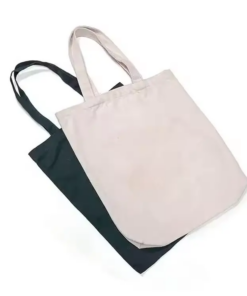


Bewertungen
Es gibt noch keine Bewertungen.