


The Role of Retail Bags in Branding: How Packaging Influences Consumer Perception?
When you walk out of a store carrying a beautifully designed bag with a recognizable logo, you’re not just holding a container for your purchases. You’re carrying a piece of marketing, a statement about the brand, and often, a reflection of your own taste and values. Retail bags have evolved far beyond their basic function of carrying products. Today, they serve as powerful branding tools that shape how customers perceive a company, influence their purchasing decisions, and determine whether they’ll return for another visit.
The humble shopping bag has become one of the most underestimated marketing assets in retail. Many business owners focus heavily on product quality and store layout while overlooking the significant impact that packaging design and material quality can have on their brand image. This oversight represents a missed opportunity, because the bag your customer carries home is often the last impression they have of your brand before they leave the store. It’s a tangible representation of your company’s values, quality standards, and attention to detail.
In this comprehensive guide, we’ll explore how retail bags influence consumer perception, examine the relationship between packaging design and brand loyalty, and analyze different materials used in retail packaging. Whether you’re running a small boutique or managing a large retail chain, understanding the power of retail bags will help you make informed decisions that strengthen your brand and deepen customer relationships.
The Psychology Behind Packaging Design:
Before we discuss specific design elements, it’s important to understand how our brains respond to packaging. Consumer psychology research has consistently shown that people make purchasing and loyalty decisions based on visual cues and tactile experiences. When a customer receives a well-designed bag made from quality materials, their brain registers this as a signal that the brand cares about details and values quality. Conversely, a flimsy, poorly designed bag sends the opposite message.
The moment a customer touches a retail bag, they’re gathering information about the brand. The weight of the bag, the texture of the material, the sturdiness of the handles, and the overall finish all contribute to their perception of quality. This sensory experience happens almost instantaneously and subconsciously. A customer might not be able to articulate why they feel more confident about a brand after receiving their purchase in a premium bag, but they’ll feel it nonetheless.
Colors, logos, and design patterns also play crucial roles in brand recognition and recall. Studies show that consistent branding across all customer touchpoints, including packaging, increases brand recognition by up to 80 percent. When customers see your distinctive bag design repeatedly, they begin to associate those visual elements with your brand, making it easier for them to remember you and recommend you to others.
How Retail Bags Impact Brand Image?
Your retail bag is essentially a walking advertisement. Every time a customer carries your branded bag through the street, they’re promoting your business to countless people who see them. This free marketing opportunity is one reason why major luxury brands invest heavily in distinctive, eye-catching bag designs. Think about how instantly recognizable certain designer bags are, even from a distance.
The quality of your retail bag directly communicates your brand’s positioning in the market. A luxury boutique cannot afford to package items in thin plastic bags because doing so would undermine the premium positioning they’ve worked hard to establish. Similarly, an eco-conscious brand that uses high-quality paper bags aligns their packaging with their values and appeals to environmentally aware consumers.
The design of your bag also tells a story about your brand’s personality. A minimalist design with simple typography suggests a modern, sophisticated brand. A colorful, playful design indicates a fun, creative company. Ornate, detailed designs suggest luxury and tradition. Your bag design should reflect your brand’s identity and values, creating a cohesive experience that reinforces your brand message every time someone interacts with it.
The Role of Retail Bags in Branding: – 1
1.The Connection Between Packaging Quality and Customer Loyalty:
Customer loyalty isn’t built on a single interaction. It’s developed through consistent, positive experiences that accumulate over time. Every detail matters, including your retail bags. When customers receive their purchases in a high-quality bag that feels substantial and looks attractive, they feel valued. This positive feeling contributes to their overall satisfaction with their purchase and their willingness to return.
Research in retail psychology shows that customers are willing to pay premium prices when they feel that a brand respects them and values their business. Quality packaging, including retail bags, is one of the most effective ways to communicate this respect. It tells customers that you care enough about them to invest in a better experience, not just a cheaper one.
Moreover, quality retail bags encourage customers to reuse them. When a bag is attractive and durable, customers use it for other purposes, which means your brand gets continuous visibility. Some customers specifically seek out retailers known for quality bags because they want to reuse them. This extended brand exposure creates multiple touchpoints with potential customers and reinforces loyalty with existing ones.
The Role of Retail Bags in Branding: – 2
2.Design Elements That Strengthen Brand Recognition
Beyond material choice, the design of your retail bag plays a crucial role in brand recognition and customer perception. Your logo should be prominently displayed but not overwhelming. The size and placement of your logo should be proportional to the bag size and should feel balanced with other design elements.
Color psychology is equally important. The colors you choose for your bag should align with your brand identity and appeal to your target audience. Research shows that consistent color use across all marca materials increases brand recognition by 80 percent. If your brand is known for a specific color, that color should appear on your retail bags.
Typography matters too. The fonts you use should be legible, professional, and consistent with your brand’s overall aesthetic. Including additional information such as your website, social media handles, or a tagline can transform your bag into a more effective marketing tool.
The overall design should feel intentional and thoughtful. Even small details like the quality of the printing, the placement of handles, and the finishing touches communicate something about your brand to customers.
The Role of Retail Bags in Branding: – 3
3.The Environmental Consideration and Modern Consumer Values
Today’s consumers increasingly care about environmental impact. A 2023 consumer survey found that 73 percent of global consumers would change their consumption habits to reduce environmental impact. This shift in consumer values has made sustainable packaging choices not just ethical but also smart business strategy.
Choosing eco-friendly materials for your retail bags can differentiate your brand, appeal to conscious consumers, and align your business with values that matter to your target audience. However, it’s important to be genuine about your environmental claims. Greenwashing—making false or exaggerated environmental claims—can damage your brand reputation more than using conventional materials honestly would.
4.Cost Considerations and Return on Investment
While premium materials and custom designs increase the cost per bag, the return on investment often justifies the expense. A high-quality bag that customers reuse provides extended brand visibility. A premium bag enhances the perceived value of your products, potentially allowing you to maintain higher prices. A distinctive bag design increases brand recognition, which drives repeat business and customer referrals.
When calculating the cost of your retail bags, consider the full picture. Yes, a luxury cotton bag costs more per unit than a plastic bag, but it also generates more brand value, encourages customer loyalty, and creates additional marketing exposure every time it’s used.
Analyzing Different Retail Bag Materials: – 1
The material you choose for your retail bags is one of the most important decisions you’ll make regarding your packaging strategy. Different materials offer different benefits and drawbacks, and your choice should align with your brand positioning, target audience, and values.
1.Paper Bags: The Versatile Choice
Paper bags remain one of the most popular options for retail packaging. They’re relatively affordable, can be easily customized with logos and designs, and are recyclable. Paper bags work well for a wide range of retail environments, from tiendas de comestibles to boutiques. The main advantage is their versatility and the ability to communicate an eco-friendly image. However, they may not be ideal for heavy items or wet environments.
2.Plastic Bags: The Practical Option
Plastic bags offer excellent durability and water resistance, making them suitable for various products and weather conditions. They’re lightweight and cost-effective, which is why they’re still widely used in retail. However, plastic bags have fallen out of favor with environmentally conscious consumers, and many cities have implemented bans or surcharges on single-use plastics. If you choose plastic, consider using recycled materials or thicker, reusable plastic bags.
Analyzing Different Retail Bag Materials: – 2
3.Non-Woven Polypropylene: The Modern Standard
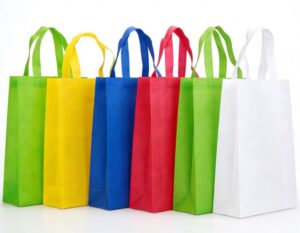
Non-woven polypropylene bags have become increasingly popular because they offer a middle ground between paper and plastic. They’re durable, reusable, and have a more premium feel than standard plastic bags. They can be produced in various colors and designs and are often perceived as more environmentally friendly than single-use plastics.
4.Cotton and Canvas: The Premium Choice
Cotton and canvas bags represent the luxury end of the retail bag spectrum. They’re durable, attractive, and highly reusable, making them ideal for premium brands. The downside is cost—these bags are significantly more expensive than other options. However, for luxury retailers, the investment in quality cotton or canvas bags pays dividends in brand perception.
5.Kraft Paper: The Eco-Conscious Option
Kraft paper bags have gained popularity among brands that want to emphasize sustainability. They’re made from recycled materials, are fully biodegradable, and have a natural, rustic aesthetic that appeals to eco-conscious consumers. They work particularly well for organic, natural, and artisanal brands.
Material Comparison Table:
Here’s a detailed comparison of different retail bag materials to help you make an informed decision:
| Material | Cost | Durabilidad | Reutilización | Environmental Impact | Premium Feel | Personalización | Best For |
|---|---|---|---|---|---|---|---|
| Standard Plastic | Very Low | Moderate | Low | Very High Negative | Low | Moderate | Budget Retailers, Grocery Stores |
| Paper Bags | Low | Low-Moderate | Low | Low Negative | Moderate | High | General Retail, Boutiques |
| Non-Woven Polypropylene | Low-Moderate | High | High | Moderate Negative | Moderate | High | Modern Retailers, Eco-Conscious Brands |
| Kraft Paper | Moderate | Moderate | Moderate | Very Low Negative | Moderate-High | High | Organic Brands, Sustainable Companies |
| Cotton/Canvas | High | Very High | Very High | Low Negative | Very High | High | Luxury Brands, Premium Retailers |
| Recycled Plastic | Moderate | High | High | Low Negative | Moderate | Moderate | Eco-Conscious Retailers |
| Laminated Paper | Moderate | High | Low | Moderate Negative | High | Very High | Fashion, Luxury Goods |
Conclusión:
Retail bags are far more than functional containers. They’re powerful branding tools that influence how customers perceive your company, determine their loyalty, and shape their willingness to recommend you to others. The design and material quality of your bags communicate your brand’s values, positioning, and commitment to quality.
By carefully considering your material choices, investing in thoughtful design, and aligning your envasado with your brand identity, you can transform something as simple as a shopping bag into a strategic asset that strengthens your brand and deepens customer relationships.
Whether you choose sustainable kraft paper, durable non-woven polypropylene, or premium cotton, make sure your choice reflects your brand’s values and appeals to your target audience.
The next time you’re tempted to cut costs on packaging, remember that your retail bag is often the last impression customers have of your brand. Make it count.
FAQs About The Role of Retail Bags in Branding: – 1
1.Why is the retail bag important for brand identity?
Retail bags serve as a mobile advertisement for your business. They carry your logo, colors, and design elements that communicate your brand’s personality. When customers carry your bag, they’re showcasing your brand to others, increasing recognition and reinforcing your identity. A well-designed bag can create a positive emotional connection with customers, making them more likely to remember and return to your store.
2.How does the quality of a retail bag affect customer loyalty?
Quality retail bags make customers feel valued and respected. When customers receive their purchases in a sturdy, attractive bag, it enhances their overall experience with your brand. This positive impression encourages repeat visits and fosters loyalty over time. Additionally, high-quality bags are often reused, extending your brand’s visibility and reinforcing the relationship with customers.
3.What are the most environmentally friendly materials for retail bags?
Materials like kraft paper, recycled paper, recycled plastics, and natural fabrics such as cotton or canvas are generally considered more environmentally friendly. These materials are biodegradable or reusable, reducing waste and pollution. Choosing eco-friendly bags aligns your brand with sustainability values, which can attract environmentally conscious consumers.
FAQs About The Role of Retail Bags in Branding: – 2
4.Are reusable bags more effective for branding than single-use bags?
Yes, reusable bags tend to be more effective because they provide ongoing exposure for your brand. Customers who reuse your bag will show your logo to new potential customers multiple times, far beyond the initial purchase. Reusable bags also communicate a commitment to sustainability, which can enhance your brand image.
5.Can retail bag design influence purchasing decisions?
Absolutely. Packaging design influences first impressions and perceptions of product quality. An attractive, well-designed bag can create excitement and reinforce the idea that the product inside is valuable. This emotional response can encourage purchases and increase customer satisfaction.
6.How often should a business update its retail bag design?
It depends on your brand strategy and market trends. Many brands update their packaging every few years to stay fresh and relevant. However, maintaining consistent elements like logo, colors, and typography is important to ensure brand recognition. If your brand undergoes a rebranding or changes its positioning, updating your retail bags should be part of that process.
FAQs About The Role of Retail Bags in Branding: – 3
7.What role does color play in retail bag design?
Color has a strong psychological impact and helps with brand recognition. Consistent use of brand colors on retail bags makes your brand easy to identify and recall. Colors also evoke emotions; for example, green often suggests eco-friendliness, while black can represent luxury. Choosing the right colors helps set customer expectations about your brand.
8.Is it worth investing in premium retail bags for smaller businesses?
Yes. Even small businesses can benefit from investing in quality packaging because it differentiates their brand and creates a memorable customer experience. Premium bags can make customers feel appreciated and more likely to return or recommend your business. The key is choosing materials and designs that align with your budget and brand values.
9.How can businesses balance cost with quality in choosing retail bags?
Start by identifying what aspects matter most to your brand—durability, environmental impact, appearance—and prioritize those in your selection. Sometimes, a slightly higher cost per bag is offset by increased customer loyalty and marketing value. Consider bulk ordering or partnering with suppliers who offer customized solutions at reasonable prices.
10.How do cultural differences impact retail bag preferences?
Cultural preferences can influence consumer expectations about packaging materials and designs. For instance, some cultures may prioritize eco-friendly packaging more strongly, while others may value luxury or traditional aesthetics. Understanding your target market’s values helps tailor your retail bags to resonate better with local customers2