


¿Qué métodos de impresión funcionan mejor en el tejido no tejido (serigrafía, prensa térmica o sublimación)? ¿Cuál es el método más adecuado para tus necesidades?
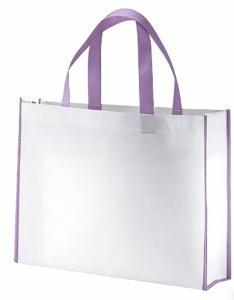
When you’re looking to create productos de marca, artículos promocionales, or custom apparel, non-woven fabric has become an increasingly popular choice. It’s affordable, durable, and versatile. But here’s the challenge many people face: figuring out which printing method actually works best on this unique material.
In this guide, we’re going to walk through the three most popular printing techniques—screen printing, heat press, and sublimation—so you can make an informed decision for your project.
Comprender los tejidos no tejidos y sus propiedades:
Before we compare printing methods, it’s important to understand what makes non-woven fabric different from traditional woven textiles. Non-woven fabric is manufactured by bonding or interlocking fibers together using mechanical, thermal, or chemical processes rather than weaving or knitting. This gives it distinct characteristics that directly impact how inks and designs adhere to the surface.
Non-woven fabrics are commonly used for bolsas de la compra, bolsas, aprons, uniforms, and other promotional items. They’re popular because they’re lightweight, cost-effective, and can be produced quickly. However, their texture and composition mean that not every printing method works equally well. The fibers in non-woven material are often looser and more porous than traditional fabric, which means some inks penetrate differently, and some methods may not provide the durability you’re looking for.
What printing methods work best on non-woven fabric (screen printing vs. heat press vs. sublimation): – 1
1.Screen Printing on Non-Woven Fabric: The Traditional Approach
Screen printing is one of the oldest and most established printing methods in the industry. It involves pushing ink through a mesh screen onto the fabric surface. For non-woven materials, screen printing can be effective, but it comes with specific considerations.
When you use screen printing on non-woven fabric, the ink sits more on the surface rather than penetrating deeply into the fibers. This happens because non-woven materials have a different structure than traditional cotton or polyester blends. The porous nature of non-woven fabric means the ink can sometimes bleed slightly at the edges, creating a less sharp image than you might get on traditional fabric.
The advantages of screen printing on non-woven include excellent color vibrancy, the ability to use specialty inks, and the capacity to print multiple colors with high opacity. It’s also cost-effective when you’re doing large runs because the per-unit cost decreases significantly with volume. If you’re printing 500 or more items, screen printing becomes increasingly economical.
However, screen printing on non-woven does have limitations. The setup costs are higher due to screen creation, so small orders become expensive on a per-item basis. Additionally, fine details and photographic images don’t reproduce as well compared to other methods. The ink can also take longer to cure on non-woven material, and durability can be a concern if the fabric experiences frequent washing or heavy use.
What printing methods work best on non-woven fabric (screen printing vs. heat press vs. sublimation): – 2
2.Heat Press Printing: Direct and Efficient
Heat press printing, also known as heat transfer printing, works by applying heat and pressure to transfer a design from a carrier sheet onto the fabric. This method has gained significant traction in recent years, particularly for small to medium-sized runs.
For non-woven fabric, heat press printing offers some real advantages. The heat helps the ink bond more effectively with the non-woven fibers compared to screen printing. You get crisp, detailed images with excellent color reproduction, even with photographic designs. The setup is minimal—you just need your transfer and a heat press machine—making it ideal for custom orders and smaller quantities.
The process is straightforward: you print your design onto transfer paper using a standard inkjet printer, place it on the non-woven fabric, and apply heat and pressure for a specific duration. The design transfers permanently onto the fabric surface. This method is perfect for one-off projects, personalized items, or small batches.
The main drawback is that heat transfers can sometimes feel slightly stiff compared to screen-printed designs, and they may not last as long through repeated washing. The quality also depends heavily on the transfer paper and ink quality you use. Additionally, heat press printing isn’t ideal for large runs because the cost per unit remains relatively constant regardless of quantity, making it less economical than screen printing for bulk orders.
What printing methods work best on non-woven fabric (screen printing vs. heat press vs. sublimation): – 3
3.Sublimation Printing: The Digital Solution
Sublimation printing is a digital method that uses heat to turn solid dye into gas, which then bonds with polyester fibers. This is where non-woven fabric’s composition becomes crucial—sublimation works best on polyester or polyester-blend non-woven materials.
With sublimation, you get photographic-quality images with unlimited color options. There’s no setup cost beyond the sublimation printer itself, and you can print one item or one thousand without changing anything. The colors are vibrant, and the design becomes part of the fabric rather than sitting on top of it, creating exceptional durability and a soft hand feel.
The process involves printing your design onto special sublimation paper using a sublimation printer, placing it on the non-woven fabric, and applying heat and pressure. The dye converts to gas and permanently bonds with the polyester fibers, creating a design that won’t crack, peel, or fade easily.
However, sublimation has significant limitations for non-woven fabric. Most importantly, it only works on polyester or polyester-blend materials. If your non-woven is made from polypropylene or other synthetic fibers, sublimation won’t work. Additionally, sublimation printers and supplies are expensive, making this method most practical for businesses planning to do this regularly. You also can’t sublimate on dark fabrics effectively because the dye won’t show up properly.
Comparing the Three Methods: A Practical Comparison Table
Here’s a detailed comparison of how these three printing methods stack up against each other when working with non-woven fabric:
| Factor | Screen Printing | Heat Press | Sublimation |
|---|---|---|---|
| Image Quality | Good for solid colors and bold designs | Excellent for detailed images | Photographic quality |
| Color Options | Limited by number of screens | Unlimited colors per item | Unlimited colors per item |
| Setup Cost | High ($150-400 per color) | Low ($0-50) | Very High ($3,000+) |
| Cost Per Unit (100 items) | $2-5 | $3-8 | $2-4 |
| Cost Per Unit (1,000 items) | $0.50-2 | $3-8 | $2-4 |
| Durabilidad | Good (3-5 years with care) | Good (2-4 years with care) | Excellent (5+ years) |
| Wash Fastness | Bien | Fair to Good | Excelente |
| Setup Time | 1-2 days | 30 minutes | 30 minutes |
| Best For | Large runs, bold logos | Custom orders, small runs | High-volume custom printing |
| Fabric Requirements | Works on most non-woven | Works on most non-woven | Polyester only |
| Learning Curve | Moderado | Fácil | Moderado |
| Color on Dark Fabric | Excelente | Excelente | Pobre |
| Minimum Order | 50-100 units | 1 unit | 1 unit |
| Impacto medioambiental | Moderate (water usage) | Bajo | Bajo |
| Equipment Cost | $5,000-15,000 | $1,500-5,000 | $3,000-8,000 |
Making Your Decision: Which Method Is Right for You?
Choosing the right printing method depends on several factors specific to your situation. Let’s break down when each method makes the most sense.
Choose screen printing if you’re planning to print large quantities of the same design, your non-woven material is polypropylene or another non-polyester fiber, you want the lowest possible cost per unit for bulk orders, or you need maximum durability for items that will see heavy use. Screen printing is the traditional choice for a reason—it delivers consistent results at scale.
Choose heat press printing if you’re doing small to medium runs, you need quick turnaround times, you want to offer personalization options, your designs include photographic elements, or you’re just starting out and want to keep equipment costs low. Heat press printing is flexible and forgiving, making it perfect for businesses testing the market.
Choose sublimation printing if your non-woven fabric is polyester or polyester-blend, you’re printing high volumes of custom designs, you want photographic quality output, you’re planning to make this a regular part of your business, or durability is your top priority. Sublimation is the premium option for the best-looking results.
Practical Tips for Success with Non-Woven Fabric:
Regardless of which method you choose, certain practices will improve your results. First, always test your chosen method on a sample piece before committing to a full run. Non-woven fabric can vary significantly between manufacturers, and what works perfectly on one type might not work as well on another.
Second, ensure your non-woven fabric is clean and free from dust or debris before printing. Any particles can interfere with ink transfer or adhesion. Third, pay attention to temperature and pressure settings—non-woven fabric is more delicate than traditional textiles and can melt or warp if exposed to excessive heat. Fourth, allow proper curing time before handling finished items, even if the fabric feels dry to the touch.
Finally, consider the end use of your product. If it’s a promotional bag that will be handled frequently, durability matters more and you might choose screen printing or sublimation. If it’s a one-time regalo personalizado, heat press offers the best value.
Conclusión:
The best printing method for non-woven fabric isn’t universally the same—it depends on your specific needs, budget, and production volume. Screen printing excels at large-scale production with excellent durability. Heat press printing offers flexibility and quick turnaround for custom orders. Sublimation delivers the highest quality images with superior longevity, provided you’re working with polyester-based non-woven fabric.
Start by evaluating your typical order sizes, your budget for equipment and setup, and the quality level your customers expect. Run tests with each method if possible.
Most importantly, don’t assume that what works for traditional fabric will automatically work for non-woven materials. This unique fabric type deserves thoughtful consideration and the right printing method to match your business goals.
FAQs about What printing methods work best on non-woven fabric (screen printing vs. heat press vs. sublimation): – 1
1.Can I use any type of non-woven fabric for sublimation printing?
No, sublimation printing only works effectively on non-woven fabrics that contain polyester or polyester blends. Non-woven fabrics made from polypropylene or other synthetic fibers will not absorb the sublimation dye properly, resulting in poor image quality or no transfer at all.
2.Is screen printing suitable for small orders on non-woven fabric?
Screen printing can be used for small orders, but it is generally not cost-effective because of the setup costs involved with creating screens for each color. If your order is fewer than 50-100 units, other methods like heat press might be more economical and efficient.
3.How long does a screen-printed design last on non-woven fabric?
Screen-printed designs on non-woven fabric typically last between 3 to 5 years with proper care. The durability depends on factors such as the quality of ink used, curing process, and how frequently the item is washed or handled.
FAQs about What printing methods work best on non-woven fabric (screen printing vs. heat press vs. sublimation): – 2
4.Will heat press transfers feel stiff on non-woven materials?
Yes, heat press transfers can sometimes feel stiffer compared to screen-printed designs because the transfer film sits on top of the fabric surface. However, advances in transfer materials have improved softness and flexibility in recent years.
5.Can I print full-color photographic images on non-woven fabric using screen printing?
Screen printing is not ideal for detailed photographic images because it relies on separate color layers and screens. For full-color photos or complex gradients, heat press or sublimation printing methods are more suitable.
6.Are there environmental concerns associated with these printing methods?
Screen printing traditionally uses water-based or plastisol inks, which may involve water consumption and chemical waste if not managed properly. Heat press and sublimation printing tend to have a lower environmental impact since they use less water and produce minimal waste, especially when using eco-friendly inks and papers.
Preguntas frecuentes: – 3
7.What is the fastest method to produce printed non-woven items?
Heat press printing generally offers the fastest turnaround, particularly for small to medium runs. It requires minimal setup time and can produce finished products within minutes once the design and materials are ready.
8.How do I care for printed non-woven fabric items?
Non-woven fabric items with printed designs should be handled gently. Avoid machine washing or drying unless specified by the manufacturer. Spot cleaning with mild detergents and air drying helps maintain the print quality longer.
9.Can I mix different printing methods on one batch of non-woven products?
While it’s technically possible, mixing printing methods within one production batch is uncommon because each method has different ink types, curing processes, and equipment requirements. Consistency in appearance and durability is better maintained when using a single printing method per batch.
10.Is it possible to print on dark-colored non-woven fabric?
Screen printing and heat press methods can print on dark non-woven fabrics by using opaque inks or white underbase layers. Sublimation printing, however, is generally not effective on dark fabrics since the dye relies on light backgrounds to show up correctly.