


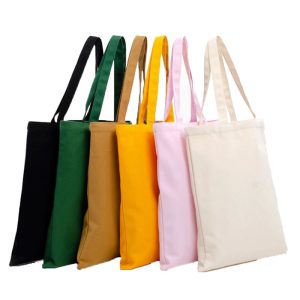
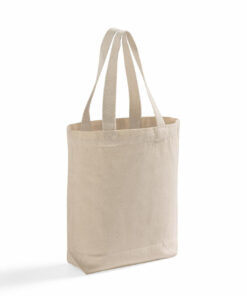
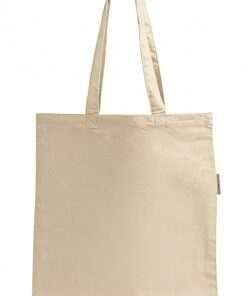
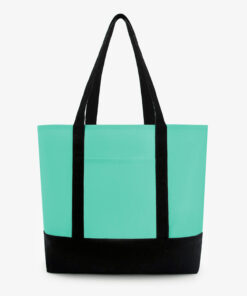
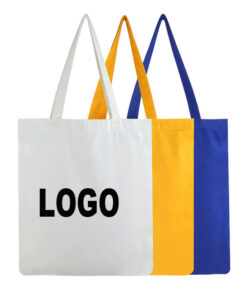
Our Factory Hot Sell Custom Printed Lunch Beach Shopping Grocery Storage Large Capacity Canvas Cotton Tote Bag is durable yet stylish solution for any of your clients’ needs!
- Fabricado con algodón orgánico de alta calidad de 10 oz
- Permite transportar varios artículos gracias a sus amplios refuerzos laterales
- Disponibilidad de asas de cuerda en dos atractivos diseños
- Incorporación de elegantes ojales plateados que sujetan las asas
- Opción de añadir colores adicionales al logotipo a precios muy bajos
- Posibilidad de imprimir logotipos en la parte delantera y trasera
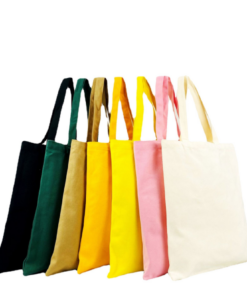
Tote bag is an essential part of every woman’s wardrobe. From roomy family-sized bags to inexpensive bolsas for everyday use, these handy bags are always at hand and a savior.At WWBAGS, podrás encontrar bolsos de tela promocionales en varios colores que combinan con cualquier conjunto de playa al precio más asequible.
Product Specifications about Factory Hot Sell Custom Printed Lunch Beach Shopping Grocery Storage Large Capacity Canvas Cotton Tote Bag:
| Artículo | Factory Hot Sell Custom Printed Large Capacity Canvas Cotton Tote Bag |
|---|---|
| Material | Cotton Canvas |
| Impresión | Silk Screen/Heat Transfer/Digital/Embroidery |
| Talla | 14″*16″ |
| Color | CMYK or Pantone color available |
| MOQ | 500 – 1000pcs |
| Uso |
The Process of Creating Recycled Cotton and Organic Cotton:
Recycled cotton and organic cotton originate from fundamentally different sources, and this distinction is significant.
Organic Cotton:
Organic cotton cultivates from the ground up, typically using non-GMO seeds and natural farming practices. It grow without synthetic pesticides, herbicides, or chemical fertilizers. This farming method not only fosters healthier ecosystems but also tends to improve working conditions for farmers.
Certifications such as GOTS (Global Organic Textile Standard) and OCS (Organic Content Standard) often validate its organic status, ensuring adherence to strict environmental and social guidelines.
Recycled Cotton:
In contrast, recycled cotton bypasses the agricultural stage entirely. It manufacture from textile waste, which can include post-industrial fabric scraps or post-consumer garments like old T-shirts. These discarded materials sorte by color, mechanically processed (generally without chemicals), and then re-spin into new yarn.
One notable advantage of recycled cotton is that it doesn’t require land, irrigation, or new dyes. However, a drawback is that the recycling process can weaken the cotton fibers over time, making it less suitable for certain applications.
When selecting the right cotton option for your brand, understanding the fiber’s origins provides valuable insight into what you are truly supporting. Whether your focus is on environmental sustainability, ethical treatment of workers, or waste reduction, the choice between organic and recycled cotton is a crucial one.



Valoraciones
No hay valoraciones aún.