


Farmers’ Markets and Local Food Brands: Why Tote Bags Are Your Best Marketing Tool?
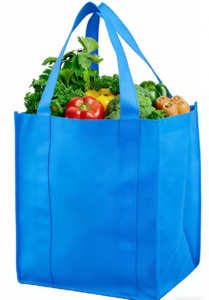
Walk through any farmers’ market on a Saturday morning, and you’ll notice something interesting. Among the bustling crowds of shoppers filling their baskets with fresh produce, artisan breads, and homemade jams, there’s a sea of tote bags. Some are plain canvas, others feature colorful designs, and many display the names and logos of local food brands. This simple observation points to something powerful that many small food businesses are just beginning to understand: tote bags aren’t just practical carrying solutions—they’re one of the most effective marketing tools available to local food brands.
For farmers’ market vendors and small food producers, the challenge of building brand awareness on a tight budget is real. Traditional advertising channels like billboards and television spots are out of reach for most small operations. Social media helps, but it’s becoming increasingly crowded and expensive. Meanwhile, tote bags sit quietly in the corner of your marketing strategy, working harder and delivering better results than many flashy campaigns that cost ten times as much.
The magic of tote bags lies in their intersection of practicality, visibility, and community alignment. They’re not just merchandise—they’re walking billboards that customers actually want to carry.
Let’s explore why tote bags have become such a valuable asset for local food brands and how you can leverage them to grow your business.
Why Tote Bags are Best Marketing Tool for Farmers’ Markets and Local Food Brands: – 1
1.The Natural Brand Alignment That Matters
Local food brands exist in a space where values matter deeply. Customers who shop at farmers’ markets aren’t just buying food—they’re making a statement about how they want to live. They care about sustainability, supporting local economies, and knowing where their food comes from. This mindset creates a perfect opportunity for tote bag marketing because tote bags themselves represent these same values.
When you give customers a reusable tote bag instead of plastic, you’re reinforcing your brand’s commitment to the environment. You’re showing that you’re not just selling a product; you’re part of a movement toward more sustainable living. This alignment between your brand values and the product you’re promoting creates an authentic connection that resonates with your target audience.
Think about the customer experience. Someone visits your farmers’ market stand, purchases some fresh vegetables or a jar of your homemade salsa, and you hand them a sturdy canvas tote bag with your logo on it. In that moment, you’re not just solving a practical problem—you’re making a statement. The customer walks away feeling good about their purchase and good about your brand. That positive association sticks with them.
This natural alignment also means that customers feel less like they’re being sold to. A tote bag doesn’t feel like an aggressive marketing tactic. It feels like a useful gift that happens to have your brand name on it. This subtle approach builds trust and goodwill in ways that more obvious advertising simply cannot match.
Why Tote Bags are Best Marketing Tool for Farmers’ Markets and Local Food Brands: – 2
2.Daily Reuse: Your Logo Gets Seen Constantly
Here’s where the math of tote bag marketing becomes really compelling. A customer receives a tote bag from your farmers’ market stand. They use it to carry groceries from their car into the house. They use it again the next week at the farmers’ market. They bring it to l'épicerie, the library, and their kids’ school. They pack it for voyages à la plage et pique-niques. Over the course of a year, that single tote bag might be seen by hundreds of people in various contexts.
Compare this to a business card that gets glanced at once and then forgotten, or a flyer that ends up in the recycling bin. A tote bag has genuine staying power. It’s not something people throw away after a single use. Quality tote bags can last for years, meaning your brand gets exposure long after the initial purchase or giveaway.
The visibility compounds when you consider the environments where tote bags appear.
A customer carrying your tote bag at the farmers’ market is surrounded by other potential customers. They’re in a context where people are already thinking about food and local brands. That visibility is incredibly valuable because it reaches people at the exact moment they’re most receptive to your message.
Beyond the farmers’ market, your tote bags travel into neighborhoods and communities where you might not have any physical presence.
Someone carrying your branded tote at the grocery store or on the street is essentially doing your marketing work for free. They’re introducing your brand to people who might never have visited your farmers’ market stand otherwise. This word-of-mouth amplification through physical visibility is something that digital marketing struggles to replicate effectively.
Why Tote Bags are Best Marketing Tool for Farmers’ Markets and Local Food Brands: – 3
3.Community Visibility and Brand Recognition
Local food brands thrive on community connection, and tote bags serve as visible symbols of that connection.
When multiple customers carry the same branded tote bag around town, it creates a sense of community ownership. People notice patterns. They see your tote bag appearing in their neighborhood repeatedly, and it registers. This repeated exposure builds familiarity, and familiarity builds trust.
There’s also a social element at work. When someone carries a branded tote bag, they’re making a public choice to represent your brand. This happens most obviously at farmers’ markets, where customers are surrounded by peers who share similar values. If your tote bag design is appealing and aligns with the aesthetic that farmers’ market shoppers appreciate, it becomes something people actually want to carry. It becomes a small badge of identity that says, “I support local food brands. I care about quality and sustainability.”
This kind of organic brand visibility is incredibly cost-effective. You’re not paying for ad space or influencer partnerships. You’re simply providing something useful that customers want to use repeatedly. The marketing happens naturally as a byproduct of the product’s utility.
Consider also the role that tote bags play in creating a cohesive brand experience. When customers receive a well-designed tote bag with your logo, colors, and messaging, they’re getting a physical representation of your brand identity. This tangible item reinforces your brand in ways that digital touchpoints cannot. They can hold it, feel the quality of the material, and see your design choices up close. This sensory experience creates a stronger memory and connection than a digital ad ever could.
Why Tote Bags are Best Marketing Tool for Farmers’ Markets and Local Food Brands: – 4
4.The Perfect Niche Fit for Farmers’ Markets
Farmers’ markets are the ideal setting for tote bag marketing, and understanding why helps explain the strategy’s success. Farmers’ market shoppers are already in a mindset of making intentional purchases. They’ve taken time out of their weekend to visit the market specifically because they care about quality and supporting local businesses. This audience is predisposed to appreciate and use a branded tote bag.
The physical nature of farmers’ markets also makes tote bags particularly practical. Customers are carrying multiple items from different vendors, and a sturdy tote bag solves a real problem. When you offer a solution to an immediate need while also promoting your brand, you’re creating a win-win situation. The customer gets something useful, and you get extended brand visibility.
Additionally, farmers’ markets have a limited footprint. You’re operating in a concentrated space where word spreads quickly. If your tote bags are attractive and high-quality, people notice. Other vendors notice. Other customers notice. The market becomes a showcase for your brand, and tote bags serve as tangible proof that your business is professional and thoughtful.
The seasonal nature of many farmers’ markets also plays into tote bag strategy. Many markets operate only during certain months, and tote bags serve as year-round reminders of the brands customers met during market season. Someone carries your tote bag through the winter months, and when spring arrives and the farmers’ market reopens, they’re already thinking about your brand. They’re more likely to visit your stand again.
Why Tote Bags are Best Marketing Tool for Farmers’ Markets and Local Food Brands: – 5
5.Building Customer Loyalty Through Practical Gifts
Loyalty in the food business is built through repeated positive experiences. Tote bags contribute to this by creating a positive association with your brand every time they’re used. Unlike a one-time purchase that’s consumed and forgotten, a tote bag is a lasting gift that keeps your brand present in customers’ lives.
When you give a customer a quality tote bag, you’re showing that you value them beyond a single transaction. You’re investing in their experience with your brand. This generosity builds goodwill and encourages repeat visits. Customers feel appreciated, and appreciated customers become loyal customers.
The quality of the tote bag matters significantly here. A flimsy bag that falls apart after a few uses damages your brand reputation. A sturdy, well-made bag becomes a trusted companion in customers’ lives, and that positive experience reflects back on your brand. Every time someone reaches for your tote bag, they’re reminded that you care about quality—not just in your food products, but in everything you do.
Why Tote Bags are Best Marketing Tool for Farmers’ Markets and Local Food Brands: – 6
6.Cost-Effectiveness Compared to Other Marketing Channels
For small food brands operating on limited marketing budgets, the return on investment for tote bags is exceptional. A quality branded tote bag typically costs between two and five dollars to produce, depending on the material and complexity of the design. Compare this to other marketing expenses: Facebook ads, Instagram sponsored posts, local newspaper advertisements, and other traditional channels often cost significantly more and reach a less targeted audience.
When you give a tote bag to a customer at a farmers’ market, you’re investing a small amount of money in someone who has already demonstrated interest in your brand by making a purchase. That’s a highly efficient use of marketing dollars. The customer is likely to use the bag repeatedly, providing ongoing visibility that justifies the initial investment many times over.
The long-term nature of tote bag visibility also makes it more cost-effective than one-time advertising. A Facebook ad runs for a few days or weeks and then disappears. A tote bag keeps working for you for years. When you divide the cost of the tote bag by the number of times it’s used and the number of people who see it, the cost per impression becomes remarkably low.
Designing Tote Bags That Customers Actually Want to Carry:
Not all tote bags are created equal. If you’re going to invest in this marketing tool, your design needs to be appealing enough that customers actually want to carry the bag. This means thinking carefully about aesthetics, color, and messaging.
Your tote bag design should reflect your brand identity while also appealing to the values and tastes of farmers’ market shoppers.
Most of this audience appreciates natural, earthy aesthetics. Colors like cream, sage green, rust, and charcoal tend to work well. Your design should be clean and professional without being sterile. Include your brand name clearly, but also consider adding a small design element or illustration that makes the bag visually interesting.
The quality of the bag itself matters too.
Customers can feel the difference between thin, cheap canvas and sturdy, well-constructed material. Investing in quality bags sends a message about your brand. It says that you stand behind your products and care about customer experience.
Creating a Memorable Unboxing Experience:
The moment when a customer receives a tote bag from your stand is an opportunity to create a memorable brand experience.
The way you present the bag matters.
If you simply hand it over without comment, it’s just a practical item. If you hand it over with a smile and say something like, “Here’s a tote bag to carry your purchases—we hope you’ll use it at the farmers’ market every week,” you’re creating a moment of connection.
Some vendors wrap their tote bags nicely or include them in a branded paper bag.
Others use the tote bag as an opportunity to include a business card or recipe card with the customer’s purchase. These small touches transform a simple giveaway into a memorable experience that reinforces your brand’s attention to detail and customer care.
Conclusion :
Tote bags represent a marketing opportunity that’s often overlooked by small food brands, but the evidence is clear: they work. They align perfectly with your brand values, they get used constantly, they build community visibility, and they’re remarkably cost-effective. For farmers’ market vendors and local food producers, tote bags check every box for an effective marketing tool.
The investment is minimal, but the returns are substantial. Every time someone carries your tote bag, they’re promoting your brand. Every time they use it at the farmers’ market, they’re reinforcing their connection to your business. Every time someone asks them about the bag, they’re telling your story to a new potential customer.
If you haven’t already incorporated branded tote bags into your farmers’ market strategy, now is the time to start. Choose quality materials, design something beautiful that reflects your brand, and watch as your logo starts appearing throughout your community. Your best marketing tool might just be something as simple and practical as a tote bag.
FAQs: – 1
1.Why are tote bags better than other promotional items for local food brands?
Tote bags stand out because they combine practicality with ongoing brand visibility. Unlike items that get discarded or forgotten, tote bags are reused regularly, especially by shoppers at farmers’ markets. This repeated use means your brand message reaches a wider audience over a longer period, making tote bags a more efficient and lasting marketing investment.
2.How can small brands afford to produce quality tote bags?
While high-quality tote bags do require an upfront investment, many suppliers offer affordable options tailored for small businesses. Ordering in moderate quantities can reduce costs per bag, and considering the long-term marketing benefits, the expense is often justified. Additionally, partnering with local printers or artisans can sometimes lead to better pricing and support local economies simultaneously.
3.What design elements should I prioritize on my tote bag?
Your design should clearly feature your brand name or logo to ensure recognition. Choose colors and imagery that reflect your brand’s personality and values—natural tones and simple, clean designs often resonate well with farmers’ market shoppers. Avoid cluttering the bag with too much text or complicated graphics; simplicity often makes the biggest visual impact.
FAQs: – 2
4.How do I encourage customers to use the tote bag regularly?
Make sure the tote bag is durable and spacious enough to carry typical farmers’ market purchases. Offering bags that are comfortable to carry and visually appealing increases the likelihood customers will reach for them repeatedly. You can also remind customers of the environmental benefits of using reusable bags, reinforcing the positive impact of their choice.
5.Can tote bags help build customer loyalty beyond marketing exposure?
Absolutely. Giving customers a high-quality tote bag communicates that you value them and care about their experience. This generosity builds goodwill and strengthens emotional connections, making customers more likely to return to your stand or seek out your brand later.
6.How do I distribute tote bags without cutting into my profits?
Many vendors offer tote bags as a gift with purchase once customers reach a certain spending threshold. Others sell them at cost or a small markup. Some even include the cost in product pricing subtly. Finding the right balance depends on your business model, but the key is that tote bags should feel like value rather than an extra expense to your customers.
FAQs: – 3
7.What are some creative ways to use tote bags for promotions at farmers’ markets?
Consider pairing tote bags with recipe cards featuring your products or seasonal produce tips. You could also run limited-time offers where customers who bring their branded tote back receive discounts or free samples. Hosting social media contests encouraging customers to share photos of themselves with your tote bag can also increase engagement and spread awareness.
8.Are there environmental considerations I should be aware of when choosing tote bags?
Yes. Opt for materials that are sustainably sourced and biodegradable when possible, such as organic cotton or recycled fibers. Avoid synthetic materials that contribute to pollution. Showing environmental responsibility through both your products and promotional items like tote bags strengthens your brand’s credibility among eco-conscious consumers.
9.Can tote bags be used effectively outside of farmers’ markets?
Definitely. Customers carry tote bags to grocery stores, community events, schools, and more. This extends your brand’s reach beyond the farmers’ market itself and introduces your business to new potential customers in everyday settings.
10.How do I measure the success of using tote bags as a marketing tool?
Track repeat customer visits and sales after distributing tote bags, gather customer feedback during interactions, and monitor social media mentions or photos featuring your branded bags. While it can be challenging to measure direct sales impact precisely, increased brand recognition and community visibility are strong indicators of success.