


Why Retailers Are Switching from Plastic to Non-Woven Shopping Bags:A Comprehensive Guide to Sustainable Alternatives!
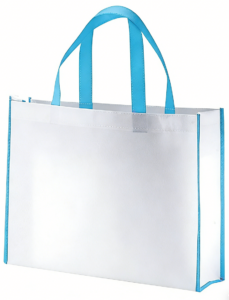
The shopping bag has become one of the most visible symbols of our consumption habits. For decades, plastic bags dominated retail environments across the globe, but a significant shift is happening right now. Retailers are increasingly abandoning traditional plastic bags in favor of non-woven alternatives, and this change represents far more than just a trend. It’s a fundamental transformation in how businesses approach sustainability and customer expectations.
Every year, billions of plastic bags end up in landfills, oceans, and natural habitats, where they persist for hundreds of years. This environmental crisis has sparked a movement among retailers who recognize that their role extends beyond selling products.
They’re now responsible stewards of environmental health. Non-woven shopping bags have emerged as a practical, durable, and environmentally conscious solution that addresses both regulatory pressures and consumer demands for sustainable practices.
But what exactly are non-woven bags, and why are they becoming the preferred choice? More importantly, how do they stack up against other materials like cotton, canvas, jute, paper, and polyester?
This guide explores these questions in depth, providing you with a comprehensive understanding of why this shift is happening and what it means for the future of retail.
Understanding Non-Woven Shopping Bags:
Non-woven bags are made from synthetic fibers that are bonded together through heat, chemicals, or mechanical processes rather than being woven or knitted. The most common material used is polypropylene, a lightweight plastic polymer that’s surprisingly durable and versatile. Unlike traditional woven fabrics, non-woven materials create a fabric structure that’s stronger, more consistent, and easier to manufacture at scale.
The beauty of non-woven bags lies in their unique combination of properties.
They’re lightweight, which reduces transportation costs and carbon emissions. They’re strong enough to carry heavy items without tearing, which means they last longer than paper bags. They can be printed on easily, allowing retailers to display branding and messaging prominently. They’re also water-resistant, making them practical for carrying groceries or items that might get wet.
What truly sets non-woven bags apart is their reusability.
While a plastic bag might be used once and discarded, a non-woven bag can be used hundreds of times before wearing out. This dramatically reduces the environmental impact per use. A single non-woven bag can replace hundreds of single-use plastic bags over its lifetime, making it an economically sensible choice for both retailers and consumers.
The Environmental Crisis Driving Change:
The statistics are sobering. Approximately 5 trillion plastic bags are used annually worldwide, with the vast majority ending up as waste. These bags take between 400 to 1,000 years to decompose, and during that time, they break down into microplastics that contaminate soil and water systems. Marine life mistakes plastic bags for food, leading to thousands of deaths annually. Landfills overflow with plastic waste that could otherwise be used for beneficial purposes.
Retailers have begun recognizing their role in this crisis.
As the primary distributors of plastic bags, they’re increasingly held accountable by customers, regulators, and environmental organizations. Many countries and cities have implemented plastic bag bans or heavy taxes on their use, forcing retailers to find alternatives. Beyond regulatory compliance, retailers understand that modern consumers prefer to support businesses that demonstrate environmental responsibility.
Non-woven bags directly address these concerns.
They’re reusable, reducing the number of bags needed over time. When they do reach the end of their life, they can be recycled more easily than traditional plastics. Many non-woven bags are now made from recycled materials, creating a circular economy where old bags become new ones. This shift represents retailers taking concrete action against environmental degradation.
Comparing Shopping Bag Materials: A Detailed Analysis – 1
To understand why retailers are making this switch, it’s important to compare non-woven bags with other popular materials. Each option has distinct advantages and disadvantages that affect durability, cost, environmental impact, and practical usability.
1.Non-Woven Bags
Non-woven bags offer excellent durability, lasting through hundreds of uses before degradation. They’re lightweight, reducing shipping costs and environmental impact from transportation. Manufacturing is efficient and scalable, keeping production costs reasonable. They’re water-resistant and easy to clean, making them practical for various retail environments. The downside is that they’re synthetic and not biodegradable, though they are recyclable.
2.Cotton Bags
Cotton is a natural, biodegradable material that appeals to environmentally conscious consumers. Cotton bags are soft, comfortable to carry, and can be used for decades. They look premium and allow for high-quality printing. However, cotton production requires significant water resources and pesticide use. Cotton bags are heavier than non-woven options, increasing transportation costs. They’re also more expensive to produce, making them less accessible for budget-conscious retailers.
3.Canvas Bags
Canvas is a heavy-duty cotton fabric that’s exceptionally durable. Canvas bags can withstand years of use and are often considered luxury items. They’re biodegradable and appeal to premium market segments. The drawbacks are similar to cotton: high water usage in production, significant weight, and higher costs. Canvas bags are best suited for specialty retailers rather than mainstream grocery ou magasins de détail.
Comparing Shopping Bag Materials: A Detailed Analysis – 2
4.Jute Bags
Jute is a natural fiber that’s increasingly popular for eco-conscious branding. Jute bags are biodegradable, strong, and have an appealing rustic aesthetic. Production requires fewer chemical inputs than cotton. However, jute bags are heavier and more expensive than non-woven alternatives. They’re also less water-resistant and can develop odors if stored in humid conditions. Jute works well for specialty items but less so for everyday grocery shopping.
5.Paper Bags
Paper bags are fully biodegradable and made from renewable resources, which appeals to many consumers. They’re lightweight and recyclable. The significant drawbacks are that paper bags are weak when wet, limiting their functionality. They tear easily under heavy loads and can’t be reused many times. Paper production requires considerable water and energy, and manufacturing creates pollution. Paper bags also lack the durability needed for heavy grocery items.
6.Polyester Bags
Polyester is a synthetic material that’s durable and lightweight. Polyester bags are water-resistant and easy to clean. They’re less expensive than natural fiber alternatives. The main issue is that polyester is plastic-based and not biodegradable, though it can be recycled. Polyester doesn’t offer significant environmental advantages over non-woven options and may be perceived as less sustainable by conscious consumers.
Material Comparison Table:
| Property | Non-Woven | Coton | Toile | Jute | Paper | Polyester |
|---|---|---|---|---|---|---|
| Durability (Uses) | 300-500 | 500+ | 1000+ | 200-300 | 10-20 | 400-600 |
| Poids | Light | Medium | Heavy | Heavy | Light | Light |
| Cost per Bag | $0.30-0.50 | $1.50-3.00 | $2.00-5.00 | $0.80-1.50 | $0.15-0.30 | $0.40-0.70 |
| Water Resistance | Excellent | Poor | Poor | Poor | Very Poor | Excellent |
| Biodegradable | Non | Yes | Yes | Yes | Yes | Non |
| Recyclable | Yes | Yes | Yes | Yes | Yes | Yes |
| Manufacturing Impact | Moderate | High (water/pesticides) | High (water/pesticides) | Low-Moderate | High (water/energy) | Moderate |
| Printing Quality | Excellent | Good | Good | Fair | Fair | Good |
| Réutilisation | High | Very High | Very High | Moderate | Low | High |
| Consumer Perception | Good | Excellent | Excellent | Good | Fair | Good |
Why Retailers Are Switching from Plastic to Non-Woven Shopping Bags?
The decision to switch from plastic to non-woven bags isn’t driven by a single factor but rather a combination of practical, financial, and environmental considerations. Retailers have discovered that non-woven bags offer the best balance of these competing interests.
1.Cost Efficiency:
While non-woven bags cost more per unit than plastic bags, the total cost of ownership is lower. Because customers reuse non-woven bags, retailers don’t need to provide as many bags per customer over time. When retailers charge customers for bags or include the cost in pricing, the economics become even more favorable.
2.Regulatory Compliance:
Many jurisdictions have implemented plastic bag bans or taxes. Non-woven bags allow retailers to comply with these regulations while maintaining functionality. This avoids potential fines and legal complications.
3.Brand Image:
‘Retailers recognize that sustainability matters to modern consumers. Switching to non-woven bags demonstrates environmental commitment and can enhance brand reputation. This is particularly important for retailers targeting younger, more environmentally conscious demographics.
4.Practical Performance:
Non-woven bags perform better than paper bags in real-world conditions. They don’t tear when wet, they carry heavier loads, and they last longer. This reduces customer frustration and complaints about bag quality.
5.Supply Chain Stability:
As plastic bag bans become more common, the supply of plastic bags may become restricted or expensive. Switching to non-woven bags provides supply chain security and reduces dependence on materials facing regulatory headwinds.
The Customer Perspective:
Consumers are increasingly receptive to non-woven bag adoption.
Many customers appreciate the durability and reusability of these bags, recognizing the long-term value. Non-woven bags are practical for achats quotidiens, fitting easily in car trunks and closets for repeated use.
However, some consumers prefer natural materials like cotton or canvas for aesthetic reasons. These customers may be willing to pay premium prices for bags that align with their values. Smart retailers offer a range of options, allowing customers to choose bags that match their preferences and budgets.
The shift to non-woven bags also educates consumers about sustainable practices. When customers use the same bag repeatedly, they become more conscious of consumption and waste. This cultural shift toward sustainability benefits retailers by creating a positive brand association.
Future Trends and Innovations:
The bag industry continues to evolve. Manufacturers are developing non-woven bags from recycled materials, creating closed-loop systems where old bags become new ones. Some retailers are experimenting with hybrid materials that combine the durability of non-woven with the natural appeal of cotton or jute.
Biodegradable non-woven bags made from plant-based polymers are emerging as a potential game-changer. These materials offer the performance benefits of traditional non-woven bags while addressing biodegradability concerns. As technology improves and costs decrease, these alternatives may become mainstream.
Conclusion :
The shift from plastic to non-woven shopping bags represents a meaningful step toward sustainable retail practices. While other materials like cotton, canvas, and jute have their merits, non-woven bags offer the optimal combination of durability, cost-effectiveness, environmental responsibility, and practical performance. They significantly outperform paper bags and offer advantages over traditional plastic in terms of reusability and environmental impact.
Retailers making this switch aren’t just responding to regulations or trends. They’re making a strategic decision that benefits their bottom line while demonstrating genuine environmental commitment. As consumers increasingly expect sustainable practices from the businesses they support, non-woven bags represent a practical solution that satisfies both commercial and environmental needs.
If you’re a retailer still using plastic bags, now is the time to consider making the switch. The evidence is clear: non-woven bags are better for your business, your customers, and our planet. Start exploring non-woven bag options today and join the growing movement toward sustainable retail.
FAQs about Why Retailers Are Switching from Plastic to Non-Woven Shopping Bags: – 1
1. What exactly do non-woven shopping bags make from?
Non-woven shopping bags primarily make from polypropylène, a type of plastic polymer. Unlike traditional plastic bags, their fibers bond together through heat or chemicals rather than being woven. This gives them a fabric-like texture that is strong, lightweight, and reusable.
2. Are non-woven bags environmentally friendly?
Non-woven bags are more environmentally friendly than single-use plastic bags because they can reuse hundreds of times, reducing overall waste. While they are not biodegradable, many non-woven bags are recyclable. Some manufacturers also produce non-woven bags from recycled polypropylene, which lowers their environmental footprint further.
3. How do non-woven bags compare to cotton or canvas in terms of sustainability?
Cotton and canvas bags are natural and biodegradable, which is a plus for la durabilité. However, growing cotton requires large amounts of water and pesticides, which can harm the environment. Non-woven bags require less water and energy to produce and have a lower carbon footprint during manufacturing. Their reusability also makes them highly sustainable despite being synthetic.
4. Can non-woven bags be recycled easily?
Yes, non-woven polypropylene bags can recycle. They need to collect and process at facilities equipped to handle this type of plastic. However, recycling programs vary by location, so it’s important to check local guidelines.
FAQs about Why Retailers Are Switching from Plastic to Non-Woven Shopping Bags: – 2
5. How durable are non-woven shopping bags compared to paper bags?
Non-woven bags are far more durable than paper bags. Paper bags tend to tear easily, especially when wet, and usually last only one or two uses. Non-woven bags can carry heavy loads without tearing and last hundreds of uses if cared for properly.
6. Are non-woven bags waterproof?
Non-woven polypropylene bags offer good water resistance compared to natural fiber bags like cotton or jute. They won’t absorb water easily, making them practical for l'épicerie or carrying damp items.
7. Do non-woven bags cost more than plastic bags?
Yes, non-woven bags typically cost more upfront than single-use plastic bags. However, because they are reusable, the cost per use is much lower over time. Many retailers find that investing in non-woven bags reduces expenses related to bag distribution and waste management in the long run.
8. Can I customize non-woven bags with my brand logo or design?
Absolutely. Non-woven bags have a smooth surface that prints well with various techniques such as screen printing or heat transfer. This makes them ideal for retailers looking to promote their brand while encouraging sustainable practices.
FAQs about Why Retailers Are Switching from Plastic to Non-Woven Shopping Bags: – 3
9. How should I care for my non-woven bag to increase its lifespan?
Non-woven bags can wipe clean with a damp cloth. Avoid machine washing or soaking as this may damage the material or shrink the bag. Proper storage and gentle cleaning will help your bag last longer.
10. Are there any disadvantages to using non-woven shopping bags?
The main drawbacks of non-woven bags are that they make from plastic materials that don’t biodegrade and require proper recycling to minimize environmental impact. Additionally, some consumers may prefer natural fibers for aesthetic or ethical reasons.
11. What is the best alternative to plastic bags if I want a fully biodegradable option?
If biodegradability is your top priority, natural fiber bags such as cotton, canvas, or jute are the best options because they break down naturally over time. However, these options have higher production costs and environmental impacts related to farming and processing.
12. Are non-woven bags compliant with current plastic bag regulations?
In most cases, yes. Non-woven polypropylene bags are often exempt from plastic bag bans because they are reusable and designed for long-term use. Still, it’s essential to check local regulations as rules vary by region.