


The advantages of non-woven bags:A Detailed Comparison with Other Reusable Materials!
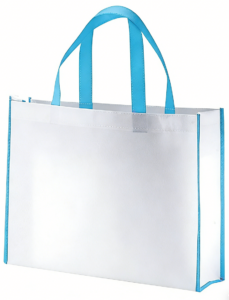
As environmental concerns grow worldwide, borse riutilizzabili have become an essential part of daily life for many people. Among various types of reusable bags, non-woven bags have gained significant popularity. They offer a balance of durability, cost-effectiveness, and environmental benefits.
In this blog post, we will explore the advantages of non-woven bags in depth, compare their features with other reusable materials such as cotton, canvas, jute, and recycled plastic bottles, and provide a detailed comparison of different thicknesses of non-woven bags. To help you visualize the data, I will include a summary table in Excel format comparing various properties.
What Are Non-Woven Bags?
Non-woven bags are made from polypropylene fibers that bond together through heat, chemicals, or pressure rather than being woven or knitted. This manufacturing process creates a fabric-like material that is lightweight yet strong.
Non-woven polypropylene is often chosen for reusable shopping bags because it is water-resistant, easy to clean, and inexpensive to produce.
Advantages of Non-Woven Bags: – 1
1. Cost-Effectiveness
One of the main advantages of non-woven bags is their affordability. Compared to cotton, canvas, or jute bags, non-woven bags are significantly cheaper to manufacture and purchase. This makes them accessible for large-scale promotional use or for consumers who want an eco-friendly option without spending much.
2. Lightweight and Easy to Carry
Non-woven bags are lightweight due to the nature of polypropylene fibers. Unlike canvas or jute bags, which can be bulky when empty, non-woven bags fold easily and take up very little space in your purse or pocket. This convenience encourages frequent reuse.
3. Water Resistance
Polypropylene fibers repel water, making non-woven bags resistant to rain or spills. Cotton and jute bags tend to absorb moisture, which can lead to unpleasant odors or mildew if not dried properly.
Advantages of Non-Woven Bags: – 2
4. Durability and Strength
Non-woven bags offer good strength for their weight. They can hold heavy groceries and resist tearing under normal use. While canvas and jute bags are generally stronger, non-woven bags strike a good balance between weight and durability.
5. Opzioni di personalizzazione
Non-woven bags can be easily printed on using various methods like screen printing or heat transfer. This makes them popular for marketing purposes since logos and designs show up clearly on the smooth surface.
6. Environmental Impact
Non-woven polypropylene is recyclable in many areas, though it depends on local facilities. While it is a plastic product, its reuse potential reduces the demand for single-use plastic bags significantly.
Comparing Different Thicknesses of Non-Woven Bags:
Non-woven bags come in different weights or thicknesses measured in grams per square meter (gsm). The thickness affects durability, strength, and cost. Below is an Excel-style table comparing common thicknesses:
| Thickness (gsm) | Weight (g) | Approximate Load Capacity (kg) | Durata | Cost (USD approx.) | Recommended Use |
|---|---|---|---|---|---|
| 80 gsm | 30-40 | 5-7 | Low | $0.20 – $0.30 | Light grocery shopping |
| 100 gsm | 40-50 | 7-10 | Medium | $0.30 – $0.50 | Everyday shopping |
| 120 gsm | 50-60 | 10-12 | High | $0.50 – $0.70 | Heavier groceries or books |
| 140 gsm | 60-70 | 12-15 | Very High | $0.70 – $1.00 | Bulk shopping or industrial use |
Explanation:
- 80 gsm bags are lightweight and suitable for carrying lighter items but may wear out quickly with heavy use.
- 100 gsm bags are the most common choice for regular shoppers balancing durability and cost.
- 120 gsm and above are recommended when you need stronger support for heavier or bulkier items.
How Non-Woven Bags Compare With Other Reusable Materials: – 1
To understand why non-woven bags are often preferred, it helps to compare them against other popular reusable bag materials: cotton, canvas, jute, and recycled plastic bottle fibers.
1.Cotton Bags
Cotton is a natural fiber popular for its softness and biodegradability. Cotton bags are durable and can machine wash multiple times.
Advantages:
- Biodegradable and made from renewable resources
- Comfortable texture and appearance
- Good strength and durability if made thick enough
Disadvantages:
- Higher cost than non-woven bags
- Heavier and bulkier to carry around
- Requires more water and energy to produce (cotton farming is resource-intensive)
- Absorbs moisture, which can cause odors or mildew if not dried properly
2.Canvas Bags
Canvas is a heavy-duty cotton fabric often used for sturdy tote bags.
Advantages:
- Extremely durable and long-lasting
- Can carry heavy items without tearing
- Washable and reusable for years
Disadvantages:
- More expensive than non-woven bags
- Heavy and bulky when empty
- Takes longer to dry after washing
- Production has a higher environmental footprint compared to non-woven polypropylene
How Non-Woven Bags Compare With Other Reusable Materials: – 2
3.Jute Bags
Jute is a natural fiber derived from plants, often used for rustic-style reusable bags.
Advantages:
- Biodegradable and sustainable material
- Strong fibers suitable for carrying heavy groceries
- Breathable fabric prevents moisture buildup
Disadvantages:
- Rough texture not favored by everyone
- Heavier than non-woven bags
- Prone to shrinking when washed
- Higher cost than non-woven alternatives
4.Recycled Plastic Bottle (rPET) Bags
These bags make from recycled polyethylene terephthalate (PET) bottles.
Advantages:
- Uses waste plastic bottles, reducing landfill waste
- Durable and water-resistant like non-woven polypropylene
- Soft texture similar to polyester fabrics
Disadvantages:
- Production requires energy-intensive processes
- Not biodegradable; depends on recycling systems for end-of-life disposal
- Generally more expensive than standard non-woven polypropylene
Environmental Considerations:
Choosing the right reusable bag involves thinking about the overall environmental impact — from raw material extraction through manufacturing to disposal.
Non-woven polypropylene bags have a smaller water footprint than cotton or canvas bags because they do not require intensive farming practices. Their lightweight nature means less fuel consumption during transportation compared to heavier cotton or jute bags.
However, since they are plastic-based, they do not biodegrade naturally in the environment like natural fiber bags do. Recycling non-woven polypropylene helps reduce waste but requires appropriate facilities.
Cotton and canvas bags break down naturally but come with increased water usage during production. Jute has the advantage of being both biodegradable and relatively low-impact in production.
Recycled plastic bottle bags reuse existing plastic but still introduce plastics into the material cycle.
In summary, non-woven polypropylene offers a practical balance between environmental impact and usability if reused many times.
Real-Life Examples and User Experiences:
Many retail stores and supermarkets now offer non-woven polypropylene bags as an alternative to single-use plastic sacks. Customers report that these bags last for months or even years with normal use.
For example, a shopper named Anna shared her experience using a 100 gsm non-woven bag weekly for generi alimentari over six months without signs of wear or tear. She appreciated how easy it was to clean the bag with a damp cloth and how lightweight it felt compared to her old cotton tote.
In contrast, John who tried cotton tote bags found them bulky to carry around when empty and noticed some shrinking after several washes.
These personal experiences underscore the practical advantages of non-woven polypropylene bags in everyday life.
Tips for Choosing the Right Non-Woven Bag:
When selecting a non-woven bag, consider how you plan to use it most:
If you mostly carry light items like bread or snacks, an 80 gsm bag might suffice. For typical grocery trips including canned goods and produce, aim for at least 100 gsm thickness. If you regularly carry heavier items like bottles or books, look for 120 gsm or above.
Also pay attention to bag size and handle strength to ensure comfort during use.
Summary Table: Material Comparison
| Feature | Non-Woven Polypropylene | Cotone | Tela | Juta | Recycled Plastic Bottle (rPET) |
|---|---|---|---|---|---|
| Cost | Low | Medium | High | High | Medium |
| Weight | Light | Medium | Heavy | Medium | Light |
| Durata | Medium to High | Medium | Very High | High | High |
| Water Resistance | Yes | No | No | No | Yes |
| Environmental Impact | Moderate; recyclable | Low; biodegradable but water-intensive production | Low; biodegradable but water-intensive production | Low; biodegradable | Moderate; recycled but plastic |
| Ease of Cleaning | Easy wipe | Machine washable | Machine washable | Hand wash recommended | Machine washable |
| Comfort | Moderate | Soft | Moderate | Rough | Soft |
Conclusione:
Non-woven polypropylene bags offer many advantages that make them an excellent choice for reusable shopping needs. They combine affordability with lightweight convenience, decent strength, water resistance, and ease of customization. When selected at the proper thickness level, they can reliably carry daily purchases while encouraging repeated use — key factors in reducing single-use plastic waste.
While natural fiber alternatives like cotton, canvas, and jute provide biodegradability benefits, they come with trade-offs such as higher cost, bulkiness, or resource-intensive production. Recycled plastic bottle bags share some strengths with non-wovens but tend to be pricier.
For most consumers looking for an economical yet environmentally friendly reusable bag option that fits easily into daily life, non-woven polypropylene represents a solid middle ground.
If you want to minimize your environmental footprint while maintaining convenience and durability, consider investing in a good quality non-woven bag with at least 100 gsm thickness. Use it repeatedly, keep it clean, and dispose of it responsibly when its lifespan ends.
FAQs About The advantages of non-woven bags: – 1
1. Are non-woven polypropylene bags environmentally friendly?
Non-woven polypropylene bags are more environmentally friendly than single-use plastic bags because they are reusable and reduce plastic waste.
However, since they make from plastic, they are not biodegradable. Their environmental benefit depends largely on how many times they reuse and whether they are properly recycled at the end of their life.
2. How many times can I reuse a non-woven bag?
With proper care, non-woven bags can reuse hundreds of times. Their durability varies depending on the thickness (gsm) and quality of the bag, but generally, a 100 gsm or higher bag will last for many months or even years of regular use.
3. Can I wash non-woven polypropylene bags?
Non-woven bags can usually clean by wiping with a damp cloth or mild detergent. They should not machine wash as this can damage the fabric and weaken the bonding between fibers. Air drying is recommended to maintain their shape and strength.
FAQs About The advantages of non-woven bags: – 2
4. How do non-woven bags compare to cotton bags in terms of environmental impact?
Cotton bags are biodegradable and made from natural fibers but require a significant amount of water and energy to grow and process the cotton. Non-woven polypropylene bags use less water during production but are plastic-based and not biodegradable.
The best environmental choice depends on usage frequency—cotton bags need to be used many times to offset their higher production impact, while non-woven bags offer a lower initial footprint if reused adequately.
5. Are non-woven bags recyclable?
Yes, non-woven polypropylene bags can be recycled where facilities exist, but recycling availability varies by location. It’s important to check with your local recycling center to see if they accept this type of material.
6. What thickness of non-woven bag should I choose for grocery shopping?
For general grocery shopping, a thickness of around 100 gsm is recommended for a good balance of strength and cost. If you frequently carry heavier items like bottles or canned goods, consider 120 gsm or higher for better durability.
FAQs: – 3
7. How do non-woven bags stand up to moisture compared to cotton or jute bags?
Non-woven polypropylene is water resistant, so these bags repel moisture and dry quickly if wet. Cotton and jute absorb water and can become heavy, retain odors, or develop mildew if not dried properly.
8. Are non-woven bags safe for food products?
Yes, most non-woven polypropylene bags are safe for carrying food items such as fruits, vegetables, bread, e packaged goods. However, avoid placing raw meat or liquids directly inside without additional protection.
9. Can non-woven bags be customized with logos or designs?
Absolutely. Non-woven bags have a smooth surface that works well with printing techniques like screen printing or heat transfer, making them popular for promotional giveaways e branding.
10. How do recycled plastic bottle (rPET) bags compare with non-woven polypropylene?
rPET bags use recycled materials which help reduce plastic bottle waste. They tend to be softer and more fabric-like but often cost more than non-woven polypropylene bags. Both types offer durability and water resistance but differ in production processes and end-of-life options.