


Is there a way to carry grocery bags home without getting sore hands or shoulders?
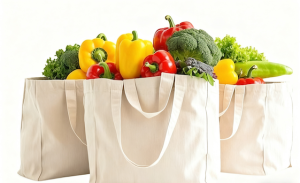
Carrying groceries home can be a chore, especially when you’ve stocked up for the week. Many people have faced the uncomfortable reality of sore hands, aching shoulders, and tired arms after lugging bags filled with heavy produce and canned goods.
Fortunately, there are several techniques and tools that can help you transport your groceries more comfortably.
In this blog post, we will explore a variety of methods to alleviate the physical strain of carrying your daily or weekly essentials home, along with some frequently asked questions to empower you on your grocery shopping adventures.
Understanding the Strain of Carrying Groceries:
Before delving into solutions, it’s essential to understand why carrying heavy grocery bags can lead to discomfort. When you grip onto bags tightly, the weight can cause muscle fatigue in your hands and arms.
Additionally, if you’re carrying multiple bags on one side, it can lead to imbalances, straining your shoulders and back. Recognizing these factors is the first step toward ensuring a more comfortable grocery run.
Is there a way to carry grocery bags home without getting sore hands or shoulders: – 1
1. Use the Right Bags
The first line of defense against sore hands and shoulders is to choose the right grocery bags. Here are some types you might consider:
- Reusable Tote Bags: Opt for sturdy, well-padded sacolas reutilizáveis. Avoid flimsy ones, as they may dig into your hands.
- Wheeled Grocery Carts: A cart can help take the weight off your shoulders and arms entirely. They come in various sizes to accommodate your weekly purchases.
- Mochilas: If you’re planning to carry a lighter load, a backpack can efficiently distribute weight and be balanced on both shoulders.
2. Balance Your Load
Balancing the distribution of weight can significantly reduce the strain:
- Spread the Weight Evenly: Try to balance the weight between both hands. If one bag is heavier, carry it in the opposite hand to counterbalance the weight.
- Divide Heavy and Light Items: Separate heavier items (like cans and bottles) from lighter items (like bread or produce) into different bags, ensuring an even distribution of weight.
3. Adjust Your Grip
Your grip can make a big difference when carrying bags:
- Use Handles Correctly: If your bags have long handles, cross them over your forearm rather than trying to grip them tightly in your hands. This will allow the weight to rest on your arm and reduce pressure on your fingers.
- Switch Hands Regularly: Regularly switching the bags from one hand to another can help distribute strain more evenly and prevent fatigue.
Is there a way to carry grocery bags home without getting sore hands or shoulders: – 2
4. Use Strap Supports
Invest in ergonomic strap supports that can help ease the strain of heavy weights on your hands. These products include:
- Carrying Straps: These can be used to create a more comfortable grip by redistributing weight away from your hands.
- Shoulder Padding: If you are using tote bags or reusable grocery bags, you might consider adding padding to the straps to reduce pressure on your shoulders.
5. Take Breaks
Carrying groceries doesn’t have to be a marathon. If you find your load to be heavy and burdensome:
- Find a Place to Rest: Stop for a moment under a tree or on a bench to allow your muscles to relax. Even a short break can rejuvenate your arms and hands.
- Consider Making Multiple Trips: For those who regularly stock up on groceries, making two trips can alleviate discomfort from carrying heavy loads at once.
6. Incorporate a Shopping List
A thoughtful shopping list can not only help you stick to your budget but also reduce the amount of items you purchase. By efficiently planning, you can limit the need for large amounts of heavy groceries, ultimately making your shopping experience less strenuous.
7. Utilize Technology
If you live in an area with options for grocery delivery or curbside pick-up, consider utilizing these resources. This can save you time, effort, and physical strain, especially if you regularly carry more than you can comfortably handle.
Conclusão:
Carrying groceries doesn’t have to lead to sore hands and shoulders if you utilize the right methods and tools. By being mindful of your load, using appropriate bags, and employing ergonomic techniques, you can transform your grocery runs from a pain into a breeze.
Remember, grocery shopping is a part of life, but minimizing discomfort can make it more enjoyable.Choose what works for you — whether it’s reevaluating your bag choices or taking advantage of modern conveniences — and say goodbye to sore hands and shoulders!
FAQs:
1: What are the best grocery bags for minimizing discomfort?
Look for sacolas de supermercado reutilizáveis made from sturdy materials with long, padded handles to reduce discomfort in your hands. Mesh or canvas bags can be strong while also being lightweight. Avoid plastic bags that can dig into your skin.
2: How do I carry groceries if I’m walking long distances?
If your walk is long, consider investing in a wheeled cart or a backpack designed for grocery carrying. It’s also helpful to take regular breaks, so you don’t strain yourself over the distance.
3: Can carrying groceries cause injuries?
Yes, improper carrying techniques can lead to muscle strain, sprains, or tendon injuries, especially if you frequently carry heavy loads. Using proper techniques and equipment can help mitigate the risk of injury.
4: Is it better to drive or walk to a mercearia?
If available, driving can significantly reduce strain, especially if you have a larger grocery list. However, walking can be a great form of exercise and a way to incorporate physical activity into your routine as long as you’re mindful about the weight you carry.
5: Are grocery delivery services worth it?
For those who regularly carry heavy loads, grocery delivery services can be a convenient alternative. They can save time and labor, making your life easier. Also, for individuals with mobility issues or those living far from grocery stores, delivery services can be especially valuable.