


Why Trade Show Attendees Love a Free Bag — And How It Benefits Your Brand?
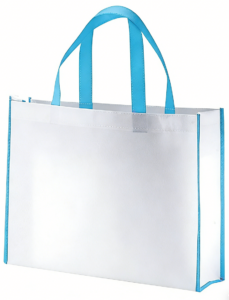
Walk through any trade show floor and you’ll notice something remarkable: attendees rush toward booths not just for the products or services being showcased, but for the free bag. That simple giveaway item might seem like a minor detail in your overall marketing strategy, but it’s actually one of the most powerful tools at your disposal. A well-designed branded bag serves as a walking advertisement, a practical utility item, and a memorable touchpoint that keeps your brand top-of-mind long after the event ends.
The magic of the free bag lies in its dual nature. It’s both a useful item that attendees genuinely want to take home and a marketing vehicle that extends your brand visibility far beyond the trade show floor. When someone carries your branded bag through the convention center, through airports, and into their office, they’re essentially giving your company free advertising to hundreds of people every single day.
But not all bags are created equal. The material you choose for your giveaway bag can make a significant difference in how it’s perceived, how long it lasts, and ultimately, how effectively it represents your brand.
In this article, we’ll explore why trade show attendees love free bags, how they benefit your brand, and why non-woven bags have emerged as the superior choice compared to other sacola reutilizável options.
Why Trade Show Attendees Love a Free Bag: – 1
1.Understanding the Psychology Behind Free Giveaways at Trade Shows:
Trade shows are overwhelming experiences for attendees. They navigate crowded floors, attend multiple presentations, collect business cards, and try to remember dozens of companies and their offerings. In this chaotic environment, a free bag provides something tangible and immediately useful. It’s not just merchandise; it’s a solution to a practical problem attendees face at that very moment.
The psychology of receiving something free is powerful.
When people get a gift, they experience what researchers call the “reciprocity principle.” This mental trigger makes people feel obligated to return the favor or think more positively about the giver. When an attendee receives your branded bag, they’re more likely to engage with your booth, listen to your pitch, and remember your company later on.
Beyond reciprocity, a quality bag demonstrates that your company values its customers enough to provide something useful and durable.
It sends a message that your brand is thoughtful, practical, and invested in the attendee’s experience. This perception can significantly influence how potential customers view your company and whether they’re willing to do business with you.
Why Trade Show Attendees Love a Free Bag: – 2
2.The Extended Marketing Value of Branded Bags:
One of the most underestimated aspects of trade show bags is their longevity as marketing tools.
Unlike a business card that might get lost or a pen that gets used once and forgotten, a quality bag gets used repeatedly. Someone might use your branded bag to carry groceries, gym clothes, livros, or supplies to work. Every time they use it, they’re reminded of your brand, and everyone around them sees your logo.
Consider the math: if an attendee uses your branded bag just twice a week for six months, that’s approximately 48 instances where your brand gets direct exposure to that person, plus countless additional exposures to people around them. The cost per impression becomes incredibly low when you factor in this extended visibility.
Branded bags also serve as conversation starters.
When someone carries a distinctive bag with a company logo, others often ask about it, creating organic word-of-mouth marketing opportunities. This is particularly valuable because recommendations from peers carry far more weight than traditional advertising.
Comparing Bag Materials: The Complete Analysis – 1
When selecting a bag for your brindes para feiras de negócios, you’ll encounter several material options. Each has distinct advantages and disadvantages. Let’s examine how non-woven bags stack up against traditional alternatives:
1.Cotton Bags
Cotton bags are biodegradable and feel premium, but they come with significant drawbacks. They’re heavy, expensive to produce, and require substantial water and pesticides to grow. Cotton bags also tend to wrinkle and stain easily, making them look worn after minimal use. For a brand that wants to appear high-end and environmentally conscious, cotton works, but the cost is considerably higher than other options.
2.Canvas Bags
Canvas is durable and has a professional appearance, making it popular for upscale brands. However, canvas is quite heavy, which becomes problematic when attendees are already carrying multiple items at a trade show. The weight factor actually discourages people from carrying these bags, reducing their effectiveness as mobile advertisements. Canvas also requires significant processing and is more expensive than many alternatives.
3.Jute Bags
Jute bags offer an eco-friendly appearance and rustic aesthetic. They’re biodegradable and relatively inexpensive. However, jute is rough to the touch, prone to fraying, and can shed fibers onto attendees’ clothing. Jute bags also deteriorate relatively quickly compared to synthetic alternatives, meaning your brand’s visibility diminishes faster as the bag falls apart.
Comparing Bag Materials: The Complete Analysis – 2
4.Paper Bags
Paper bags are the most budget-friendly option and are entirely recyclable. However, they’re not reusable in any practical sense. Paper bags tear easily, can’t hold heavy items, and degrade when exposed to moisture. From a brand perspective, paper bags signal that you’re not investing much in your giveaway, which can negatively impact how attendees perceive your company’s quality and reliability.
5.Polyester Bags
Polyester bags are lightweight and water-resistant, making them practical for various uses. They’re also relatively inexpensive. However, polyester is entirely synthetic and non-biodegradable, which can be problematic if your brand positions itself as environmentally conscious. Polyester bags also tend to feel cheap and can generate static electricity, creating an unpleasant user experience.
Comparing Bag Materials: The Complete Analysis – 3
6.Non-Woven Bags: The Superior Choice
Non-woven bags represent the optimal balance of practically every consideration that matters for trade show giveaways. Non-woven material engineers from polypropylene fibers that bond together through heat and pressure rather than woven or knitted. This manufacturing process creates a fabric that offers exceptional benefits across multiple dimensions.
Non-woven bags are lightweight, making them comfortable to carry even when loaded with materials from multiple trade show booths. They’re incredibly durable, resisting tears and maintaining their appearance through repeated use and washing. The material doesn’t wrinkle or fray, so your branded bag looks professional long after the event ends.
From a cost perspective, non-woven bags offer excellent value. They’re significantly less expensive than cotton or canvas but feel more substantial than polyester. This means you can maximize your budget and potentially give away more bags or upgrade other aspects of your giveaway.
Non-woven bags are also water-resistant, making them practical for everyday use in various weather conditions. They can easily wipe clean if they get dirty, and they withstand washing without degrading. This durability extends the lifespan of your brand visibility considerably.
Comparative Material Analysis Table:
Here’s a detailed comparison of how these materials stack up across key criteria:
| Criterion | Non-Woven | Algodão | Tela | Juta | Paper | Poliéster |
|---|---|---|---|---|---|---|
| Cost | Low-Medium | High | High | Low | Very Low | Low |
| Durability | Excellent | Good | Excellent | Fair | Poor | Good |
| Weight | Light | Pesado | Pesado | Medium | Very Light | Light |
| Water Resistance | Good | Poor | Poor | Poor | Very Poor | Good |
| Eco-Friendly | Moderate | High | Moderate | High | High | Low |
| Feel/Quality | Good | Premium | Premium | Rough | Cheap | Cheap |
| Longevity of Use | 2-3 years | 1-2 years | 2-3 years | 6-12 months | Single use | 1-2 years |
| Washability | Easy | Easy | Moderate | Difficult | Not applicable | Easy |
| Print Quality | Excellent | Excellent | Good | Fair | Good | Good |
| Reusability | High | High | High | Low | None | Medium |
Why Non-Woven Stands Out for Brand Representation?
Non-woven bags have become the industry standard for trade show giveaways because they excel in almost every practical category.
The lightweight nature of non-woven material means attendees are actually willing to carry these bags throughout the event and continue using them afterward.
This directly translates to more brand exposure.
The durability of non-woven bags ensures that your brand message remains clear and visible for years, not months.
When someone uses your bag regularly, they’re providing consistent marketing exposure that continues long after the trade show ends. This extended visibility represents tremendous value for your marketing investment.
Non-woven bags also maintain their appearance remarkably well.
Unlike cotton bags that wrinkle and look worn, or jute bags that fray and shed, non-woven bags look almost as good after dozens of uses as they did on day one. This means your brand is represented by a bag that looks professional and well-maintained, not shabby or deteriorated.
The environmental story of non-woven bags is also compelling.
While not as eco-friendly as natural materials, non-woven bags are recyclable and far more durable than single-use alternatives. A non-woven bag that gets used hundreds of times over several years actually has a lower environmental impact than paper bags that end up in landfills after a single use.
Real Stories: How Free Bags Made a Difference at Trade Shows? – 1
To better understand the real impact of free branded bags, here are a couple of stories from companies that witnessed firsthand how giving away the right bag boosted their brand visibility and attendee engagement.
Story 1: A Tech Startup’s Breakthrough with Non-Woven Bags
A small tech startup specializing in cybersecurity solutions was preparing for its first major trade show appearance. With a limited marketing budget, the team needed a giveaway item that would appeal to busy conference attendees, stand out on a crowded show floor, and maximize long-term brand exposure.
After researching different options, they chose bright blue non-woven bags printed with their logo and tagline. The bags were roomy enough for attendees to carry conference materials and durable enough to last beyond the event. The lightweight nature meant attendees didn’t hesitate to grab one at their booth.
During the event, the startup noticed an immediate uptick in booth traffic. Visitors would often comment on how useful the bags were, asking about the company simply because they appreciated the giveaway. Several attendees mentioned that they planned to reuse the bags during their daily errands.
Months after the trade show, the team received multiple inquiries from contacts who had either used the bag themselves or seen it around, sparking conversations that led to new business opportunities. The startup’s founder later reflected that choosing non-woven bags was one of their most effective marketing decisions — a practical, affordable item that kept their brand front and center long after the show ended.
Real Stories: How Free Bags Made a Difference at Trade Shows? – 2
Story 2: A Non-Profit Finds Unexpected Brand Ambassadors in Jute Bags
A non-profit organization focused on environmental conservation participated in a large sustainability fair and decided to give away jute bags with their logo. They wanted to emphasize eco-friendliness and align with their mission by choosing a natural material.
At first, the team was thrilled with the response—attendees loved receiving a reusable bag that matched the cause. However, the jute bags soon revealed some challenges. Many users found the material rough and noticed fibers shedding onto clothing. Some bags began fraying after just a few uses.
Despite this, the organization discovered that many recipients still used the bags as shopping totes, which sparked conversations about sustainability and introduced new people to their work. The bags’ rustic look also made them visually distinctive, attracting attention at various community events.
The non-profit learned that while jute bags perfectly supported their environmental message, they had to balance aesthetics and durability more carefully in future giveaways. This experience underscored how material choice impacts not only attendee satisfaction but also long-term brand representation.
Maximizing the Impact of Your Branded Bag Giveaway:
Choosing the right material is just the first step. To truly maximize the impact of your branded bag giveaway, consider several additional factors.
First, ensure your logo and brand message are clearly visible and professionally printed.
The bag should be visually appealing and reflect the quality of your brand.
Second, think about the colors you choose.
Colors that complement your brand identity and stand out in a crowded trade show floor will be more memorable and more likely to be used repeatedly. Bright, distinctive colors perform better than neutral tones in terms of brand recall.
Third, consider the bag’s functionality.
A well-designed bag with comfortable handles, adequate capacity, and reinforced seams will be used more frequently than a poorly constructed one. The more practical the bag, the more it will be used, and the more exposure your brand receives.
Finally, track the effectiveness of your giveaway.
Ask attendees where they got the bag, monitor social media mentions of your branded bag, and track whether recipients become customers. This data helps you understand the true ROI of your trade show investment.
Conclusão:
Free bags at trade shows aren’t just nice-to-have items; they’re strategic marketing investments that continue paying dividends long after the event ends. The material you choose directly impacts how effectively that bag serves as a brand ambassador.
Non-woven bags represent the superior choice for most brands because they balance cost-effectiveness, durability, practicality, and professional appearance in a way that other materials simply cannot match. They’re light enough that people actually want to carry them, durable enough that they last for years, and professional enough that they reflect well on your brand.
When you invest in quality non-woven branded bags for your next trade show, you’re not just giving away a practical item. You’re creating a lasting touchpoint that will remind people of your company every time they use it, turning attendees into walking advertisements for your brand. In the world of trade show marketing, that’s an investment that truly pays for itself many times over.
FAQs about Why Trade Show Attendees Love a Free Bag: – 1
1.Why do trade show attendees prefer free bags over other giveaways?
Trade show attendees often collect a lot of materials, samples, brochures, and business cards throughout the event. A free bag provides a practical solution to carry all these items comfortably. Unlike smaller giveaways that might get lost or discarded quickly, a bag offers real utility during and after the event.
Attendees appreciate receiving something useful rather than just another trinket, which increases the likelihood they will keep and use the item—and in turn, promote your brand repeatedly.
2.How does the choice of bag material affect brand perception?
The material of your giveaway bag sends a subtle but powerful message about your brand’s values and quality standards. For example, a heavy-duty canvas or cotton bag may suggest premium quality and durability but can be costly and less convenient to carry.
Paper bags might appear cheap and disposable, reflecting poorly on your brand’s investment in the event. Non-woven bags strike a balance by offering durability, affordability, and a professional look. Choosing the right material ensures that your brand is associated with practicality, quality, and thoughtfulness.
3.Are non-woven bags environmentally friendly?
Non-woven bags make from polypropylene, a synthetic material that is recyclable but not biodegradable like natural fibers. However, their environmental impact is mitigated by their durability and reusability. Since they can use repeatedly over several years, they often result in less waste compared to single-use paper or plastic bags.
If environmental responsibility is a core part of your brand message, you can also look for non-woven bags made from recycled materials or ensure recycling options are available for users.
FAQs about about Why Trade Show Attendees Love a Free Bag: – 2
4.Can branded bags increase booth traffic at trade shows?
Yes. Offering a free branded bag can draw attendees to your booth who might otherwise pass by. People are attracted to practical giveaways, especially when they know they will need something to carry all their collected materials.
Once at your booth, the bag acts as an icebreaker that opens conversations and allows your team to engage attendees about your products or services. This makes branded bags an effective tool for increasing booth visits and lead generation.
5.How can I ensure my branded bag is used after the trade show?
To encourage ongoing use, focus on design elements like size, comfort, and style. Bags that are too small or awkward tend to be discarded quickly. Comfortable handles and ample capacity encourage frequent use.
Additionally, choose colors and printing styles that match your brand identity while remaining visually appealing. The more attractive and functional your bag is, the more likely recipients will incorporate it into their daily routines—extending your brand exposure well beyond the event.
6.What are typical costs for non-woven bags compared to other materials?
Non-woven bags are generally more affordable than cotton or canvas options but cost slightly more than basic paper or polyester bags. Prices vary depending on size, printing complexity, and quantity ordered.
Because of their durability and popularity, many suppliers offer competitive bulk pricing for non-woven bags, making them a cost-effective choice for trade shows. Investing a bit more upfront usually pays off through prolonged use and greater brand visibility.
FAQs about about Why Trade Show Attendees Love a Free Bag: – 3
7.How many bags should I order for a trade show?
The number depends on the size of the event and your marketing goals. A good rule of thumb is to order enough for at least one per expected attendee plus extras for VIPs, staff giveaways, or contests.
You may also want to account for distribution through partner booths if applicable. Ordering too few means missing opportunities to spread your brand; ordering too many can lead to leftover inventory that may go unused.
8.Can I customize non-woven bags with full-color prints or logos?
Absolutely. Non-woven bags accept various printing techniques including screen printing, digital printing, and heat transfer, allowing vibrant logos and detailed designs.
High-quality printing makes your branding stand out clearly and professionally. You can typically customize colors, add slogans or taglines, and even include QR codes or website URLs to drive further engagement.