


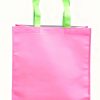
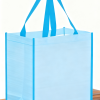
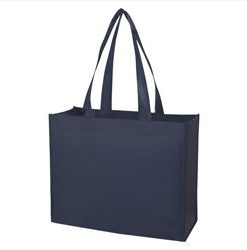
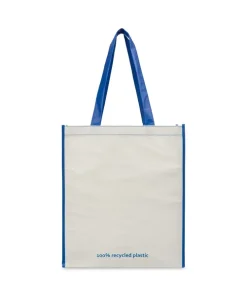
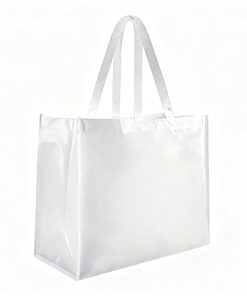
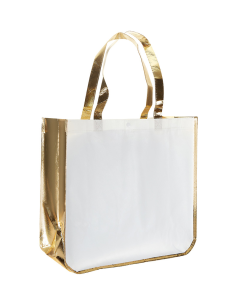
Custom Reusable Rpet Packaging Laminated Grocery Bags Shopping Gifts Promotional Foldable Tote Shopping Bags make a statement that wraps up all the things you love in a bag, like handle comfort, open bag space and reusability!
- Material:Made From 100% Recycled Non-Woven Polypropylene Laminated
- Size:15″ W x 16″ H
- Alça reforçada para facilitar o transporte.
- This reusable tote is great for beach, library ou day at the park
Since custom non-woven bags and totes are so friendly to the budget, you can distribute them with every purchase or provide them as swag bags fill with branded promotional items. Also, they compress into a smaller size and are ideal for grocery shopping use. Therefore, you’ll gain valuable visibility of your brand at a low cost to you.
Product Specifications for Custom Reusable Rpet Packaging Laminated Grocery Bags Shopping Gifts Promotional Foldable Tote Shopping Bags:
| Destaque | Description |
|---|---|
| Material | 80g Non woven polypropylene +30g lamination film |
| Lamination Type | Glossy / Matte |
| Printing Options | Silk screen / Heat transfer / Gravure |
| Handle Style | Non woven handles with cross-stitching |
| Sizes Available | 15″ W x 16″ H |
| Colors | Pantone matched or standard stock colors |
| Logo Placement | Edge-to-edge or centered logo print |
| MOQ | 500-1,000 pcs |
Benefits of Using Custom Reusable Rpet Packaging Laminated Grocery Bags Shopping Gifts Promotional Foldable Tote Shopping Bags :
Non-woven laminated bags have various uses, including:
Promotional giveaways at events and trade shows
Eco-friendly alternatives to single-use plastic bags
Grocery and shopping bags
Packaging for retail products
How Laminated Non-Woven Bags Are Manufactured: – 1
1. Specification and Artwork Confirmation:
The first step in manufacturing laminated non-woven bags involves detailed discussions with the client to confirm specifications such as size, design, colors, and printing requirements. This stage is critical to ensure that the final product meets the customer’s expectations. Designers may create digital mock-ups to visualize the artwork and bag design.
Discussions about material quality, durability, and usage also take place to ensure the bag’s functionality. Once all elements finalize, the client must approve the design and specifications to move forward. This step helps prevent miscommunication and sets clear expectations for the production process.
2. BOPP Film Printing:
In this step, the BOPP (Biaxially Oriented Polypropylene) film print with the confirmed artwork. High-quality printing techniques, such as flexography or gravure printing, are employed to ensure vibrant colors and sharp detail. The printing process can include multiple colors, requiring precise alignment and registration.
After printing, the ink typically cure to ensure durability, as it needs to withstand wear and tear. This step is essential because the printed BOPP film will serve as the outer layer of the non-woven bag, contributing to both aesthetics and branding, as well as providing a protective barrier.
3. Film-to-Fabric Lamination:
Once the BOPP film is printed, it undergoes the lamination process, where it fuses to the non-woven fabric. This step enhances the bag’s strength and provides a protective layer against moisture and fading. The lamination process typically conducte using heat and pressure, ensuring that the layers bond securely.
Depending on the intended use of the bag, additional properties like water resistance or UV protection can add during this stage. The quality of the lamination directly affects the bag’s durability and functionality, making it a critical phase in the production process.
How Laminated Non-Woven Bags Are Manufactured: – 2
4. Cutting, Folding, and Creasing:
After lamination, the combined BOPP and non-woven material cut into sheets according to predetermined dimensions. Advanced cutting machines ensure precise cuts, creating uniform pieces for bag assembly. Following cutting, the sheets fold and crease to form the bag’s structure, which makes assembly easier and adds to the aesthetic appeal.
Accurate folding and creasing are essential to ensure the bags are easy to open and use. This step prepares the materials for final bag formation, ensuring they meet the required specifications for size and style while maintaining consistency across production batches.
5. Bag Forming and Handle Assembly:
In this stage, the prepped sheets assemble into the final bag shape. The sides of the folded and cut materials sew or heat-seal together, creating the bag’s body. Handle assembly may involve attaching pre-made handles or creating them from the same material. Various handle styles, such as die-cut or loop handles, can employ based on design specifications.
Proper handle attachment is crucial for strength and functionality. This step transforms the flat sheets into operational bags, combining aesthetics and durability while ensuring that each bag is made to the client’s specifications.
6. Inspection and Export Packing:
The final step involves a thorough inspection of the completed bags to ensure they meet quality standards and client specifications. Inspectors check for defects such as misprints, tears, or faulty seams. After passing inspection, the bags organize for export packing, where they bundle into boxes or cartons for shipping.
Care takes to ensure that the bags pack efficiently to minimize damage during transport. Labeling and paperwork are also prepared to facilitate smooth customs clearance. This phase is essential for quality assurance and ensuring that the final product reaches the client in perfect condition.



Avaliações
Não há avaliações ainda.