


What Should You Need to Know About Non-Woven Bags?
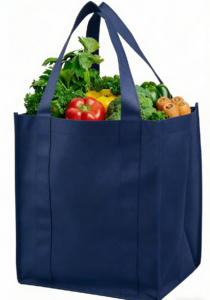
In recent years, the shift toward sustainable and eco-friendly products has ushered in a paradigm shift in consumer habits, encouraging many to seek alternatives to traditional plastic bags.
One of the most promising alternatives that has gained popularity is the non-woven bag.
In this comprehensive guide, we will explore everything you need to know about non-woven bags, from their origins and manufacturing processes to their benefits, drawbacks, and various applications.
What Are Non-Woven Bags?
Non-woven bags make from spunbonded polypropylene or other synthetic fibers that connect through a bonding process rather than weaving. Unlike traditional woven fabric, non-woven materials do not require a loom for production, allowing for efficient manufacturing processes.
This type of bag is flexible, durable, and biodegradable, making it a popular choice among environmentally-conscious consumers.
Environmental Impacts:
The environmental implications of non-woven bags are a major factor that draws attention to them. Generally speaking, they are more eco-friendly than single-use plastic bags. They can last for years if properly maintained and often make from recycled materials.
Furthermore, many non-woven bags design to be biodegradable or recyclable, serving as a step towards reducing the ever-growing problem of plastic waste.
What Should You Need to Know About Non-Woven Bags: – 1
1.Manufacturing Process
The production of non-woven bags involves several steps, each aimed at achieving a high-quality end product. Here’s a brief overview of the key processes involved:
- Material Selection: The primary raw material for non-woven bags is polypropylene, a thermoplastic polymer. Variations may also include recycled materials or blends to improve eco-friendliness.
- Spinning: In this phase, polypropylene melt down and extrude through spinnerets to create continuous filaments. It can spin into fibers of varying thicknesses depending on the desired characteristics of the final product.
- Bonding: The produced fibers then bond together using mechanical, thermal, or chemical methods. The nature of this bonding process greatly influences the properties of the non-woven fabric, such as strength, softness, and permeability.
- Fabrication: Once the non-woven fabric form, it cut and sew into bags of various shapes and sizes, depending on market demands. At this stage, manufacturers can also add features like handles, pockets, and closures.
- Treatment and Finishing: To enhance functionality and aesthetics, non-woven bags can undergo various finishes, including printing, dyeing, and water-repellency treatments.
What Should You Need to Know About Non-Woven Bags: – 2
2.Advantages of Non-Woven Bags
- Durability: Non-woven bags boast a high tensile strength, allowing them to carry heavy loads without ripping or tearing. They can hold significantly more weight than traditional paper or plastic bags.
- Reusable and Washable: Non-woven bags design for multiple uses. They can wash and reuse, which not only reduces waste but also promotes a more sustainable lifestyle.
- Customizability: These bags are highly customizable, allowing businesses to print logos and designs easily. This makes them a popular choice for promotional products and brand awareness campaigns.
- Cost-Effective: Although the initial investment in non-woven bags may be higher than that of plastic bags, their reusable nature makes them more cost-effective in the long run.
- Versatility: Non-woven bags can use for a myriad of purposes, including grocery shopping, promotional giveaways, packaging, and retail. Their adaptability makes them appealing to various industries.
- Eco-Friendly Options: As mentioned earlier, many non-woven bags make from recyclable or biodegradable materials. This positions them as a more sustainable alternative to conventional plastic bags, which persist in the environment for hundreds of years.
What Should You Need to Know About Non-Woven Bags: – 3
3.Disadvantages of Non-Woven Bags
While non-woven bags offer several benefits, they aren’t entirely without drawbacks. Here are some considerations:
- Degradation: Although non-woven bags often market as biodegradable, the actual decomposition rate can vary significantly depending on environmental conditions. Some may not break down as quickly as consumers expect.
- Chemical Concerns: The production of polypropylene and the dyes used in coloring non-woven bags can associate with environmental pollutants. Therefore, it is crucial to source these products from responsible manufacturers.
- Less Breathable: Non-woven bags may not allow for the same airflow as natural fabric options. This characteristic can be a drawback for certain applications, such as carrying fresh produce.
- Limited Heat Resistance: Non-woven materials can be sensitive to high temperatures and may be less suitable for carrying hot food items over extended periods.
What Should You Need to Know About Non-Woven Bags: – 4
4.Applications of Non-Woven Bags
Non-woven bags utilize across various sectors due to their versatile nature. Some common applications include:
- Retail Bags: Many retailers have adopted non-woven bags as a sustainable alternative to plastic shopping bags. They provide customers with a durable option for carrying their purchases.
- Promotional Items: Businesses often use customized non-woven bags for marketing purposes. These bags serve as company-branded giveaways that can help extend brand visibility in communities.
- Tote Bags: They frequently utilize for tote bags, designed for grocery shopping, leisure activities, or general use.
- Medical Applications: The healthcare sector employs non-woven materials for various applications, including surgical gowns, masks, and hygiene products due to their cost-effectiveness, lightweight nature, and disposability.
- Organizational Systems: Non-woven bags are often used for storage solutions, including file bags, cosmetic organizers, and other organizational products.
Tips for Choosing Non-Woven Bags:
If you’re considering investing in non-woven bags, here are some tips to keep in mind:
1.Check for Quality:
Look for bags made from virgin or high-quality recycled polypropylene, ensuring strength and durability.
2.Choose Eco-Friendly Options:
Opt for biodegradable and recyclable options from reputable manufacturers, prioritizing sustainability.
3.Customization:
If you need branded bags for promotional use, find suppliers that offer customization, allowing you to add your logo or design effectively.
4.Size and Shape:
Think about how you plan to use the bags. Will they be primarily for groceries, promotional giveaways, or retail operations? Choose sizes and shapes that best accommodate your needs.
5.Care Instructions:
Familiarize yourself with the care instructions, as some non-woven bags are machine washable while others may require different cleaning methods.
Conclusion:
Non-woven bags represent an innovative and sustainable alternative to traditional plastic bags. Their strength, reusability, and lower environmental impact make them a practical choice for consumers and businesses alike. While there are some drawbacks to consider, the advantages often outweigh the cons, especially as society continues to prioritize eco-friendly practices.
By being informed about non-woven bags, you can make smart choices for your shopping needs, ensuring you play a part in reducing plastic waste and promoting sustainability. As awareness and demand for green products increase, non-woven bags are likely to become even more prevalent in our daily lives, paving the way for a cleaner, more sustainable future.
Whether you’re looking to make a fashion statement or a conscious choice, non-woven bags are certainly an option worth considering.
FAQs: – 1
1. Are non-woven bags truly biodegradable?
Not all non-woven bags are biodegradable. While many manufacturers advertise their products as eco-friendly, the biodegradability of a non-woven bag largely depends on its material composition. Some non-woven bags are made from polypropylene that can take decades to decompose in a landfill. However, there are environmentally-friendly alternatives made from biodegradable materials that can break down more effectively under the right conditions.
2. How do I care for non-woven bags?
To maintain the longevity of your non-woven bags, you can wash them with mild soap and water. Most non-woven bags are machine washable, though it is advisable to check the care tags first. Avoid using harsh chemicals or bleach, as these can damage the material. Air drying is recommended to maintain their shape and durability.
3. Can non-woven bags be recycled?
Yes, many non-woven bags are recyclable, but they often need to be taken to special recycling facilities. Many curbside recycling programs do not accept non-woven materials due to their composition. Always check with your local recycling program for specific guidelines on recycling non-woven bags.
FAQs: – 2
4. How much weight can a non-woven bag carry?
The weight capacity of non-woven bags can vary depending on their thickness and design. Generally, high-quality non-woven bags can support 10 to 15 kilograms (22 to 33 pounds) or more without tearing. For heavy loads, always check the manufacturer’s specifications.
5. What are the differences between non-woven bags and reusable cloth bags?
Non-woven bags typically make from synthetic materials like polypropylene, while reusable cloth bags often make from natural fibers such as cotton or jute. Non-woven bags are usually lighter, more water-resistant, and offer a lower production cost compared to cloth bags. However, cloth bags may be preferred by consumers looking for a completely natural option.
6. Can I customize non-woven bags?
Yes, non-woven bags are highly customizable. Many manufacturers offer printing options for logos, designs, and messages. This customization makes them an excellent choice for promotional use, allowing businesses to reinforce their branding while providing a useful product.
FAQs: – 3
7. Are there any health concerns associated with using non-woven bags?
Non-woven bags made from polypropylene are generally considered safe for carrying food items, especially when they labele as food-safe. However, it is crucial to ensure that the bags are properly cleaned and sanitized, particularly if they have been used for carrying raw foods or products that could carry bacteria. Avoid using non-woven bags for storing perishable items for extended periods to minimize risk.
8. Where can I buy non-woven bags?
Non-woven bags can purchase at a variety of locations, including online retailers, specialty eco-friendly stores, and directly from manufacturers. Many local retailers may also carry non-woven bags, especially those focused on sustainability.
9. How do non-woven bags compare in price to plastic bags?
The initial cost of non-woven bags is typically higher than that of single-use plastic bags. However, because non-woven bags are reusable and durable, they offer better long-term value. Consumers find that the initial investment pays off over time due to their capacity for repeated use.
10. Can non-woven bags use for storing items other than groceries?
Absolutely! Non-woven bags are incredibly versatile and can use to store a variety of items including clothing, cosmetics, office supplies, and even gym gear. Their structure helps keep belongings organized while being lightweight and easy to carry.