


Promotional Tote Bag Materials: The Complete B2B Sourcing Guide!
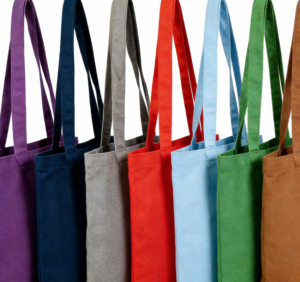
In today’s competitive market, promotional tote bags have become a staple for businesses looking to boost brand visibility while offering practical value. Choosing the right material for your tote bags is critical—it affects durability, printing quality, cost, and ultimately, how your brand is perceived.
For businesses buying in bulk, understanding the nuances of different tote bag materials can make a significant difference in your marketing success.
This guide will walk you through the most common materials used in promotional tote bags, comparing their durability, logo printing methods, typical uses, and the pros and cons of each. To make things easier, there’s an Excel-style comparison included, so you can quickly see how the options stack up.
Why Material Matters in Promotional Tote Bags?
Tote bags are more than just carriers; they are mobile billboards that travel with your customers. The material you choose not only impacts how long the bag lasts but also how well your logo or message displays. Some materials handle printing better than others, and some are better suited for certain industries or events.
For example, a grocery store giveaway might prioritize durability and ease of cleaning, while a conference might focus on style and print quality. Balancing these factors alongside budget constraints is key to selecting a material that will serve your business best.
Common Promotional Tote Bag Materials Explained: – 1
1. Cotton Canvas
Cotton canvas is arguably the most popular choice for promotional tote bags. It offers a natural look and feel that appeals to consumers who prefer eco-friendly products. Canvas is thick and sturdy, making it ideal for carrying heavier items.
- Durability: High. Canvas bags can withstand repeated use and washing.
- Logo Printing: Best printed via screen printing or embroidery. The texture of canvas holds ink well but may not be suitable for very fine details.
- Usages: Trade shows, retail giveaways, grocery shopping.
- Pros: Eco-friendly, durable, good print quality, reusable.
- Cons: Can be heavier and more expensive than synthetic options; natural fiber may shrink if washed improperly.
2. Non-Woven Polypropylene
Non-woven polypropylene (NWPP) is a synthetic fabric commonly used for budget-friendly promotional bags. It’s lightweight and water-resistant to some degree.
- Durability: Moderate. It’s less durable than canvas but decent for light to medium use.
- Logo Printing: Works well with heat transfer and screen printing but less ideal for embroidery.
- Usages: Conferences, events with high distribution numbers, grocery bags.
- Pros: Affordable, lightweight, water-resistant, recyclable.
- Cons: Less durable over time; printing quality may fade with extended use.
Common Promotional Tote Bag Materials Explained: – 2
3. Polyester
Polyester tote bags provide a smooth surface ideal for detailed printing with vibrant colors. This synthetic material is also water-resistant and fairly durable.
- Durability: Good. Polyester resists tearing and holds up well under regular use.
- Logo Printing: Excellent for sublimation printing and digital transfers, which allow full-color designs.
- Usages: Corporate gifts, retail promotions, sports events.
- Pros: Vibrant printing options, water-resistant, lightweight.
- Cons: Less eco-friendly than cotton; can have a shiny look that some might not prefer.
4. Jute
Jute is a natural fiber with a rustic appearance often chosen by brands wanting to emphasize sustainability. It’s biodegradable and has a coarse texture.
- Durability: Moderate to high. Strong fibers but prone to wear if exposed to moisture frequently.
- Logo Printing: Best with screen printing; embroidery is possible but less common due to texture.
- Usages: Farmers markets, eco-conscious events, organic product promotions.
- Pros: Eco-friendly, durable with care, natural aesthetic.
- Cons: Rough texture can limit printing detail; not water-resistant.
5. Denim
Denim tote bags bring style and durability together. Made from cotton twill fabric, denim is tough and fashionable.
- Durability: Very high. Denim withstands heavy use and washing well.
- Logo Printing: Suitable for embroidery and screen printing but may require specialized inks due to thickness.
- Usages: Fashion promotions, retail stores, casual events.
- Pros: Durable, trendy look, good print options.
- Cons: Heavier than other fabrics; higher cost.
How Durability Compares?
When choosing materials based on how long the bag will last under typical usage conditions, here’s how they rank:
- Denim: Highest durability
- Cotton Canvas: High durability
- Jute: Moderate to high durability
- Polyester: Good durability
- Non-Woven Polypropylene: Moderate durability
Denim and cotton canvas are ideal if you want your promotional bag to last years with repeated use. Polyester offers a good balance between durability and lightweight feel. NWPP is great for short-term use or giveaways where cost is a major factor.
Logo Printing Methods by Material:
The success of your promotional message depends heavily on how well your logo prints onto the tote bag material. Here’s what you need to know about common printing techniques:
- Screen Printing: Works best on cotton canvas, jute, and denim due to their sturdy surfaces.
- Embroidery: Suitable for canvas and denim; adds texture but costs more.
- Heat Transfer Printing: Ideal for non-woven polypropylene and polyester; allows vibrant colors.
- Sublimation Printing: Exclusive to polyester; gives bright all-over prints.
- Digital Printing: Can be done on polyester or canvas but may fade faster on rougher fabrics.
Choosing the right printing process depends on your design complexity, color needs, budget, and the material chosen for the bag.
Typical Uses of Promotional Tote Bags by Material:
Each material tends to fit certain industries or event types better:
- Cotton Canvas Bags: Popular at trade shows, boutiques, farmers markets—anywhere lasting impression matters.
- Non-Woven Polypropylene Bags: Perfect for mass giveaways at conferences or grocery stores.
- Polyester Bags: Favored by companies needing full-color logos or sportier aesthetics.
- Jute Bags: Great for eco-friendly brands or green initiatives.
- Denim Bags: Suited for fashion events or brands targeting younger demographics.
Matching the bag material to the event or customer base helps increase the utility and appeal of the promotional item.
Pros and Cons Summary in Excel Format:
| Material | Durability | Printing Methods | Typical Uses | Pros | Cons |
|---|---|---|---|---|---|
| Cotton Canvas | High | Screen printing, embroidery | Trade shows, retail | Eco-friendly, durable, good print quality | Heavier, can shrink |
| Non-Woven Polypropylene | Moderate | Heat transfer, screen print | Events with high volume | Affordable, lightweight, recyclable | Less durable, print fades |
| Polyester | Good | Sublimation, heat transfer | Corporate gifts, sports | Vibrant prints, water-resistant | Less eco-friendly |
| Jute | Moderate-High | Screen printing | Eco-events, markets | Biodegradable, natural look | Rough texture limits print detail |
| Denim | Very High | Embroidery, screen print | Fashion promotions | Durable, stylish | Heavyweight, higher cost |
Making Your Decision: What Should Businesses Consider?
When choosing tote bag materials for your business promotions in bulk orders, keep these key points in mind:
1.Purpose of the Bag:
Is it a giveaway for a one-time event or an item meant to last? Higher durability materials like denim or canvas are better for long-term use.
2.Logo Design Complexity:
Detailed logos may require polyester’s smooth surface or high-quality screen printing on cotton.
3.Budget Constraints:
Non-woven polypropylene offers great value for large quantities but sacrifices some durability.
4.Environmental Impact:
Natural fibers such as cotton canvas and jute appeal to eco-conscious customers.
5.Audience Preferences:
Consider what your target audience prefers — sustainable materials or trendy looks might influence your choice.
6.Printing Method Compatibility:
Match your design with the right printing method that works best on the material selected.
Conclusion:
Selecting the right material for your promotional tote bags is a strategic decision that can impact brand perception and campaign effectiveness. Cotton canvas remains a popular all-around choice thanks to its durability and eco-friendliness.
If budget is tight but volume is high, non-woven polypropylene offers an affordable solution with reasonable performance. Polyester stands out when vibrant full-color designs are needed. Jute appeals to green-minded consumers while denim provides a stylish option for fashion-forward brands.
Understanding the strengths and weaknesses of each material along with their printing capabilities ensures that your promotional investment pays off with bags that customers will actually use—and show off—long after your event ends.
FAQs about Promotional Tote Bag Materials: – 1
1.What is the most eco-friendly material for promotional tote bags?
Cotton canvas and jute are generally the most eco-friendly options. Both are natural fibers that are biodegradable and renewable. Cotton canvas, if organic and sustainably sourced, has a lower environmental impact than conventional cotton. Jute is a fast-growing plant that requires minimal pesticides and water, making jute bags a great choice for eco-conscious brands.
2.How do I choose the right printing method for my tote bags?
The choice depends primarily on the material and your logo design. Screen printing works well on cotton, jute, and denim but is less effective for intricate, multi-color designs. Sublimation printing delivers vibrant, full-color images but only works on polyester. Heat transfer is versatile for synthetic materials like polyester and non-woven polypropylene. Embroidery adds texture and a premium feel but usually costs more.
3.Can promotional tote bags be reused multiple times?
Yes! Durability varies by material, but most promotional tote bags, especially those made of cotton canvas, denim, or polyester, are designed for repeated use. This not only gives your brand longer exposure but also aligns with sustainable marketing practices by reducing single-use plastics.
FAQs about Promotional Tote Bag Materials: – 2
4.Are there weight limits for different tote bag materials?
Yes, denser materials like denim and cotton canvas can carry heavier loads—often up to 15-20 pounds or more—while lighter materials such as non-woven polypropylene may be suitable for lighter items up to around 10 pounds. It’s important to consider how your customers will use the bags to avoid dissatisfaction or damage.
5.How does cost vary between different tote bag materials?
Non-woven polypropylene is usually the most affordable option, making it attractive for large giveaways. Cotton canvas and polyester bags are moderately priced, balancing quality and cost. Denim and jute tend to be more expensive due to their durability and natural fiber sourcing. Keep in mind that printing method and logo complexity can also affect overall cost.
FAQs: – 3
6.Can I wash promotional tote bags?
Most cotton canvas, denim, and polyester bags can be washed gently by hand or in a machine with mild detergent. Jute bags should be spot cleaned as they can degrade with heavy moisture exposure. Non-woven polypropylene bags generally do not hold up well to washing and are best wiped clean.
7.Which material offers the best color retention for logos?
Polyester with sublimation printing offers the best color retention, as the dye becomes part of the fabric itself. Screen printing on cotton canvas also holds up well over time but might fade slightly after many washes. Heat transfer prints on polypropylene may fade faster with heavy use.