


How You Can Save Money Simply By Using A Reusable Shopping Bag?
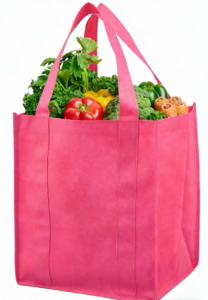
In today’s world, where every penny counts and environmental awareness is growing, using a reusable shopping bag is one of the simplest yet smartest ways to save money while being eco-friendly.
This small change in daily shopping habits can add up to significant savings over time, both for individuals and businesses.
In this post, we’ll explore how reusable bags can help you save money, compare different types of reusable materials, look at various logo printing methods, discuss design options, and even provide a handy Excel-style data comparison to make it easier for you to choose the best option.
Why Reusable Shopping Bags Save You Money?
Many cities and stores have introduced charges for plastic bags to reduce waste. These fees can seem small—often just 5 to 20 cents per bag—but they add up quickly if you shop regularly. Switching to reusable bags means you avoid these fees altogether. More importantly, reusable bags are durable and can be used many times over years, which means you spend less on bags overall compared to continually buying disposable ones.
Aside from direct savings on bag fees, reusable bags reduce waste and the environmental costs linked with plastic production and disposal. This indirect saving benefits society as a whole by reducing cleanup costs and pollution-related expenses.
Comparing Different Reusable Bag Materials:
Choosing the right material for your reusable bag depends on several factors: durability, cost, environmental impact, and suitability for printing logos or designs if you want a personalized look. Here’s a detailed look at common materials:
1. Firstly,Non-Woven Polypropylene (PP)
Non-woven polypropylene bags are made from a fabric-like plastic material. They are lightweight, water-resistant, and affordable. These bags are widely used for promotional purposes because they hold printed logos well and offer good durability.
- Cost: Low to medium
- Durability: Moderate (can last up to 50 uses)
- Environmental Impact: Made from plastic but reusable, recyclable in some areas
- Printing Compatibility: Excellent for screen printing and heat transfer
2. Secondly,Cotton Canvas
Cotton canvas bags are highly durable and biodegradable. They offer a natural look and feel, making them popular for grocery shopping and fashion purposes. Cotton bags tend to be more expensive upfront but last longer with proper care.
- Cost: Medium to high
- Durability: High (can last hundreds of uses)
- Environmental Impact: Biodegradable but production is resource-intensive (water use)
- Printing Compatibility: Good for screen printing and embroidery
3. Thirdly,Jute Bags
Jute is a natural fiber known for its strength and rustic appearance. Jute bags are biodegradable and often favored by environmentally conscious consumers.
- Cost: Medium
- Durability: Moderate to high (can last 100+ uses)
- Environmental Impact: Biodegradable with low resource use
- Printing Compatibility: Limited due to rough texture; best for simple logos
4. Lastly,Polyester Bags
Polyester bags are synthetic but very strong and water-resistant. They tend to be cheaper than cotton but less eco-friendly.
- Cost: Low
- Durability: High (can last 100+ uses)
- Environmental Impact: Plastic-based, less eco-friendly unless recycled
- Printing Compatibility: Good for dye sublimation and screen printing
Logo Printing Methods and Their Costs:
If you want your reusable bag to carry a brand message or personalization, printing methods matter. The choice affects cost, print quality, durability, and environmental impact.
1.Firstly,Screen Printing
Screen printing uses stencils to apply ink layers on fabric. It’s ideal for simple designs with few colors.
- Cost: Affordable for large orders
- Durability: High (long-lasting prints)
- Best For: Non-woven PP, cotton canvas
- Limitations: Not suitable for photo-quality images
2.Secondly,Heat Transfer Printing
Heat transfer involves printing designs on special paper and then transferring it onto the bag’s surface with heat.
- Cost: Medium
- Durability: Good but may fade after multiple washes
- Best For: Non-woven PP, polyester bags
- Limitations: Not as durable as screen printing
3.Thirdly,Embroidery
Embroidery stitches logos directly into fabric with thread.
- Cost: Higher cost
- Durability: Very high (lasts the lifetime of the bag)
- Best For: Cotton canvas bags
- Limitations: Not suitable for plastic-based materials; limited complexity
4.Lastly,Dye Sublimation
This method uses heat to infuse dye into polyester fibers, allowing full-color images.
- Cost: Medium to high
- Durability: Excellent on polyester; colors don’t peel or fade easily
- Best For: Polyester bags only
- Limitations: Limited to polyester or polymer-coated fabrics
Design Considerations That Affect Cost and Usability:
When picking a design for your reusable bag, consider size, shape, handle type, and compartments. These factors affect how comfortable the bag is to carry and how much weight it can hold.
For instance, larger bags with reinforced handles cost more but allow carrying heavier groceries or items like books or clothes. Smaller foldable bags are convenient but less durable. Adding inner pockets or zippers adds functionality but also increases cost.
The complexity of your logo or design can also influence cost. Simple single-color prints are cheaper than multi-color or full-image prints.
Practical Savings: Usage Comparison in Excel Format
To help visualize how reusable bags save money over time compared to disposable plastic bags, here’s an example in an Excel-style table format:
| Material | Initial Cost (per bag) | Average Lifespan (uses) | Cost Per Use | Plastic Bag Cost Per Use | Net Saving Over 100 Uses |
|---|---|---|---|---|---|
| Non-Woven PP | $1.00 | 50 | $0.02 | $0.10 | $8.00 |
| Cotton Canvas | $4.00 | 200 | $0.02 | $0.10 | $18.00 |
| Jute | $3.00 | 100 | $0.03 | $0.10 | $7.00 |
| Polyester | $1.50 | 150 | $0.01 | $0.10 | $13.50 |
| Plastic Bag | $0.10 | 1 | $0.10 | — | — |
Assuming each plastic bag costs 10 cents
From this table, you can see that even though reusable bags require an upfront investment, their cost per use is significantly lower than single-use plastic bags once used multiple times.
For example, a cotton canvas bag costing $4 will only cost you two cents per use if used 200 times. Meanwhile, buying 200 plastic bags would cost you $20 at 10 cents each.
How Businesses Benefit from Reusable Bags?
Businesses that provide or sell reusable bags can also save money in the long run by reducing reliance on disposable bags—which may have associated purchase costs or taxes—and by promoting their brand with customized logos.
Offering branded reusable bags encourages customers to return to the store, increasing loyalty and repeat business while reinforcing an eco-friendly image.
Tips for Maximizing Savings with Reusable Bags:
To get the most value out of your reusable shopping bags:
- Use them consistently every time you shop.
- Store them conveniently so you don’t forget them.
- Clean them regularly to maintain hygiene.
- Choose durable materials suited for your typical shopping habits.
- Consider bags with multiple compartments or reinforced handles for versatility.
- If using them for branding, select printing methods and designs that will last long without fading.
Conclusion: Small Change with Big Savings
Switching to reusable shopping bags is a straightforward way to save money over time while reducing your environmental impact. By understanding the different materials available, their costs, durability, and print options for customization, you can make an informed choice that fits your needs.
The financial benefits become clear when comparing the cost per use over months or years against disposable plastic bags’ ongoing expense. Plus, businesses gain marketing advantages by using reusable bags as walking advertisements.
So next time you head out shopping, bring along your reusable bag — it pays off in more ways than one!
FAQs about How You Can Save Money Simply By Using A Reusable Shopping Bag: – 1
1. How soon will I start saving money by using reusable shopping bags?
You can start saving money immediately if your local store charges for disposable plastic bags. Even if there is no fee, over time you will spend less because reusable bags last much longer than single-use bags. Typically, after 10 to 20 uses, the initial investment in a reusable bag pays for itself compared to buying disposable bags each time.
2. Are reusable shopping bags more expensive upfront?
Yes, reusable bags often cost more initially than a single plastic bag. However, their durability means you won’t need to buy new bags frequently. This lowers your overall spending on bags in the long term.
3. Which reusable bag material offers the best balance of cost and durability?
Non-woven polypropylene bags are generally the most affordable option while still offering reasonable durability for everyday use. Cotton canvas and jute bags tend to last longer but come with higher upfront costs. The best choice depends on your budget and how often you shop.
FAQs about How You Can Save Money Simply By Using A Reusable Shopping Bag: – 2
4. Can I customize reusable bags with my own logo or design?
Absolutely. Most reusable bag materials support various printing methods like screen printing, heat transfer, embroidery, and dye sublimation. The choice of printing method depends on the bag material and your design complexity. Customization is ideal for businesses looking to promote their brand or for personal use.
5. Do reusable bags require special care?
Reusable bags generally need simple care such as occasional washing, especially if they carry groceries like raw meat or produce. Cotton and canvas bags are machine washable, while polypropylene and polyester bags can usually be wiped clean or hand washed.
6. Are reusable shopping bags environmentally friendly?
Reusable bags reduce the demand for single-use plastic bags, which helps decrease plastic pollution. While some materials like cotton have environmental costs in production, their long lifespan usually offsets this impact when used many times.
FAQs about How You Can Save Money Simply By Using A Reusable Shopping Bag: – 3
7. How many uses does it take for a reusable bag to be more eco-friendly than a plastic bag?
Studies suggest that a cotton bag needs to be used around 100 times to offset its higher environmental footprint compared to plastic bags. Polypropylene and polyester bags require fewer uses, often between 10 to 30 uses, due to lower production impacts.
8. Can reusable bags carry heavy items?
Yes, many reusable bags are designed with reinforced handles and durable fabrics that can carry heavy groceries or books. Cotton canvas and jute bags are particularly sturdy, while some polypropylene and polyester options also support substantial weight.
9. Are there any discounts or incentives for using reusable bags?
Some stores offer discounts or loyalty points for customers who bring their own reusable bags. Additionally, avoiding plastic bag fees adds up to direct savings. Check with your local shops or community programs for specific incentives.
10. Can I recycle a damaged reusable shopping bag?
Recycling options depend on the material and local facilities. Some polypropylene and polyester bags are recyclable where facilities exist. Natural fiber bags like cotton and jute can be composted if free from synthetic blends or heavy inks. Always check local recycling guidelines to dispose of damaged bags responsibly.