


Best GSM for Non-woven Shopping Bags: A Comprehensive Guide!
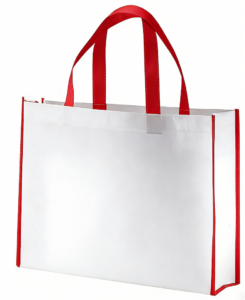
Non-woven shopping bags have become increasingly popular in recent years as a sustainable alternative to single-use plastic bags. These bags are made from polypropylene fabric, which offers a good balance between durability, cost, and environmental impact.
But when choosing the right non-woven bag, one key factor to consider is the GSM – grams per square meter – which measures the thickness and density of the fabric.
This blog post explores the best GSM for non-woven shopping bags, compares different GSM options in terms of durability, strength, size, and typical usages, and explains the advantages of non-woven bags over other reusable materials like cotton, canvas, jute, and recycled plastic bottles.
What Is GSM and Why Does It Matter?
GSM stands for grams per square meter. It measures the weight of the fabric per unit area and is often used to describe textiles. For non-woven bags, GSM is a crucial specification because it directly affects the bag’s thickness, strength, and overall quality.
A higher GSM means the fabric is heavier and generally stronger, but it can also increase the cost and weight of the bag. Conversely, a lower GSM makes the bag lighter and cheaper but may reduce its durability. Finding the right GSM balance depends on the intended usage of the bag.
Comparing Different GSM Levels for Non-Woven Bags:
Non-woven shopping bags typically range from 40 GSM to 120 GSM. Here’s a detailed comparison of common GSM options:
| GSM | Thickness (mm) | Approximate Strength (kg load) | Typical Size (cm) | Common Uses | Durability Rating (1-5) |
|---|---|---|---|---|---|
| 40 | 0.12 | 5 – 7 kg | 30 x 35 x 10 | Lightweight groceries, giveaways | 2 |
| 60 | 0.18 | 8 – 10 kg | 35 x 40 x 12 | Regular grocery shopping, retail bags | 3 |
| 80 | 0.25 | 12 – 15 kg | 38 x 42 x 14 | Medium weight items, promotional bags | 4 |
| 100 | 0.30 | 15 – 18 kg | 40 x 45 x 15 | Heavy groceries, bulk items | 4.5 |
| 120 | 0.38 | 18 – 22 kg | Custom sizes | Industrial use, heavy-duty shopping | 5 |
1.Thickness:
Thickness increases with GSM but can vary slightly depending on manufacturing methods. Thicker bags offer more protection for heavier or sharp-edged items.
2.Strength:
Strength refers to how much weight the bag can carry without tearing. Higher GSM bags are more reliable for heavy loads.
3.Size:
Sizes listed are typical but customizable depending on supplier and customer needs.
4.Durability:
This rating considers wear and tear over repeated uses.
How to Choose the Best GSM?
Choosing the right GSM depends on your specific needs:
1.For Light Use:
If you need bags for light items like fruits or giveaways, a lower GSM bag (40-60) offers sufficient strength at a lower cost.
2.For Everyday Grocery Shopping:
A mid-range GSM (60-80) strikes a good balance between durability and price.
3.For Heavy Loads or Long-Term Use:
Higher GSM bags (100-120) provide superior strength for carrying heavy items or for customers wanting long-lasting bags.
Advantages of Non-Woven Bags Over Other Reusable Materials:
Now that we’ve examined GSM in non-woven bags, how do these bags compare against other reusable materials like cotton, canvas, jute, and recycled plastic bottles? Each material has its pros and cons in terms of sustainability, cost, durability, and usability.
1.Firstly,Cotton Bags
Cotton bags are popular due to their natural feel and biodegradability. However, cotton production requires significant water and pesticide use. Cotton bags tend to be heavier and bulkier than non-woven polypropylene bags. While strong and washable, cotton bags often have a lower lifespan if frequently washed or overloaded.
2.Secondly,Canvas Bags
Canvas is a type of heavy-duty cotton fabric often used for durable tote bags. Canvas offers excellent strength and durability but tends to be heavier and more expensive than non-woven options. Like cotton, canvas production consumes a lot of water and energy. Additionally, canvas bags take longer to dry when washed.
3.Thirdly,Jute Bags
Jute is a natural fiber known for its biodegradability and rustic appearance. Jute bags are strong and breathable but usually coarser and less flexible compared to non-woven polypropylene. Jute fibers can degrade when exposed to moisture over time, making these bags less ideal for wet environments.
4.Lastly,Recycled Plastic Bottle Bags (rPET)
Bags made from recycled PET plastic bottles offer an eco-friendly solution by reusing post-consumer waste. These bags are usually durable with a smooth finish but tend to be more expensive than non-woven polypropylene bags. Production involves chemical processing that may have environmental impacts despite recycling benefits.
Why Non-Woven Polypropylene Bags Are a Great Choice?
Non-woven polypropylene bags strike a middle ground between environmental responsibility, cost efficiency, and practicality:
- Lightweight: Even high-GSM non-woven bags weigh less than equivalent cotton or canvas bags.
- Water Resistant: Unlike cotton or jute, polypropylene does not absorb water easily, which helps prevent mold or odors.
- Cost-Effective: Non-woven fabric production is generally cheaper than cotton or jute processing.
- Reusable & Recyclable: These bags can be reused multiple times and recycled where facilities exist.
- Customizable: They can be produced in various colors, sizes, and with printed designs easily.
- Good Strength-to-Weight Ratio: A well-chosen GSM ensures strong performance without unnecessary weight.
Real-Life Example: Choosing Bags for a Grocery Store Chain
Imagine a grocery store chain considering reusable bag options for their customers. Their main priorities are durability for carrying groceries up to 15 kg, affordability for bulk ordering, and environmental responsibility.
They evaluate three options:
- Non-woven polypropylene at 80 GSM
- Cotton canvas bags
- Jute bags
The store finds that 80 GSM non-woven bags meet their load requirements while costing about half as much as canvas or jute bags. Customers appreciate the lightweight feel and bright printed designs on the non-woven bags. The store can also reorder in bulk quickly due to shorter production times compared to cotton or jute alternatives.
This example illustrates how understanding GSM and material properties helps businesses make informed decisions that benefit customers and the environment.
Care Tips to Maximize Non-Woven Bag Lifespan:
To get the most out of your non-woven shopping bag regardless of GSM:
- Avoid overloading beyond the recommended weight.
- Keep bags dry when possible; wipe clean with a damp cloth instead of machine washing.
- Store bags flat to prevent creasing or damage.
- Repair minor tears promptly using fabric glue or patches.
With proper care, an 80 to 100 GSM non-woven bag can last months or even years of regular use.
Summary Comparison Table:
| Material | Typical Weight (g) | Durability | Environmental Impact | Cost | Water Resistance |
|---|---|---|---|---|---|
| Non-Woven Polypropylene (80 GSM) | ~60 g | High | Moderate; recyclable | Low | High |
| Cotton | ~150 g | Medium | High water use; biodegradable | Medium | Low |
| Canvas | ~200 g | Very High | High water/energy use | High | Low |
| Jute | ~180 g | Medium-High | Biodegradable; moderate impact | Medium | Medium |
| Recycled PET | ~100 g | High | Good reuse of waste | High | High |
Conclusion:
Choosing the right non-woven shopping bag GSM comes down to matching fabric strength with your typical use case. For everyday groceries, an 80 GSM bag offers solid durability without excess weight or cost. For lighter tasks or promotional giveaways, lower GSM options work well. For heavy-duty needs or industrial use, aim for higher GSM fabrics above 100.
Non-woven polypropylene bags provide excellent value compared to cotton, canvas, jute, or recycled plastic bottle bags when considering durability, water resistance, customization options, and price. They are well-suited for environmentally conscious consumers who want reusable alternatives that are practical and affordable.
If you are a retailer or business owner looking to supply reusable shopping bags, understanding these differences will help you select products that satisfy customers while supporting your sustainability goals.
Call to Action:
Are you ready to switch to reusable non-woven shopping bags? Whether you’re an individual looking for durable grocery carriers or a business planning promotional giveaways, consider choosing the best GSM based on your needs. Look for suppliers that provide detailed specs so you know exactly what you’re getting.
By making informed choices about bag materials and their specifications, you contribute positively toward reducing plastic waste while enjoying convenience and style. Start your journey toward greener shopping habits today with the perfect non-woven bag!
FAQs About GSM and Non-Woven Shopping Bags: – 1
1.What exactly does GSM mean for non-woven bags?
GSM stands for grams per square meter, which indicates the weight and density of the fabric used in the bag. A higher GSM means a thicker, heavier, and generally stronger fabric, while a lower GSM is lighter but less durable.
2.Is a higher GSM always better for non-woven shopping bags?
Not necessarily. While higher GSM bags are stronger and more durable, they also cost more and weigh more. The best GSM depends on your typical usage. For light items, a lower GSM is sufficient, whereas for heavy loads or long-term use, a higher GSM is more suitable.
3.How does the durability of non-woven bags compare to cotton or canvas bags?
Non-woven polypropylene bags are water-resistant and resistant to tearing under normal use, but cotton and canvas bags are generally more durable over many years of use. However, cotton and canvas are heavier and may require more care.
FAQs About GSM and Non-Woven Shopping Bags: – 2
4.Are non-woven bags environmentally friendly?
Yes, they are reusable and recyclable in many places. They have a lower environmental impact during production compared to cotton or jute but are made from plastic-based materials, so proper disposal or recycling is important.
5.Can non-woven bags wash?
Non-woven bags can wipe clean with a damp cloth but are not designed for machine washing as this can damage the fabric and reduce lifespan.
6.What size should I choose for my non-woven shopping bag?
Sizes vary based on intended use. For groceries, medium sizes around 35-40 cm wide with a gusset are common. For promotional uses or lightweight items, smaller sizes work fine.
FAQs About GSM and Non-Woven Shopping Bags: – 3
7.Are printed non-woven bags durable?
Yes, printing on non-woven bags is usually done with durable inks that last through multiple uses without fading, making them great for branding or giveaways.
8.Can I customize the GSM when ordering non-woven bags?
Many manufacturers offer customization options on GSM, size, color, and printing. It’s best to discuss your specific needs with suppliers to get the right balance of strength and cost.
9.How do recycled plastic bottle bags compare to non-woven bags?
Recycled PET (rPET) bags recycle plastic waste into durable fabric. They tend to be stronger and smoother but cost more than non-woven polypropylene bags. Both are good eco-friendly alternatives to single-use plastics.
10.What are some tips to extend the life of my non-woven shopping bag?
Avoid overloading beyond recommended weight limits, keep bags dry when possible, store flat or hanging to prevent creases, and clean by wiping rather than machine washing.