


Laminated Grocery Bags for Farmers’ Markets and Local Shopping: Why They’re Changing How We Shop?
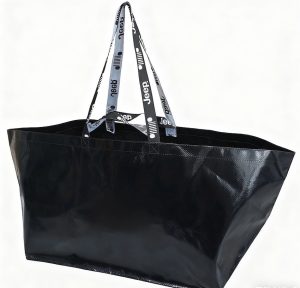
When you walk into a farmers’ market on a Saturday morning, you’re likely to see shoppers carrying all kinds of bags. Some bring canvas totes, others use cloth bags they’ve had for years, and an increasing number are reaching for laminated grocery bags.
These practical carriers have become the go-to choice for people who care about both durability and sustainability. But what makes laminated bags stand out from the crowd, and why should you consider switching if you haven’t already?
Let’s explore the benefits of laminated grocery bags and how they compare to other reusable materials.
Understanding Laminated Grocery Bags:
Laminated grocery bags are made by combining a base layer of fabric, usually polypropylene or cotton, with a protective plastic coating. This coating creates a waterproof barrier that makes the bags incredibly practical for carrying fresh produce, wet items, and everything else you find at your local farmers’ market. The lamination process doesn’t just make the bags waterproof—it also increases their strength and durability, allowing them to hold heavier items without tearing or wearing down quickly.
The genius of laminated bags lies in their simplicity. They’re lightweight enough to carry comfortably, yet strong enough to handle the weight of fresh vegetables, dairy products, and other goods. Unlike paper bags that fall apart when wet or flimsy plastic bags that tear easily, laminated bags maintain their integrity through repeated use and washing.
Benefits of Laminated Grocery Bags for Farmers’ Markets and Local Shopping: – 1
1.The Durability Advantage
One of the most compelling reasons to choose laminated grocery bags is their impressive lifespan. A quality laminated bag can last for several years with proper care, meaning you’ll use it hundreds of times before it needs replacing. This longevity translates directly into cost savings and environmental benefits.
When you compare the lifespan of a laminated bag to other materials, the numbers tell a clear story. A laminated bag might cost slightly more upfront than a basic cotton or canvas option, but when you calculate the cost per use over its lifetime, it becomes one of the most economical choices available. You’re not constantly buying replacements, which means less money out of your pocket and less waste going into landfills.
The durability also means you can trust your laminated bag with heavier produce purchases. Those big bunches of carrots, heavy melons, or bulk purchases of local honey won’t strain the seams or cause the bag to stretch out of shape. The reinforced handles and sturdy construction mean your bag will look nearly as good after fifty uses as it did on day one.
Benefits of Laminated Grocery Bags for Farmers’ Markets and Local Shopping: – 2
2.Waterproof Protection for Your Groceries
Shopping at farmers’ markets often means dealing with unpredictable weather and wet produce. Laminated bags excel in these situations because their waterproof coating protects both the bag and its contents. If you pick up fresh greens that have been misted to keep them crisp, or if you get caught in a surprise rain shower, your groceries stay protected.
This waterproof feature is particularly valuable when you’re buying fresh herbs, lettuce, or other delicate items that can be damaged by excess moisture. The lamination keeps water from seeping through the fabric and damaging your purchases. Additionally, if you accidentally spill something inside the bag or set it down on a wet surface, the laminated coating prevents moisture from soaking through to your other groceries.
The waterproofing also makes cleaning incredibly easy. You can simply wipe down the interior and exterior with a damp cloth, or even give your bag a quick rinse under running water. This easy maintenance ensures your bag stays fresh and hygienic, which is especially important when carrying fresh produce.
Benefits of Laminated Grocery Bags for Farmers’ Markets and Local Shopping: – 3
Keeping your reusable bags clean is crucial for food safety, and laminated bags make this task effortless. Unlike canvas or cotton bags that require washing, laminated bags can be cleaned in seconds with a damp cloth. You can wipe away any spills, dirt, or residue immediately, and the non-porous surface doesn’t harbor bacteria or odors the way fabric bags can.
Many laminated bags are also machine washable, giving you the option for a deeper clean when needed. You can toss them in with your regular laundry or hand wash them quickly. The laminated coating prevents the bags from absorbing odors, which means your bag won’t smell like onions or fish even after carrying pungent items. This is a significant advantage over cloth materials that can trap smells and require special treatment to eliminate them.
Benefits of Laminated Grocery Bags for Farmers’ Markets and Local Shopping: – 4
4.Environmental Considerations
While laminated bags are made from synthetic materials, their environmental impact is actually quite favorable when you consider their entire lifecycle. A laminated bag that lasts five years and is used two hundred times has a much lower environmental footprint per use than a non-woven bag that’s used fifty times before falling apart.
The manufacturing process for laminated bags is also relatively efficient, requiring less water and energy than producing cotton or canvas bags. Additionally, many laminated bags are made from recyclable materials, and at the end of their life, they can be recycled rather than sent to landfills.
The key to maximizing the environmental benefits is using your laminated bag consistently and for as long as possible. Every time you use it instead of a disposable plastic bag or paper bag, you’re preventing waste from entering the environment.
Comparing Laminated Bags to Other Reusable Materials:
To give you a comprehensive understanding of how laminated bags stack up against other popular reusable bag materials, here’s a detailed comparison:
| Material | Durability (Years) | Weight Capacity (lbs) | Waterproof | Cost per Bag | Washable | Environmental Impact | Best For |
|---|---|---|---|---|---|---|---|
| Laminated (Polypropylene) | 3-5 | 30-40 | Yes | $4-8 | Hand/Machine | Low (long lifespan) | Wet produce, heavy items |
| Non-Woven | 1-2 | 15-25 | No | $2-4 | Machine | Moderate | Light groceries, short-term use |
| Cotton | 2-3 | 20-30 | No | $5-10 | Machine | Moderate (requires more washes) | Dry goods, everyday shopping |
| Canvas | 2-4 | 25-35 | No | $8-15 | Machine | Moderate (heavy, requires energy) | Stylish carrying, dry items |
| Jute | 1-2 | 15-20 | No | $6-12 | Hand only | Low (biodegradable but fragile) | Short-term use, eco-conscious |
| rPET (Recycled Polyester) | 2-3 | 20-30 | Partial | $5-9 | Machine | Low (made from recycled materials) | Casual shopping, eco-friendly option |
Why Laminated Bags Win for Farmers’ Market Shopping?
When you’re specifically shopping at farmers’ markets and local stores, laminated bags offer several advantages that other materials simply can’t match.
First, farmers’ markets involve purchasing fresh, often wet produce.
The waterproof nature of laminated bags protects your groceries and keeps your car or home clean from moisture and dirt.
Second, farmers’ market shopping often means buying in bulk.
You might purchase several pounds of vegetables, multiple jars of local preserves, or heavy artisan bread. The weight capacity of laminated bags far exceeds most other reusable options, making them the practical choice for serious shoppers.
Third, the cost-effectiveness becomes apparent when you consider how often you’ll visit the farmers’ market.
If you go weekly, you’ll use your bag fifty times per year. Over a three-year lifespan, that’s 150 uses. Divide the initial cost by those uses, and you’re spending just pennies per shopping trip while other materials might need replacing after just one or two seasons.
Practical Tips for Using Your Laminated Bag:
To get the most out of your laminated grocery bag, follow a few simple guidelines.
Store your bags in a convenient location so you remember to bring them to the market. Many people keep them in their car or by the front door.
Clean your bags regularly, especially after carrying particularly wet or messy items.
Avoid exposing your laminated bags to extreme heat, as this can damage the coating.
Don’t leave them in a hot car for extended periods or place them near heat sources.
When washing, use cool or warm water rather than hot water.
With these simple precautions, your bag will maintain its appearance and functionality for years.
Making the Switch:
If you’ve been using other types of reusable bags and are considering switching to laminated options, the transition is simple. You don’t need to replace all your bags at once.
Start by purchasing one or two laminated bags and see how they perform for your shopping habits. Most people find that they quickly become their favorite bags and naturally reach for them first.
Conclusion:
Laminated grocery bags represent a smart choice for anyone who regularly shops at farmers’ markets or local stores. Their superior durability, waterproof protection, and easy maintenance make them stand out from other reusable materials. While cotton, canvas, and other options have their merits, laminated bags offer the best combination of practicality and longevity for fresh produce shopping.
By choosing laminated bags, you’re investing in a product that will serve you well for years while reducing your environmental impact. You’re also supporting a more sustainable shopping culture that values durability and reusability over disposable convenience.
The next time you head to the farmers’ market, bring along a laminated bag and experience the difference quality reusable shopping bags can make.
FAQs: – 1
1.Are laminated grocery bags eco-friendly?
Laminated grocery bags can be eco-friendly when use regularly over a long period. They design to last several years and hundreds of uses, which reduces the need for disposable bags and lowers overall waste.
While they contain plastic coatings, the durability and reusability help offset the environmental impact compared to single-use bags. Additionally, many laminated bags are recyclable, further minimizing their footprint.
2.How do laminated bags compare to cotton or canvas in terms of maintenance?
Laminated bags are much easier to clean than cotton or canvas bags. Thanks to their waterproof coating, you can simply wipe them down with a damp cloth to remove dirt or spills. Cotton and canvas bags usually need machine washing and can take longer to dry.
Moreover, laminated bags don’t absorb odors like fabric bags often do, making them a more hygienic choice for carrying fresh and sometimes wet produce.
3.Can laminated grocery bags carry heavy items?
Yes, laminated grocery bags design to carry heavier loads than many other reusable bag types. Their reinforced construction and durable materials allow them to hold up to 30-40 pounds comfortably without tearing or losing shape. This makes them ideal for farmers’ market shopping where bulk purchases of fruits, vegetables, and other goods are common.
FAQs: – 2
4.Are laminated bags waterproof?
Most laminated grocery bags are waterproof due to their plastic coating. This feature protects your groceries from moisture and prevents spills from soaking through the bag material. It’s especially helpful for carrying fresh produce that might be damp or misted, as well as protecting contents in rainy weather.
5.How long do laminated grocery bags typically last?
With proper use and care, laminated grocery bags can last anywhere from 3 to 5 years. Their lifespan depends on frequency of use and maintenance, but generally, they outperform many other reusable bag materials in terms of durability. Regular cleaning and avoiding exposure to extreme heat can help extend their usability.
6.Are laminated grocery bags recyclable?
Many laminated grocery bags can recycle, but it depends on local recycling facilities and the specific materials used in the bag. The plastic coating can sometimes complicate recycling, so it’s important to check with your local waste management services. Regardless, their long lifespan helps reduce single-use bag consumption significantly.
FAQs: – 3
7.How do laminated bags perform in cold or hot weather?
Laminated bags handle cold weather well and can protect your groceries from frost or dampness. However, exposure to high temperatures or direct sunlight for long periods might damage the laminated coating. It’s best to store them indoors or in shaded areas when not in use to maintain their condition.
8.Can laminated grocery bags be personalized or printed on?
Yes, one advantage of laminated bags is that their smooth surface allows for high-quality printing. Farmers’ markets, local vendors, and shoppers often customize these bags with logos, artwork, or slogans. This makes them not only functional but also a great tool for marketing and community identity.
9.Are laminated grocery bags safe for carrying food directly?
Yes, laminated grocery bags are generally safe for carrying food items directly. The materials used are typically food-safe polypropylene or cotton with a plastic coating that does not leach harmful chemicals.
Still, it’s always a good idea to clean your bag regularly to maintain hygiene when carrying fresh produce or perishables.
10.How do laminated grocery bags compare price-wise over time?
Though laminated bags may have a higher upfront cost compared to single-use or basic reusable bags, their durability makes them more cost-effective over time.
When you consider the number of uses (potentially hundreds) they provide without needing replacement, the cost per use becomes very low. This makes them an economical choice for frequent shoppers at farmers’ markets or local stores.