


Tote Bags in the Hospitality Industry: Branding That Travels!
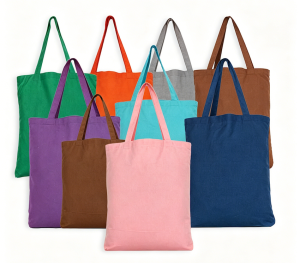
When guests arrive at a luxury resort or check into a five-star hotel, they expect thoughtful touches that make their stay memorable. One of the most practical yet powerful branding tools that hospitality businesses are using today is the humble tote bag. What was once considered just a simple shopping accessory has transformed into a strategic marketing asset that travels with guests long after they leave the property.
Hotels, resorts, and airlines have discovered that custom tote bags serve multiple purposes simultaneously—they function as room amenities that guests appreciate, merchandise that generates additional revenue, and loyalty rewards that strengthen customer relationships.
The hospitality industry is constantly searching for ways to stand out in a competitive market while creating lasting impressions on their guests. Custom tote bags have emerged as an elegant solution that checks all these boxes.
Unlike single-use items that guests discard, a quality tote bag becomes a functional part of their daily lives, keeping your brand visible and top-of-mind long after their vacation ends.
Benefits of Tote Bags in the Hospitality Industry: – 1
1.The Strategic Value of Tote Bags as Room Amenities:
Hotels and resorts have traditionally offered guests complimentary items like toiletries, slippers, and robes. Today, many properties are adding branded tote bags to this collection of amenities. This shift represents a smart evolution in hospitality marketing because these bags serve practical purposes during the guest’s stay while creating a tangible reminder of their experience.
When a guest unpacks in their room and discovers a high-quality tote bag with the hotel’s logo, they immediately perceive added value.
They can use it to carry items to the beach, transport purchases from the gift shop, or organize their belongings while traveling. This utility makes the item feel like a genuine gift rather than promotional merchandise. Guests naturally want to take these bags home because they’re actually useful, unlike some amenities that end up forgotten in hotel rooms.
The psychological impact of this approach shouldn’t be underestimated.
When guests use these tote bags at home, they’re essentially becoming brand ambassadors. Their friends, family members, and colleagues see the hotel’s name and branding regularly. This passive advertising is incredibly valuable because it comes with the endorsement of someone the viewer knows and trusts. The guest is, in effect, recommending the property simply by using the bag.
Properties that invest in premium tote bags—those made from durable materials like organic cotton, canvas, or recycled materials—send a message about their commitment to quality. Budget travelers might appreciate any free item, but luxury-focused guests expect amenities that reflect the property’s standards. A flimsy tote bag would undermine the hotel’s brand positioning, while a beautifully designed, well-made bag reinforces the message that this is a property that cares about details.
Benefits of Tote Bags in the Hospitality Industry: – 2
2.Generating Revenue Through Gift Shop Sales
Beyond providing complimentary totes to guests, many hospitality properties have discovered that branded tote bags are bestsellers in their gift shops. Guests who didn’t receive a complimentary bag during their stay often want to purchase one as a souvenir. Additionally, guests who did receive one might want to buy extras for friends and family members who couldn’t join them on the trip.
This represents a straightforward revenue opportunity with impressive margins. The cost to produce a quality tote bag in bulk is relatively modest, typically ranging from five to fifteen dollars depending on materials and customization. Resorts and hotels typically mark these items up significantly, selling them for thirty to fifty dollars or more. For a resort that hosts thousands of guests annually, this can translate into meaningful additional revenue.
The gift shop merchandising strategy works particularly well at destination properties where guests are looking for authentic souvenirs.
A tote bag featuring the resort’s name and location serves as a practical reminder of the vacation that guests will actually use. This makes it more appealing than traditional souvenirs that might sit on a shelf collecting dust.
Some properties have gotten creative with their gift shop approach by offering multiple tote bag designs.
A beachfront resort might sell one design featuring their signature logo and another with local artwork or a unique pattern that reflects the destination’s culture. This variety encourages repeat purchases and appeals to guests with different aesthetic preferences. The bags become collectible items for frequent visitors to the property.
Benefits of Tote Bags in the Hospitality Industry: – 3
3.Loyalty Programs and Premium Perks
Airlines and hotel chains have incorporated branded tote bags into their loyalty reward programs with impressive results. These programs typically offer members the chance to earn points or miles through stays and purchases, which can then be redeemed for various rewards. Adding branded tote bags to the reward catalog appeals to members who want something tangible and practical rather than just additional points.
When loyalty program members receive a branded tote bag as a reward, they’re getting something they’ll actually use.
This differs from many abstract rewards that don’t provide immediate satisfaction. A guest who earns enough points to claim a tote bag from their favorite airline can start using it right away, and every time they carry it, they remember the airline that gave it to them. This creates a positive emotional association that strengthens loyalty.
Airlines particularly benefit from this strategy because their branded tote bags can be used for carry-on luggage, making them especially practical for frequent flyers.
A traveler who regularly uses an airline-branded tote for their carry-on items is constantly reminded of their loyalty status and the benefits they receive. This visibility serves as a daily reinforcement of their membership value.
Hotel chains have used similar strategies, offering branded totes as rewards for reaching certain membership tiers or completing specific challenges within the loyalty program.
Some properties offer limited-edition designs that are only available to elite members, creating an aspirational element that encourages guests to increase their engagement with the brand.
Design and Branding Considerations:
Creating an effective branded tote bag requires thoughtful design that balances aesthetics with functionality. The best hotel and resort totes feature clean, sophisticated designs that reflect the property’s brand identity. Rather than cluttering the bag with excessive logos and text, successful designs typically feature a single, well-placed logo or a minimalist design that incorporates the property’s signature colors.
The choice of materials significantly impacts how guests perceive the tote bag.
Canvas and organic cotton convey quality and sustainability, appealing to environmentally conscious travelers. Recycled materials are increasingly popular among properties that want to emphasize their commitment to sustainability. The material choice should align with the property’s brand positioning—a luxury resort should invest in premium materials, while a budget-friendly chain might opt for durable but more economical options.
Color selection matters tremendously.
Neutral colors like natural canvas, black, or white tend to be most versatile and appealing to the widest audience. However, some properties successfully use signature colors that match their brand identity. A tropical resort might use a vibrant turquoise or coral, while a mountain lodge might choose earth tones. The key is ensuring the color complements the logo design and remains visually appealing even after extended use.
Practical design elements enhance the bag’s utility and appeal.
Reinforced handles that can support significant weight, inner pockets for organization, and a sturdy base that allows the bag to stand independently all contribute to a superior product that guests will actually use. These details might add slightly to production costs, but they dramatically increase the likelihood that guests will treasure the bag and use it frequently.
Creating Memorable Unboxing Moments:
The presentation of a branded tote bag as a room amenity significantly impacts how guests perceive it. Rather than simply leaving the bag on a bed or in a closet, forward-thinking properties present it thoughtfully. Some hotels place the tote in the room with a welcome note explaining its purpose and encouraging guests to use it during their stay. Others include the bag as part of a welcome package alongside other amenities.
The unboxing experience creates an opportunity to reinforce the property’s brand and hospitality values.
When a guest opens their room to find a beautiful tote bag waiting for them, it signals that the property has invested in quality amenities and cares about their comfort. This moment of discovery often gets shared on social media, providing organic marketing exposure.
Some innovative properties have included personalization touches, such as embroidering the guest’s name on the bag or including a handwritten welcome note inside.
These details transform a promotional item into a personal gift that guests feel specially chosen for them. The emotional impact of this personalization often results in guests sharing photos and reviews that highlight the property’s attention to detail.
Sustainability and Brand Values:
Today’s travelers increasingly care about environmental impact, making sustainable tote bags an excellent way for hospitality brands to align with guest values. Using bags made from organic cotton, recycled materials, or other eco-friendly options demonstrates a commitment to sustainability that resonates with conscious consumers.
When hotels and resorts choose sustainable options, they often communicate this choice to guests, turning the tote bag into a statement about the property’s environmental values. Guests who receive a tote bag made from recycled plastic bottles or organic cotton feel good about using it because they know it reflects responsible practices. This positive association extends to how guests perceive the entire property.
Airlines have been particularly successful with this approach, using sustainable tote bags as part of their broader environmental initiatives. When an airline offers a tote bag made from recycled materials as a loyalty reward, it reinforces their commitment to reducing waste and environmental responsibility. Frequent flyers who use these bags appreciate that their airline is taking concrete steps toward sustainability.
Measuring Success and ROI:
Hospitality properties can measure the success of their tote bag initiatives through several metrics. Guest satisfaction surveys can reveal how much guests appreciate the bags as amenities and whether they influence overall satisfaction ratings. Gift shop sales data provides clear insight into how many guests purchase additional totes, indicating strong market demand.
The broader impact on brand awareness can be assessed through social media mentions and hashtags. Many guests photograph and share their branded totes online, providing free marketing exposure. Tracking these mentions helps properties understand the organic reach and impact of their tote bag strategy.
Loyalty program data offers another measurement opportunity. Properties can track how frequently members redeem totes compared to other rewards, indicating preference levels. If branded totes are among the most popular redemption options, it suggests the strategy is resonating with the target audience.
Conclusion:
Custom tote bags have become far more than simple promotional merchandise in the hospitality industry. They represent a strategic approach to branding that creates value for both guests and properties. By serving as practical amenities, revenue-generating gift shop items, and desirable loyalty rewards, branded totes offer multiple benefits simultaneously. Hotels, resorts, and airlines that invest in quality designs and premium materials find that these bags become cherished possessions that guests use regularly and proudly display.
The success of this strategy lies in understanding that guests value practicality and quality. A well-made, thoughtfully designed tote bag becomes a functional part of guests’ lives, ensuring that your brand travels with them long after they’ve returned home.
As the hospitality industry continues evolving, branded tote bags will likely remain a cornerstone of smart branding strategies that guests actually want to keep and use.
FAQs About Tote Bags in the Hospitality Industry: – 1
1.Why are tote bags becoming popular amenities in hotels and resorts?
Tote bags offer a practical and reusable item that guests can use during their stay and afterward. Unlike disposable items, they provide ongoing brand exposure as guests carry them around. Their usefulness and durability make them appreciated gifts that enhance the guest experience without feeling like cheap giveaways.
2.What materials are best for hospitality tote bags?
Canvas and organic cotton are popular choices due to their durability, natural feel, and eco-friendliness. Recycled materials are also gaining traction as sustainability becomes more important. The material should align with the hotel or resort’s brand image—luxury properties often choose premium fabrics, while casual destinations may opt for sturdy but cost-effective options.
3.How can tote bags boost gift shop sales?
Branded tote bags make appealing souvenirs that guests want to buy for themselves or as gifts. Offering multiple designs or limited editions can encourage repeat purchases. Since tote bags have a relatively low production cost but can be sold at a premium price, they create a profitable revenue stream for gift shops.
FAQs About Tote Bags in the Hospitality Industry: – 2
4.Can airlines use tote bags effectively for branding?
Absolutely. Airlines often use branded totes as carry-on bags or loyalty program rewards. These bags are highly visible when travelers use them at airports and during flights, providing constant brand reinforcement. Practical features like sturdy handles and appropriate size for travel essentials increase their appeal.
5.Are there ways to personalize tote bags for guests?
Yes. Personalization options include adding the guest’s name, stay dates, or a custom message embroidered or printed on the bag. This creates a stronger emotional connection and makes the item feel like a special keepsake rather than generic merchandise.
6.How do branded tote bags support sustainability efforts?
Using eco-friendly materials such as organic cotton or recycled fabrics reduces environmental impact. Promoting these choices communicates a property’s commitment to sustainability, which aligns well with the values of many modern travelers. It also enhances the brand’s reputation as socially responsible.
FAQs About Tote Bags in the Hospitality Industry: – 3
7.What design tips help make tote bags more attractive to guests?
Simple, elegant designs with clear branding work best. Avoid overcrowding with logos or text. Choose colors that reflect the property’s identity but remain versatile for everyday use. Adding functional features like pockets or reinforced handles can increase usability and appeal.
8.How can hotels measure the success of their tote bag programs?
Tracking guest feedback through surveys can reveal how much guests appreciate the bags. Gift shop sales data shows commercial success, while social media engagement offers insights into brand visibility. Loyalty program redemption rates help gauge how well tote bags perform as rewards.
9.Are tote bags suitable for all types of hospitality businesses?
While most types of properties can benefit, the style and material of the tote bag should fit the business’s target market and brand positioning. Luxury resorts might prefer high-end fabrics and minimalist designs, while budget hotels might choose practical, cost-effective options.
10.What is the average cost to produce branded tote bags?
Costs generally range from $5 to $15 per bag depending on materials, size, and customization level. Bulk orders usually reduce per-unit costs significantly. This affordable production cost combined with high perceived value makes them an excellent promotional investment.