


Laminated vs. PP Woven vs. Cotton Tote Bags: A Side-by-Side Comparison for Retailers!
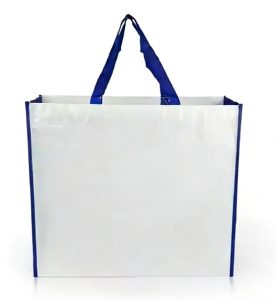
Choosing the right tote bag material for your retail business is more important than you might think. The bags you offer to customers reflect your brand’s values, durability standards, and commitment to quality. Whether you’re running a boutique clothing store, a grocery chain, or an eco-conscious gift shop, the material you select will influence customer satisfaction, repeat business, and your bottom line.
Three materials dominate the tote bag market today: laminated bags, PP woven bags, and cotton tote bags. Each comes with its own set of advantages and limitations. Understanding the differences between these options will help you make an informed decision that aligns with your business needs, budget, and environmental goals.
This comprehensive guide breaks down everything you need to know about these three popular materials so you can confidently select the best option for your retail operation.
Laminated vs. PP Woven vs. Cotton Tote Bags for Retailers: – 1
1.Understanding Laminated Tote Bags:
Laminated tote bags are made from woven fabric that has been coated with a plastic layer, typically polypropylene or polyethylene. This coating gives the bags a shiny, waterproof finish and makes them resistant to wear and tear. The lamination process creates a barrier that protects the underlying fabric from moisture, stains, and general damage.
One of the biggest advantages of laminated bags is their durability.
The plastic coating prevents the fabric from fraying and extends the bag’s lifespan significantly. These bags can withstand heavy use, making them ideal for retailers who want their customers to keep the bags for years. The waterproof nature means customers can confidently carry wet groceries, damp clothing, or items that might leak without worrying about damaging their purchases or the bag itself.
Laminated bags also offer excellent printability.
The smooth, plastic surface accepts ink beautifully, allowing for vibrant, detailed branding. If your retail business relies on eye-catching designs and high-quality logos, laminated bags provide a professional canvas. The prints resist fading and washing, maintaining their appearance even after repeated use and cleaning.
However, laminated bags do have drawbacks.
They’re not biodegradable, which can be a concern for environmentally conscious consumers. The plastic coating makes them less breathable than natural materials, and some customers may find them less comfortable to carry, especially in warm weather. Additionally, laminated bags tend to be more expensive than cotton alternatives, though they often cost less than premium PP woven options.
Laminated vs. PP Woven vs. Cotton Tote Bags for Retailers: – 2
2.Exploring PP Woven Tote Bags
PP woven bags, also called polypropylene woven bags, are constructed from woven polypropylene fabric. This material is created by weaving thin plastic strips together to form a strong, durable fabric. Many retailers recognize these bags as the standard shopping bags used in grocery stores and retail chains worldwide.
The strength of PP woven bags is remarkable.
They can carry significantly heavier loads than cotton bags without tearing or stretching. This makes them perfect for retailers selling heavier items like groceries, books, or hardware products. The woven structure creates a tight, compact fabric that resists punctures and tears from sharp objects or rough handling.
PP woven bags are lightweight yet sturdy, making them comfortable for customers to carry even when fully loaded.
They’re also relatively affordable to produce, which means retailers can offer them at competitive prices or use them as promotional items without breaking the bank. The material is water-resistant, though not completely waterproof like laminated options, making them suitable for most retail environments.
Customization is another strong point for PP woven bags.
The fabric accepts screen printing well, and manufacturers can easily create multi-color designs. Many PP woven bags come with laminated or non-laminated finishes, giving retailers options to balance cost and durability.
The main disadvantage of PP woven bags is their environmental impact.
Like laminated bags, they’re plastic-based and not biodegradable. They take hundreds of years to decompose in landfills, which concerns retailers and consumers focused on sustainability. Additionally, while durable, PP woven bags may show wear over time, with the fabric potentially fraying at edges if not properly finished.
Laminated vs. PP Woven vs. Cotton Tote Bags for Retailers: – 3
3.The Case for Cotton Tote Bags
Cotton tote bags represent the eco-friendly choice in the tote bag market. Made from natural cotton fabric, these bags appeal to environmentally conscious consumers and retailers committed to sustainable practices. Cotton is renewable, biodegradable, and compostable, making it the most environmentally responsible option among the three materials.
Cotton bags offer a premium feel that many customers appreciate.
The natural texture and appearance suggest quality and care, making them excellent for upscale retailers, boutiques, and specialty stores. Customers often view cotton bags as reusable investments rather than disposable items, increasing the likelihood they’ll use them repeatedly and carry your brand into their daily lives.
The breathability of cotton is another significant advantage.
Unlike plastic-coated or plastic-based bags, cotton allows air circulation, making it comfortable to carry even in hot weather. Customers appreciate this practical benefit, especially for grocery shopping or outdoor activities.
Cotton bags are also highly versatile in terms of customization.
They can be dyed in various colors, embroidered with logos, screen-printed with designs, or even woven with patterns. This flexibility allows retailers to create unique, branded bags that stand out and reflect their brand personality.
However, cotton bags do have limitations.
They’re less water-resistant than laminated or PP woven options, which can be problematic if customers are carrying wet items. Cotton is also more prone to staining and requires more careful washing to maintain appearance. Additionally, cotton bags typically cost more than PP woven bags and sometimes more than laminated options, making them a pricier choice for retailers looking to maximize margins.
Laminated vs. PP Woven vs. Cotton Tote Bags for Retailers: – 4
4.Comprehensive Material Comparison Table:
To help you make the best decision for your retail business, here’s a detailed comparison of all three materials across key factors:
| Factor | Laminated Bags | PP Woven Bags | Cotton Bags |
|---|---|---|---|
| Durability | Very High (5-10 years) | High (3-7 years) | Medium (2-5 years) |
| Weight Capacity | Medium (10-15 lbs) | Very High (20-30 lbs) | Medium (10-15 lbs) |
| Water Resistance | Excellent (Waterproof) | Good (Water-Resistant) | Poor (Absorbent) |
| Environmental Impact | Low (Non-biodegradable) | Low (Non-biodegradable) | High (Biodegradable) |
| Cost per Unit | Medium ($0.50-$1.50) | Low ($0.30-$1.00) | High ($1.00-$3.00) |
| Print Quality | Excellent | Very Good | Good |
| Comfort Level | Medium | High | Very High |
| Breathability | Low | Low | Very High |
| Customization Options | Good | Very Good | Excellent |
| Aesthetic Appeal | Modern/Sleek | Standard/Practical | Premium/Natural |
| Maintenance | Easy (Wipe clean) | Easy (Wash) | Moderate (Careful washing) |
| Reusability | High (Customers keep them) | High (Customers keep them) | Very High (Preferred for reuse) |
| Suitable for Heavy Items | Moderate | Excellent | Moderate |
| Suitable for Wet Items | Excellent | Good | Poor |
| Brand Perception | Professional | Practical | Eco-conscious/Premium |
| Shelf Life | Excellent (Doesn’t degrade) | Very Good | Good (Can fade) |
Making the Right Choice for Your Retail Business:
Selecting between these three materials depends on several factors specific to your business.
First, consider what types of products you’re selling.
If you primarily sell groceries, hardware, or other heavy items, PP woven bags are your best bet due to their superior weight capacity. For boutique retailers selling clothing or gifts, laminated or cotton bags might better match your brand image.
Your target customer base matters significantly.
Environmentally conscious shoppers will gravitate toward cotton options and may actively avoid plastic bags. Budget-conscious consumers appreciate the affordability of PP woven bags. Upscale customers often expect premium cotton or high-quality laminated options.
Budget is another critical consideration.
If you’re looking to provide bags at minimal cost, PP woven bags offer the best value. If you want to invest in brand reputation through quality bags, cotton or laminated options justify the higher expense. Many successful retailers use a combination approach, offering different bag types for different purposes or customer segments.
Your brand values should guide your decision.
If sustainability is central to your business identity, cotton is the clear choice despite higher costs. If you emphasize durability and protection of customer purchases, laminated bags deliver. For practical, everyday retail operations, PP woven bags provide excellent balance across multiple factors.
Practical Implementation Tips for Retailers:
Once you’ve decided on a material, implementation matters. Order in quantities that match your actual usage to avoid waste. Many suppliers offer bulk discounts that make larger orders more economical. Consider seasonal variations in your business when planning inventory.
Branding is crucial regardless of which material you choose.
Invest in quality printing or embroidery that reflects your brand professionally. Customers notice details, and poorly printed bags can actually damage your brand perception rather than enhance it. Work with reputable manufacturers who have experience with your chosen material.
Don’t overlook the handle design and bag construction.
Reinforced handles prevent bags from breaking under load, reducing customer frustration and returns. Double stitching and quality seams make a significant difference in how long bags last and how they perform during heavy use.
Conclusion:
Laminated, PP woven, and cotton tote bags each serve different retail needs and customer preferences. Laminated bags excel at protection and durability with excellent branding potential. PP woven bags offer unbeatable strength and affordability for heavy-duty retail operations. Cotton bags provide the eco-friendly, premium option for retailers wanting to appeal to conscious consumers and build lasting brand loyalty.
The best choice depends on your specific business situation, customer base, budget, and brand values. Many successful retailers don’t limit themselves to just one option. Consider your primary needs, test different materials with customers, and gather feedback.
The investment in choosing the right tote bag material will pay dividends through increased customer satisfaction, improved brand perception, and better long-term business results. Take time to evaluate these options carefully, and you’ll select the perfect tote bag solution for your retail operation.
FAQs: – 1
1. Which tote bag material is the most environmentally friendly?
Cotton tote bags are generally the most environmentally friendly option because cotton is a natural, renewable resource that biodegrades over time. Unlike laminated and PP woven bags, which make from plastics and can take hundreds of years to decompose, cotton breaks down much faster in composting environments. However, keep in mind that cotton production can have a high water and pesticide footprint unless organic cotton is used.
2. Are laminated bags waterproof or just water-resistant?
Laminated bags are typically waterproof due to the plastic coating applied on the woven fabric. This coating acts as a barrier, preventing water from seeping through the material. This makes laminated bags ideal for carrying wet or damp items without risk of leaking or damaging the bag.
3. Can PP woven bags be recycled?
PP woven bags make from polypropylene, a type of plastic that is recyclable in many areas. However, recycling facilities vary in their ability to process these materials. Retailers should check with local recycling programs to determine if PP woven bags can be recycled in their region. Encouraging customers to reuse these bags multiple times before disposal also helps reduce environmental impact.
FAQs: – 2
4. How durable are cotton tote bags compared to laminated and PP woven bags?
Cotton bags tend to be less durable than laminated or PP woven bags, especially when exposed to heavy loads or wet conditions. Cotton can wear out faster, especially if not cared for properly. Laminated bags offer excellent durability through their plastic coating, while PP woven bags are popular for their strength and ability to carry heavier weights without tearing.
5. Which bag type offers the best print quality for branding?
Laminated bags often provide the best surface for vibrant and detailed printing because the smooth plastic coating allows ink to adhere well and resist fading. PP woven bags also allow good print quality but may not be as crisp as laminated surfaces. Cotton bags can be printed on using various methods, like screen printing or embroidery, but colors may appear softer and designs less sharp compared to laminated options.
6. Are cotton tote bags easy to clean?
Cotton tote bags are washable, but they require more care than laminated or PP woven bags. They should be washed gently by hand or in a machine on a delicate cycle with mild detergent to avoid shrinking or fading. Laminated and PP woven bags are easier to wipe clean with a damp cloth due to their plastic surfaces.
FAQs: – 3
7. Can laminated and PP woven bags handle heavy groceries?
PP woven bags are generally better suited for carrying heavy groceries because of their strong woven construction, which supports higher weight loads without tearing. Laminated bags can handle moderate weights but might not perform as well under very heavy loads or sharp items. Cotton bags are best for lighter to medium weights.
8. What is the typical cost difference between these bag types?
PP woven bags tend to be the most affordable option, followed by laminated bags at a moderate price point. Cotton tote bags usually cost more due to the natural material and production processes involved. Pricing can vary based on size, design complexity, and order volume.
9. Which bag type do customers prefer for repeated use?
Customers who prioritize sustainability and comfort often prefer cotton tote bags because of their natural feel and breathability. However, those needing durable, waterproof options might choose laminated bags. PP woven bags strike a balance between durability and cost, making them popular for everyday shopping.
10. How do these materials impact my brand image as a retailer?
The tote bag material you choose sends a message about your brand priorities. Cotton bags suggest eco-consciousness and quality craftsmanship. Laminated bags communicate professionalism and durability. PP woven bags emphasize practicality and value. Aligning your choice with your brand identity helps reinforce your message to customers.