


What does 80 GSM mean for a non-woven drawstring bag:A Complete Guide!
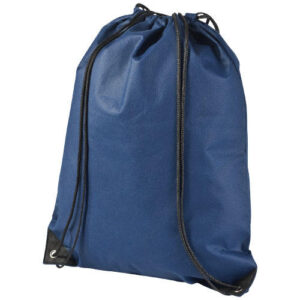
When you’re shopping for non-woven drawstring bags, you’ll often come across the term “80 GSM” printed on the product description. But what does this mysterious number actually mean, and why should you care about it? Understanding GSM is crucial if you want to make an informed decision about which bag will best suit your needs.
Ob Sie nun a business owner looking to order promotional bags, an environmentally conscious consumer seeking sustainable packagingoder einfach someone curious about product specifications, this guide will help you understand everything you need to know about 80 GSM non-woven drawstring bags and how they compare to other options available in the market.
Understanding GSM: The Basics
GSM stands for “grams per square meter,” and it’s a measurement used to indicate the weight and density of fabric. Think of it this way: if you took a piece of non-woven material that measured exactly one meter by one meter and weighed it on a scale, the number you’d get in grams is the GSM rating. This simple measurement tells you a lot about the quality, durability, and thickness of the fabric.
The higher the GSM number, the thicker and heavier the material becomes. An 80 GSM non-woven drawstring bag considers a lightweight option in the non-woven bag market. It’s thinner than some alternatives but still sturdy enough for many everyday applications. The beauty of understanding GSM is that it gives you a standardized way to compare different bags from different manufacturers. You’re not relying on vague descriptions like “thick” or “durable”—you have concrete numbers to work with.
Non-woven fabric itself makes by bonding fibers together through heat, pressure, or chemical processes, rather than by weaving or knitting them like traditional textiles. This manufacturing process creates a material that’s affordable, lightweight, and surprisingly durable. The GSM measurement helps determine exactly how much of this material you’re getting in each bag.
What 80 GSM Means for Your Drawstring Bag?
An 80 GSM non-woven drawstring bag represents a sweet spot for many applications. At this weight, the bag is light enough to be comfortable to carry and affordable to produce or purchase in bulk, yet it’s substantial enough to hold regular items without tearing. The fabric has enough density to provide decent protection for whatever you’re carrying, whether that’s Lebensmittel, clothing, Bücher, oder Werbeartikel.
The thickness of an 80 GSM non-woven bag is approximately 0.15 to 0.2 millimeters, making it noticeably thicker than thin plastic bags but not as heavy as canvas or thicker non-woven options. When you hold an 80 GSM bag, it should feel sturdy and reliable without being stiff or overly rigid. The material will have a slight give to it, allowing it to conform to the shape of its contents while still maintaining structural integrity.
One of the practical advantages of 80 GSM bags is their versatility. They work well for retail shopping, promotional giveaways at events, storage purposes, and even as gym bags oder travel accessories. The drawstring closure adds convenience, allowing users to easily open and close the bag while keeping contents secure. The combination of 80 GSM non-woven fabric with drawstring functionality creates a practical, user-friendly product that appeals to a wide range of consumers.
Comparing GSM Levels: A Practical Breakdown
To truly understand what 80 GSM means, it’s helpful to see how it stacks up against other common GSM ratings in the non-woven bag market. Different GSM levels serve different purposes, and knowing the differences helps you choose the right bag for your specific needs.
Bags rated at 60 GSM are considered very lightweight and economical. These are often used for single-use applications, promotional giveaways where durability isn’t the primary concern, or situations where cost is the main factor. A 60 GSM bag will feel noticeably thinner and more delicate than an 80 GSM option. They’re suitable for lightweight items and short-term use, but repeated use or carrying heavier items can lead to wear and tear more quickly.
Moving up to 80 GSM, you get a noticeable improvement in durability and feel. These bags are suitable for regular use and can handle moderate weight without concern. They’re the most popular choice for retail applications and promotional merchandise because they offer an excellent balance between cost and quality.
At 100 GSM, you’re entering the realm of heavy-duty bags. These are significantly thicker and more durable than 80 GSM options. They’re ideal for carrying heavier items, repeated use, and situations where the bag needs to last a long time. The trade-off is that they cost more to manufacture and purchase, and they’re heavier to carry.
For comparison, bags rated at 120 GSM or higher are considered premium quality. These are often used for luxury brand promotions, specialty applications, or situations where durability is paramount. They feel substantial and high-quality but come at a premium price point.
Performance Comparison Table:
Here’s a detailed comparison of different GSM ratings and their performance characteristics:
| GSM Rating | Thickness (mm) | Weight Per Bag | Durability | Best Use Case | Cost Level | Tear Resistance | Water Resistance |
|---|---|---|---|---|---|---|---|
| 60 GSM | 0.10-0.12 | 25-35g | Low | Single-use, light items | Very Low | Poor | Fair |
| 80 GSM | 0.15-0.20 | 40-50g | Medium | General retail, promotional | Low | Good | Good |
| 100 GSM | 0.22-0.28 | 55-70g | High | Heavy items, frequent use | Medium | Very Good | Very Good |
| 120 GSM | 0.30-0.35 | 75-90g | Very High | Premium, luxury brands | High | Excellent | Excellent |
| 150 GSM | 0.38-0.45 | 100-120g | Premium | High-end, specialty use | Very High | Excellent | Excellent |
This table shows the progression of quality and performance as GSM increases. Notice how thickness, weight, and durability all increase together. The cost also increases significantly, which is why choosing the right GSM for your needs is important—you want to spend enough to get adequate durability but not so much that you’re overpaying for features you don’t need.
What does 80 GSM mean for a non-woven drawstring bag: – 1
1.Durability and Longevity: What Can 80 GSM Handle?
An 80 GSM non-woven drawstring bag is designed to handle regular, everyday use. The durability of these bags depends on several factors beyond just the GSM rating, including the quality of the stitching, the strength of the drawstring, and how the bag is used.
In real-world conditions, an 80 GSM bag can typically be used for multiple shopping trips without any issues. The fabric won’t easily tear or puncture when carrying normal grocery items, books, or clothing. If you’re carrying sharp objects or very heavy items repeatedly, you might see faster wear, but for typical use, these bags last a surprisingly long time. Many people report using the same 80 GSM bag dozens of times before any visible deterioration occurs.
The drawstring mechanism is another important factor in durability. A well-made drawstring won’t fray or break easily, and the stitching where the drawstring is attached should be reinforced to prevent tearing. The quality of these components can vary between manufacturers, so it’s worth checking reviews or examining the bag in person if possible.
Temperature also affects the longevity of non-woven bags. While they’re generally stable across a wide temperature range, extreme heat can potentially cause the fibers to weaken. Similarly, prolonged exposure to direct sunlight can cause some degradation over time. However, for typical indoor and outdoor use, this isn’t usually a concern.
What does 80 GSM mean for a non-woven drawstring bag: – 2
2.Cost Considerations and Value
One of the biggest advantages of 80 GSM bags is their cost-effectiveness. They’re significantly cheaper than higher GSM options while still offering decent durability. For businesses ordering bags in bulk, this cost difference can be substantial. A 100-unit order of 80 GSM bags might cost 30 to 40 percent less than the same quantity of 100 GSM bags.
When calculating the value of an 80 GSM bag, consider the expected lifespan and frequency of use. If you’re using the bag for a one-time event or promotional giveaway, 80 GSM is probably the sweet spot—customers get a useful item without you having to spend premium prices. If you’re buying bags for personal use and plan to use them dozens of times, 80 GSM still represents excellent value. You’d need to use a 100 GSM bag significantly more times to justify the extra cost.
For retailers and e-commerce businesses, offering 80 GSM drawstring bags as packaging strikes a good balance. Customers perceive the bag as high-quality and useful, but your packaging costs remain reasonable, protecting your profit margins.
What does 80 GSM mean for a non-woven drawstring bag: – 3
3.Environmental Impact and Sustainability
Non-woven bags, regardless of GSM rating, are generally more environmentally friendly than single-use plastic bags. An 80 GSM non-woven drawstring bag can be reused dozens or hundreds of times, significantly reducing the need for disposable bags.
The environmental impact of an 80 GSM bag is lower than heavier options simply because less material is used. Manufacturing uses less energy, transportation creates fewer emissions due to lighter weight, and the overall resource consumption is reduced. However, the bag is still durable enough to last for years, making it a responsible choice for environmentally conscious consumers.
Many non-woven bags are also recyclable, though this depends on local recycling facilities and the specific materials used. Some manufacturers now produce non-woven bags from recycled materials, making them even more sustainable. The 80 GSM rating doesn’t affect recyclability—it’s more about the material composition than the weight.
What does 80 GSM mean for a non-woven drawstring bag: – 4
4.Practical Applications for 80 GSM Drawstring Bags
The versatility of 80 GSM non-woven drawstring bags makes them suitable for numerous applications. Retail stores use them for customer purchases, offering a reusable alternative to plastic bags while maintaining a professional appearance. The drawstring feature adds convenience, allowing customers to easily carry their purchases.
Promotional companies frequently use 80 GSM bags for corporate giveaways and branded merchandise. The bags are affordable enough to produce in large quantities but high-quality enough to reflect well on the brand. Custom printing on the bag adds marketing value without significantly increasing costs.
Fitness enthusiasts and travelers appreciate 80 GSM drawstring bags for their lightweight nature and adequate capacity. They’re perfect for gym clothes, travel accessories, or organizing items in a larger suitcase. The drawstring keeps everything contained and secure.
Educational institutions use these bags for student events, book sales, and promotional activities. Libraries sometimes offer them as incentives for donations or library card sign-ups. The practical nature of the bags means they actually get used, extending brand visibility.
Schlussfolgerung:
Understanding what 80 GSM means for a non-woven drawstring bag empowers you to make informed purchasing decisions. It’s a measurement that tells you about the thickness, weight, and durability of the fabric, helping you compare options objectively across different manufacturers and suppliers.
An 80 GSM non-woven drawstring bag represents an excellent middle ground in the market. It’s not the cheapest option, but it’s far more affordable than premium alternatives. It’s not the most durable option available, but it’s certainly durable enough for regular use and multiple years of service. This balance is exactly why 80 GSM has become such a popular standard in the industry.
Whether you’re ordering bags for business purposes, personal use, or Werbegeschenke, understanding GSM helps you get the best value for your money. Consider your specific needs, expected frequency of use, and budget constraints. For most everyday applications, 80 GSM delivers the quality and durability you need at a price point that makes sense.
If you need something lighter and cheaper, 60 GSM works fine for single-use situations. If you need maximum durability for heavy or frequent use, upgrade to 100 GSM or higher. But for the majority of people and purposes, 80 GSM non-woven drawstring bags are simply the smart choice.
FAQs: – 1
1.What does GSM stand for, and why is it important?
GSM means grams per square meter. It measures the weight and thickness of fabric. For non-woven bags, knowing the GSM helps you understand how durable, thick, and heavy the material is, allowing you to pick the right bag for your needs.
2.Is 80 GSM considered thick or thin for a non-woven bag?
80 GSM considers a medium weight for non-woven bags. It strikes a balance between being lightweight and durable, making it suitable for everyday use without feeling flimsy.
3.Can an 80 GSM non-woven drawstring bag hold heavy items?
An 80 GSM bag can carry moderate weight such as groceries, books, or clothing comfortably. However, for very heavy or sharp objects, a higher GSM like 100 or above would be more reliable.
FAQs: – 2
4.How does 80 GSM compare to 60 GSM and 100 GSM bags?
Compared to 60 GSM, 80 GSM bags are thicker and more durable, suitable for repeated use. Compared to 100 GSM, they are lighter and less expensive but slightly less durable.
5.Are 80 GSM non-woven bags reusable?
Yes, these bags design for reuse and can last through multiple uses if handled properly.
6.Are 80 GSM non-woven bags environmentally friendly?
They are more eco-friendly than single-use plastic bags due to their reusability and lower material use compared to heavier bags. Some also make from recycled materials and can be recyclable depending on local facilities.
FAQs: – 3
7.Will an 80 GSM bag withstand rain or moisture?
Non-woven fabric offers some resistance to water but isn’t fully waterproof. Light moisture won’t damage the bag immediately, but prolonged exposure to water may weaken the material.
8.Can I customize an 80 GSM non-woven drawstring bag with printing?
Yes, these bags can easily print on with logos, slogans, or designs, making them ideal for promotional purposes.
9.How should I care for an 80 GSM non-woven bag?
To extend its lifespan, avoid overloading it with heavy or sharp items. If it gets dirty, spot clean with mild soap and water. Avoid machine washing or drying as this can damage the fabric.
10.Is 80 GSM standard across all manufacturers?
While 80 GSM generally refers to the same weight range, slight variations in fabric quality, bonding methods, and finishing can affect the feel and durability of the bag. It’s wise to check samples or reviews before purchasing large quantities.