


Survival Rate of Trade Show Swag:How long attendees actually keep different promo items?
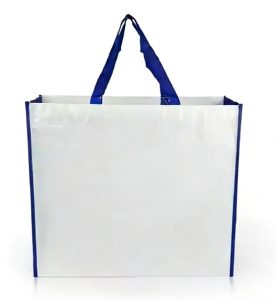
Trade shows are a massive investment for companies trying to build brand awareness and generate leads. Exhibitors spend thousands on booth design, travel, and personnel, but one of the most overlooked aspects of their strategy is what happens after the show ends. What becomes of all those branded pens, t-shirts, and tote bags handed out at the booth?
Do attendees actually use them, or do they end up in the trash within days?The answer is more nuanced than you might think. While some promotional items are forgotten almost immediately, others have a surprisingly long shelf life.
Understanding which items attendees actually keep and use can help you make smarter decisions about your trade show budget and choose giveaways that will keep your brand top-of-mind long after the event ends.
The Reality of Trade Show Swag: Most Items Don’t Make the Cut
Let’s be honest—not every promotional item handed out at a trade show is a winner. In fact, many end up in the trash or recycling bin within the first week. Research shows that attendees are selective about what they take home from trade shows. They’re walking around for hours, often visiting dozens of booths, and they don’t have unlimited space in their bags or cars.
The problem starts at the booth itself. When you hand someone a promotional item, they’re making a quick decision about whether it’s worth carrying around for the rest of the day. If it’s bulky, impractical, or not immediately useful, it’s getting left behind or discarded. This is why understanding the survival rate of different types of swag is so important. You want to choose items that people will actually want to keep and use.
The average trade show attendee will receive dozens of promotional items throughout the event. They’ll keep maybe a quarter of them, and use even fewer. The items that make it past that initial filtering tend to share certain characteristics: they’re useful, they’re not too bulky, and they have a clear purpose in the attendee’s daily life.
Survival Rate of Trade Show Swag: – 1
1.Why Tote Bags Are Trade Show Superstars?
If there’s one promotional item that consistently ranks at the top of the survival charts, it’s the humble tote bag. This might seem surprising in an age of digital everything, but tote bags have staying power that most other items can’t match.
The reason tote bags perform so well is simple: they’re genuinely useful.
Unlike a branded pen that you might already have at home, or a stress ball that serves no real purpose, a tote bag actually solves a problem. People need bags for Tragen von Lebensmitteln, Bücher, gym clothes, and a thousand other things. A well-made tote bag from a trade show can become a regular part of someone’s routine, and they’ll use it dozens of times a year.
Tote bags also benefit from what researchers call the “visibility factor.”
When someone carries a branded tote bag to the grocery store or the gym, your company’s logo is visible to everyone around them. It’s free advertising that happens organically because the person is already using the item for its intended purpose. This passive brand exposure is invaluable and explains why tote bags continue to be such popular trade show choices.
The quality of the tote bag matters significantly for its survival rate.
A flimsy, poorly made bag might use once and then abandon. A sturdy, well-constructed tote bag with good handles and a practical size can last for years. Companies that invest in higher-quality tote bags see much better long-term brand engagement compared to those that choose the cheapest option available.
Survival Rate of Trade Show Swag: – 2
2.Apparel Items: The Mixed Bag of Trade Show Success
T-shirts and other apparel items occupy an interesting middle ground in the trade show swag survival rankings. They’re better than throwaway items like keychains or stickers, but they don’t quite match the staying power of tote bags.
The challenge with apparel is that it’s personal.
A t-shirt that fits well and features a design someone actually likes might become a favorite item they wear regularly. But a poorly fitting shirt or one with a design that doesn’t resonate with the wearer will likely end up in a donation pile or used as a cleaning rag. The survival rate for apparel is heavily dependent on quality and design.
Size is another critical factor.
If your company hands out t-shirts without offering multiple sizes, you’re almost guaranteed to have a low survival rate. Someone who receives a shirt that’s too large or too small is unlikely to keep it, let alone wear it. Offering a range of sizes shows that you respect your attendees and increases the chances that they’ll actually use the item.
Hoodies and jackets tend to have higher survival rates than t-shirts because they’re more functional and less trendy.
A branded hoodie or lightweight jacket can wear in multiple seasons and situations, making it more likely to stick around in someone’s wardrobe. These items also tend to be more expensive, which means companies are more selective about handing them out, often reserving them for higher-value leads or VIP attendees.
Survival Rate of Trade Show Swag: – 3
3.Practical Items That Stand the Test of Time
Beyond tote bags, certain practical items consistently show strong survival rates. Water bottles, for example, have become increasingly popular at trade shows, and for good reason. In our health-conscious culture, people actively seek out reusable water bottles. A branded water bottle that keeps drinks at the right temperature can become a daily companion, especially for people who exercise regularly or spend time outdoors.
Notebooks and notepads also rank well in terms of survival, though perhaps not for the reasons you’d expect.
While many people have plenty of notepads at home, a branded one that’s attractive and well-designed can become a regular tool. The key is choosing a size and style that fits into people’s actual workflow. A small pocket-sized notebook is more likely to carry around and use than a large, unwieldy pad.
Drinkware items like mugs and tumblers also perform well, particularly if they’re of good quality.
A mug someone can use for their morning coffee or a tumbler for their afternoon tea becomes part of their daily routine. Every time they use it, they’re reminded of your brand. These items tend to have excellent survival rates, sometimes lasting for years.
The common thread among these successful items is that they solve real problems in people’s lives. They’re not novelties or decorative pieces. They’re things people actually need and use regularly.
Survival Rate of Trade Show Swag: – 4
4.The Short-Lived Items: What to Avoid?
Some promotional items almost guarantee to have poor survival rates. Branded pens are a classic example. While pens seem practical, most people already have plenty of them at home and at work. Unless your pen is exceptionally high-quality or unique in some way, it’s likely to end up in a drawer and forgotten.
Stress balls, fidget toys, and other novelty items typically have very short lifespans. People might play with them for a few minutes at the booth, but they rarely make it into regular use. These items often end up in the trash within days, making them poor investments for trade show budgets.
Cheap sunglasses, plastic keychains, and small gadgets also rank low in survival rates. They often give out in large quantities because they’re inexpensive, but this low cost usually correlates with low perceived value. Attendees don’t feel like they’re getting something worth keeping.
Branded merchandise that’s too specific to the company or product can also struggle. For example, a branded item that only makes sense if you’re already familiar with the company might not resonate with someone who just met you at a trade show. The best items are those that have universal appeal and usefulness.
Timing and Presentation Matter More Than You Think:
The way you present a promotional item at a trade show can significantly impact whether someone keeps it. If you simply hand someone a tote bag without any context, they might see it as just another piece of swag. But if you explain that the tote bag designs to be durable and practical for everyday use, and you highlight the quality of the materials, you’re more likely to create a positive impression that leads to the item being kept and used.
The timing of when you hand out items also matters. People who are tired and carrying heavy bags are less likely to take additional items. Offering to mail items to attendees after the show can actually result in higher survival rates because the person gets to choose whether they want it, rather than feeling obligated to take it on the spot.
Personalization can also boost survival rates. When possible, adding an attendee’s name to an item or allowing them to choose from a selection of items creates a sense of ownership and increases the likelihood they’ll keep it.
The Long-Term Value of Strategic Swag Selection:
Choosing the right promotional items for your trade show isn’t just about handing out merchandise. It’s about creating touchpoints with potential customers that will remind them of your brand long after the event ends. When someone uses a branded tote bag weekly or drinks from a branded water bottle daily, your company stays top-of-mind in a way that a pen or stress ball never could.
The investment in higher-quality, more practical items pays dividends over time. A tote bag that costs three times as much as a cheap pen but gets used for years provides far better value in terms of brand exposure and customer engagement.
Schlussfolgerung:
Trade show swag doesn’t have to be a wasted expense. By focusing on items like tote bags, water bottles, and other practical goods that people actually use, you can extend the lifespan of your brand’s presence in attendees’ lives. The key is to think about utility and quality rather than simply choosing the cheapest items available.
The next time you’re planning a trade show, remember that what matters isn’t how many items you hand out, but how long people keep them and how often they use them. Choose items that solve real problems, invest in quality, and present them in a way that emphasizes their value.
Your attendees will appreciate it, and your brand will benefit from the extended visibility that comes with items people actually want to keep.
FAQs about Survival Rate of Trade Show Swag: – 1
1.Why do tote bags rank so high in terms of survival rate compared to other promotional items?
Tote bags are highly practical and versatile. Attendees can use them daily for carrying groceries, books, or personal items. This consistent utility means the bags get regular use, which keeps your brand visible for a long time. Additionally, tote bags have enough space to display your logo clearly, turning everyday users into walking advertisements.
2.How important is the quality of the swag item in influencing whether attendees keep it?
Quality plays a crucial role in swag survival. A well-made item feels valuable and is more likely to be used repeatedly. For example, a sturdy tote bag with reinforced handles will last much longer than a cheap one and will appreciate by the user. Conversely, low-quality items often end up discarded shortly after being received.
3.Are there any promotional items that should avoid altogether?
Yes. Items like cheap pens, stress balls, plastic keychains, and novelty gadgets typically have low survival rates. They often see as gimmicks and do not offer lasting value or usefulness to the recipient. Investing in these can result in wasted budget with little brand recall.
FAQs: – 2
4.Can personalization of swag items improve their survival rate?
Absolutely. Personalization adds a sense of ownership and uniqueness to the item. When attendees receive something with their name or customized design, they are more likely to keep and use it. Offering choices among swag items also gives attendees control, increasing their attachment to the item.
5.Does the timing of handing out promotional items affect their survival?
Yes, timing matters. Giving away swag when attendees are fresh and receptive increases the chances they’ll accept and keep it. If people are tired or overloaded with other items, they may decline or discard your giveaway. Some companies opt to mail swag after the event, which can improve survival since recipients choose to keep the items.
6.How does the design of apparel affect its longevity among trade show attendees?
Apparel survival depends heavily on fit, style, and design appeal. Offering multiple sizes and creating attractive, wearable designs increases the likelihood attendees will keep and wear the clothing. Poorly fitting or unattractive items often end up unused or discarded.
FAQs: – 3
7.Is it better to choose fewer high-quality items or many low-cost items for trade shows?
Choosing fewer high-quality items generally provides better long-term value. High-quality swag uses more often and has a longer lifespan, which means your brand receives more exposure over time. Low-cost items might reach more people upfront but tend to be discarded quickly, reducing their marketing impact.
8.What role does the practicality of a promotional item play in its survival?
Practicality is one of the biggest factors influencing whether swag is kept. Items that solve everyday problems—like bags for carrying things, water bottles for hydration, or notebooks for jotting notes—are more likely to become part of an attendee’s routine. Practical swag integrates seamlessly into daily life, extending brand visibility.
9.How can companies measure the effectiveness of their trade show swag?
Effectiveness can measure through attendee surveys, tracking repeat website visits or inquiries linked to the event, and analyzing lead conversion rates from those who received swag. Observing social media mentions or photos featuring your branded items can also provide insight into how much swag is being used.
10.Are digital or tech swag items better than traditional giveaways?
Tech items like USB drives or phone chargers can be effective if they’re of good quality and relevant to your audience’s needs. However, they often come with higher costs and risks of being lost or discarded if not immediately useful. Traditional practical items like tote bags still tend to have higher survival rates due to their everyday utility.