


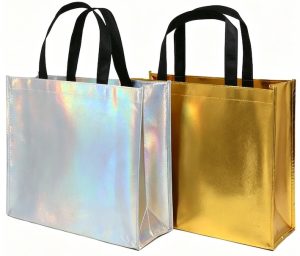
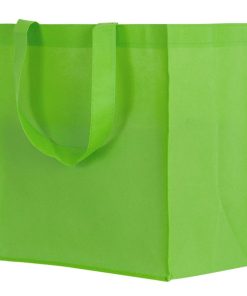
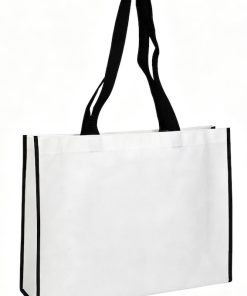
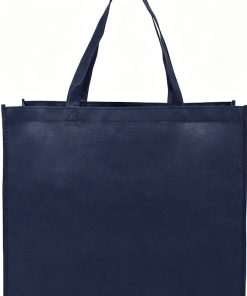
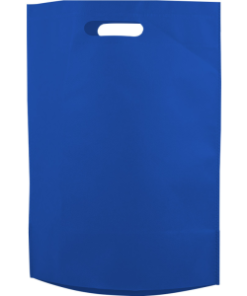
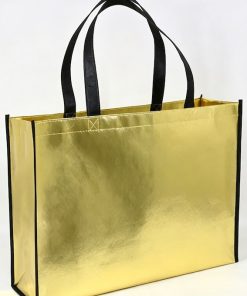
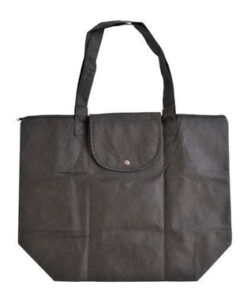
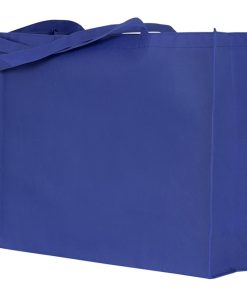
Die Handle Custom Colors Shiny Laser Silver Non Woven Bag Logo Printed for Shopping Clothes is a great budget-friendly tote bag!
- Made of 80 gsm recycled Water-resistant polypropylene.
- Metal eyelets reinforced handle for easy-to-carry.
- Help reduce waste by using reusable bags. Buy in bulk to save more!
Made from high-quality materials, these bags are built to withstand daily wear and tear, ensuring they remain in excellent condition for repeated use. Personalize these tote bags with your brand logo or message to create a lasting impression on customers, clients, or event attendees.Perfect for Lebensmitteleinkauf, Strandausflüge, Picknicks, travel, and more, these tote bags are designed to meet the demands of your busy lifestyle
Product Specification about Handle Custom Colors Shiny Laser Silver Non Woven Bag Logo Printed for Shopping Clothes:
| Item | Handle Custom Colors Shiny Laser Silver Non Woven Bag |
|---|---|
| Material | 80g Non-Woven Polypropylene |
| Größe | 16″*6“*15” |
| Handle | Non-Woven Polypropylene (X Stitching) |
| Printing | Silk screen / Heat transfer / Digital |
| MOQ | 500-1000 pcs |
| Packaging | Carton or customized packaging |
| Usage |
What Are the Advantages of Non-Woven Fiber Materials?
Non-woven fiber materials come with a toolkit of benefits that set them apart from traditional fabrics. Here’s why they’re such a popular choice across industries:
- Speed and Affordability: Non-woven fibers can produce rapidly and at a lower cost, making them the go-to for high-volume products where budget matters—think everyday masks or supermarket shopping bags.
- Adaptable Performance: Moreover, these materials aren’t just one-trick ponies. They can be engineered for specialized features like water resistance, flame retardancy, or improved filtration (key for products like HEPA filters and N95 masks).
- Hygiene and Safety: Non-wovens naturally offer good sterility and bacterial shielding, which is why you’ll find them in medical gowns, surgical wraps, and sanitary products.
- Enhanced Absorbency and Softness: The fiber arrangement allows excellent absorption, plus a soft touch—ideal for wipes, diapers, and cleaning cloths.
- Physical Resilience: Despite being lightweight and flexible, non-woven fabrics can be surprisingly strong and resistant to wear, depending on how they’re manufactured.
- Easy Customization: Manufacturers can tweak thickness, texture, and properties to fit specific needs, whether for electrical insulation, soundproofing, or impact resistance.
In short, non-woven fibers deliver a blend of practicality and versatility, making them invaluable in everything from healthcare to home goods.
What is the Difference Between Woven and Non-Woven Fabric?
When comparing woven vs. nonwoven fabrics, several factors come into play. Let’s break down the key differences:
Manufacturing Process:
- Interlacing yarns makes woven fabrics in a weaving process, which gives the fabric strength and durability.
- Non-woven fabrics make by bonding fibers together using mechanical, thermal, or chemical processes, making them quicker and cheaper to produce.
Strength and Durability:
- Woven fabrics are strong and durable due to the interlacing of warp threads und weft threads. This makes them ideal for woven polypropylene bags and other long-lasting products.
- While cost-effective, non-woven fabrics are not as durable and typically use for disposable products like Vliesstoffsäcke and medical textiles.
Breathability and Comfort:
- Woven fabrics are typically more breathable and comfortable due to their open weave structure, making them suitable for clothing and everyday textiles.
- Non-woven fabrics, on the other hand, are generally less breathable but are still comfortable for single-use applications like hygiene products.
Kosten:
- Woven fabrics are generally more expensive to produce, especially if made from high-quality materials like Baumwolle oder Polyester.
- Non-woven fabrics are typically cost-effective, making them ideal for disposable items such as non-woven polypropylene bags and packaging materials.
Environmental Friendliness:
- Woven fabrics can be more sustainable, especially when made from natural fibers like Baumwolle. Products like woven polypropylene bags are reusable and can contribute to a positive environmental impact.
- Non-woven fabrics, while cheaper to produce, often use for single-use items, which can contribute to waste if not properly disposed of or recycled.
Bewertungen
Es gibt noch keine Bewertungen.