


Non-Woven Bags in Various Industries: From Retail to Events!
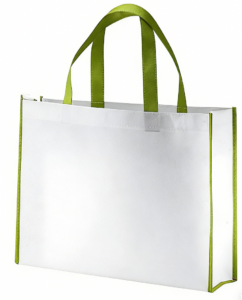
In recent years, the push for sostenibilidad and eco-friendly practices has transformed how businesses operate across various sectors. Non-woven bags have emerged as a popular alternative to traditional plastic bags, offering both functionality and environmental benefits.
These bags, made from synthetic fibers that are bonded together rather than woven, serve multiple purposes in different industries. From retail to events, non-woven bags have become a versatile tool for promotional purposes, packaging, and enhancing customer convenience.
In this blog, we will explore the various ways different industries utilize non-woven bags and the advantages they bring.
Non-Woven Bags in Various Industries: – 1
1.Retail Industry: A Sustainable Shopping Experience
The retail industry was one of the first sectors to adopt non-woven bags as a replacement for single-use plastic bags. Retailers have recognized that customers are increasingly looking for sustainable shopping solutions. Non-woven bags are reusable, durable, and often made from recycled materials, making them an attractive option for environmentally conscious consumers.
- Promotional Tools:Retailers often use non-woven bags as promotional tools, emblazoning them with their logos and branding. These bags serve as walking advertisements, promoting the brand wherever they go. For instance, a grocery store might distribute branded non-woven bags that customers can use for ir de compras, thereby increasing brand visibility. Many retailers offer these bags for a small fee or as a complimentary item with purchases, incentivizing customers to choose them over plastic bags.
- Customer Convenience:Non-woven bags are lightweight yet sturdy, allowing customers to carry more items without the fear of tearing. Their spacious design accommodates various products, making them ideal for grocery shopping, clothing purchases, or any retail environment. Additionally, the ease of folding and storing these bags makes them a convenient option for consumers who may need to transport items frequently.
2.Grocery Stores: A Greener Choice
The grocery sector has seen a significant shift towards eco-friendly practices, largely due to growing consumer demand for sustainable products. Non-woven bags fit seamlessly into this trend, providing grocery stores with a practical solution to reduce plastic waste.
- Branding Opportunities:Many grocery stores have started providing non-woven bags that are not only functional but also visually appealing. These bags can customize with vibrant colors and designs that reflect the store’s branding. By offering attractive non-woven bags, grocery stores can encourage customers to use them repeatedly, which in turn helps reinforce brand loyalty.
- Bulk Purchases and Reusability:Non-woven bags are particularly suitable for bulk purchases, often featuring large capacities that can hold a significant amount of groceries. Their durability means customers can use them repeatedly, reducing the need for single-use bags. This aligns with the growing emphasis on sustainability in the grocery sector, making non-woven bags a preferred choice among environmentally conscious consumers.
Non-Woven Bags in Various Industries: – 2
3.Fashion and Apparel: Stylish and Sustainable
The fashion industry has also embraced non-woven bags, utilizing them not only for packaging but also as a stylish accessory. Many brands have opted for non-woven bags in their retail environments, using them as an extension of their brand identity.
- Product Packaging:For fashion brands, non-woven bags provide an elegant solution for packaging products. Instead of traditional plastic packaging, non-woven bags can use to wrap clothing items, giving customers a more premium unboxing experience. These bags can be printed with intricate designs, logos, and even seasonal themes, enhancing the overall presentation of the product.
- Event Giveaways:Fashion brands often participate in trade shows and events where they showcase their latest collections. Non-woven bags are ideal for event giveaways, allowing brands to create a memorable experience for attendees. These bags can fill with promotional materials, lookbooks, or small samples, making it easy for potential customers to take home a piece of the brand.
4.Events and Promotions: A Practical Solution
The event industry is another sector where non-woven bags have gained traction. From trade shows to festivals, these bags serve as practical solutions for attendees and organizers alike.
- Swag Bags for Attendees:At events, non-woven bags are often to use as swag bags, providing a convenient way for attendees to collect promotional materials, brochures, and freebies from various exhibitors. The lightweight nature of non-woven bags makes it easy for attendees to carry their collected items without feeling weighed down.
- Customization for Branding:Event organizers can customize non-woven bags with event logos, themes, and colors, making them a valuable branding tool. After the event, attendees often reuse these bags, further promoting the event’s brand in their day-to-day lives. This extended visibility is an effective way to reinforce brand recognition and create lasting impressions.
Non-Woven Bags in Various Industries: – 3
5.Health and Wellness: Practicality Meets Hygiene
The health and wellness industry has also found a place for non-woven bags, particularly in settings such as gyms, health food stores, and wellness events.
- Gym and Fitness Bags:Non-woven bags are durable enough to withstand the rigors of gym use, making them ideal for carrying workout gear, water bottles, and supplements. Many fitness brands offer branded non-woven bags as part of their merchandise, promoting both their products and a healthy lifestyle. These bags are often designed with compartments to keep items organized, adding to their appeal.
- Hygiene and Safety:In the wake of the COVID-19 pandemic, hygiene has become a top priority for consumers. Non-woven bags are often more hygienic than traditional bags, as they can be easily cleaned and sanitized. Health-focused businesses can leverage this feature by promoting the cleanliness and safety of their non-woven bags, reassuring customers about their health-conscious choices.
6.Education and Non-Profits: Spreading Awareness
Educational institutions and non-profit organizations are also utilizing non-woven bags to promote their missions and spread awareness about important causes.
- Eco-Friendly Initiatives:Schools and universities have begun incorporating non-woven bags into their environmental initiatives. For example, many educational institutions distribute non-woven bags at orientation events, educating new students about sustainability while providing them with a practical item they can use throughout their academic journey.
- Fundraising and Merchandise:Non-profit organizations often sell branded non-woven bags as part of their fundraising efforts. These bags allow supporters to contribute to the cause while promoting awareness in their communities. The visibility generated by these bags can help amplify the organization’s message and mission.
Conclusión:
Non-woven bags have proven to be a versatile solution across various industries, offering a sustainable alternative to traditional plastic bags. Whether in venta al por menor, tiendas de comestibles, moda, eventos, health and wellnesso education, these bags serve multiple purposes, from enhancing customer convenience to promoting brand identity.As businesses continue to prioritize sustainability and eco-friendliness, non-woven bags are likely to remain a staple in their packaging and promotional strategies.
By embracing non-woven bags, industries can not only reduce their environmental impact but also create a positive association with their brand among consumers. In a world increasingly focused on sustainability, non-woven bags represent a practical and effective solution for businesses looking to make a difference.
Preguntas frecuentes: – 1
1. What are non-woven bags made of?
Non-woven bags typically make from polypropylene, a type of plastic that is processed to create a fabric-like material. The fibers bond together through heat, pressure, or chemical processes rather than being woven together, which gives the bags their strength and durability.
2. Are non-woven bags recyclable?
Yes, non-woven bags can recycle, but the recycling process may vary depending on local recycling facilities. It’s important to check with your local recycling program to see if they accept non-woven materials. Many non-woven bags make from recyclable materials and can reprocess into new products.
3. How long do non-woven bags last?
With proper care, non-woven bags can last for several years. They design to be durable and reusable, making them a sustainable option compared to single-use plastic bags. Regular cleaning and avoiding excessive weight will help prolong their lifespan.
4. ¿Se pueden personalizar las bolsas de tela no tejida?
Absolutely! Non-woven bags can easily customize with logos, colors, and designs to match a brand’s identity. This feature makes them an excellent promotional tool for businesses, as they can effectively advertise while providing a practical item for customers.
Preguntas frecuentes: – 2
5. Are non-woven bags waterproof?
Non-woven bags are not completely waterproof, but they can resist moisture to some extent. They may protect contents from light rain or spills but should not be used for carrying liquids unless they specifically design with waterproof materials.
6. What are the weight limits for non-woven bags?
The weight limit for non-woven bags varies based on the bag’s design and material thickness. Generally, standard non-woven bags can carry between 10 to 20 pounds, but heavier-duty options are available for greater capacity. Always check the manufacturer’s specifications for weight guidelines.
7. How should I clean non-woven bags?
Non-woven bags can usually clean by hand washing with mild soap and water. Avoid using bleach or harsh chemicals, as these can damage the material. After washing, allow the bags to air dry completely before storing them to prevent mold or mildew.
8. Are there any health concerns associated with non-woven bags?
Non-woven bags are generally considered safe for use; however, it’s essential to ensure that they make from food-safe materials if use for food packaging. Always check for certifications or labels indicating that the bags meet health and safety standards.
Preguntas frecuentes: – 3
9. Can non-woven bags use for food storage?
While non-woven bags can use for carrying food items, it is advisable to use food-safe non-woven bags specifically designed for this purpose. They should wash regularly, and perishable items should keep in insulated bags to maintain temperature.
10. What are the environmental benefits of using non-woven bags?
Non-woven bags are more environmentally friendly than single-use plastic bags because they are reusable, durable, and often made from recycled materials. By reducing plastic waste and promoting recycling, non-woven bags contribute to a more sustainable future.
11. How can businesses encourage customers to use non-woven bags?
Businesses can promote the use of non-woven bags by offering them as free giveaways or for a small fee, providing discounts for customers who bring their own bags, or by featuring them prominently in marketing campaigns. Educating customers about the environmental benefits can also encourage usage.
12. Are non-woven bags suitable for all types of products?
Yes, non-woven bags are versatile and can use for a variety of products, including groceries, ropa, electronics, and promotional materials. However, it’s essential to consider the weight and size of items being carried to ensure the bag’s durability.