


What are the standard dimensions of a non-woven drawstring backpack?
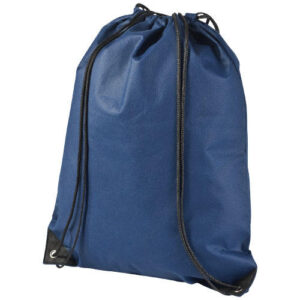
Non-woven drawstring backpacks have become ubiquitous in modern life. Whether you’re attending a promotional event, al gimnasioo organizing a school activity, you’ve likely encountered these practical bags. But what exactly makes these backpacks standardized, and how do their dimensions compare?
Understanding the typical sizes and measurements of non-woven drawstring backpacks is essential if you’re looking to purchase, manufacture, or distribute these popular items.
This guide will walk you through the standard dimensions, explain why these sizes matter, and provide you with a detailed comparison chart to help you make informed decisions.
Understanding Non-Woven Drawstring Backpacks:
Non-woven drawstring backpacks are constructed from non-woven polypropylene material, a durable and lightweight fabric that has become the industry standard for promotional and practical bags. The drawstring closure system makes these backpacks incredibly convenient for quick access and secure storage. Unlike traditional woven fabrics, non-woven materials are created by bonding fibers together through heat, pressure, or chemical means, resulting in a fabric that’s both sturdy and affordable to produce.
These backpacks serve multiple purposes across various industries. Schools use them for promotional giveaways, fitness centers distribute them to members, and corporations hand them out at conferences and events. The popularity of these bags stems from their affordability, durability, and ease of customization with logos and branding. Understanding their standard dimensions helps ensure you’re selecting the right size for your specific needs.
What are the standard dimensions of a non-woven drawstring backpack: – 1
1.The Most Common Non-Woven Drawstring Backpack Sizes:
The backpack industry has settled on several standard sizes that dominate the market. These sizes have been established through years of consumer feedback and manufacturing practices. The most prevalent dimensions fall into three main categories: small, medium, and large.
Small non-woven drawstring backpacks typically measure around 12 inches wide by 15 inches tall, with a depth of approximately 6 inches. These compact bags are perfect for children, students carrying light loads, or anyone needing a minimalist option. They hold approximately 1,080 cubic inches of space, making them suitable for carrying water bottles, snacks, and small personal items.
Medium-sized backpacks represent the sweet spot for most users. These bags generally measure 14 inches wide by 18 inches tall with a 7-inch depth. This size provides roughly 1,764 cubic inches of storage capacity, accommodating textbooks, gym clothes, and everyday essentials without being cumbersome. Medium sizes are the most frequently ordered for promotional purposes because they offer practical storage without being oversized.
Large non-woven drawstring backpacks measure approximately 16 inches wide by 20 inches tall with an 8-inch depth, providing around 2,560 cubic inches of space. These bags work well for overnight trips, serious gym sessions, or anyone needing maximum carrying capacity. They’re also popular for ferias comerciales and large-scale promotional events where organizers want to make an impression with a more substantial giveaway item.
What are the standard dimensions of a non-woven drawstring backpack: – 2
2.Specialized Size Variations:
Beyond the standard three sizes, manufacturers have developed specialized variations to meet specific market demands.
Extra-small backpacks, measuring just 10 inches by 13 inches with a 5-inch depth, have gained popularity in children’s markets and as compact promotional items. These diminutive bags hold around 650 cubic inches and appeal to parents and educators looking for appropriately-sized options for younger children.
Extra-large backpacks push the boundaries of what a drawstring bag can offer. Measuring up to 18 inches wide by 22 inches tall with a 9-inch depth, these bags provide approximately 3,564 cubic inches of storage. While less common in standard promotional offerings, they’re increasingly requested by outdoor enthusiasts, travelers, and organizations needing maximum capacity.
Some manufacturers also produce custom dimensions based on client specifications. However, these custom orders typically involve higher minimum quantities and increased costs. Understanding standard sizes helps you avoid unnecessary expenses while still meeting your practical needs.
What are the standard dimensions of a non-woven drawstring backpack: – 3
3.Detailed Dimension Comparison Chart:
To help you visualize how different non-woven drawstring backpack sizes compare, here’s a comprehensive breakdown presented in an easy-to-reference format:
| Size Category | Width (inches) | Height (inches) | Depth (inches) | Cubic Inches | Best Use |
|---|---|---|---|---|---|
| Extra Small | 10 | 13 | 5 | 650 | Children, compact needs |
| Pequeño | 12 | 15 | 6 | 1,080 | Students, light loads |
| Medio | 14 | 18 | 7 | 1,764 | General purpose, gym |
| Grande | 16 | 20 | 8 | 2,560 | Travel, heavy items |
| Extra Large | 18 | 22 | 9 | 3,564 | Maximum capacity |
This comparison table shows the progressive increase in capacity as you move from smaller to larger sizes. Notice that the volume doesn’t increase linearly with each size increment. This is because all three dimensions increase simultaneously, creating exponential growth in storage capacity.
4.Metric Measurements for International Markets:
For those working in countries using the metric system, here’s the same size information converted to centimeters:
| Size Category | Width (cm) | Height (cm) | Depth (cm) | Cubic cm |
|---|---|---|---|---|
| Extra Small | 25.4 | 33 | 12.7 | 10,644 |
| Pequeño | 30.5 | 38 | 15.2 | 17,692 |
| Medio | 35.6 | 45.7 | 17.8 | 28,903 |
| Grande | 40.6 | 50.8 | 20.3 | 41,938 |
| Extra Large | 45.7 | 55.9 | 22.9 | 58,406 |
These metric conversions ensure that international manufacturers and distributors can work with consistent measurements regardless of their location. The metric system provides precise measurements that are often preferred in manufacturing and quality control processes.
What are the standard dimensions of a non-woven drawstring backpack: – 4
5.Choosing the Right Size for Your Needs
Selecting the appropriate size for your non-woven drawstring backpack depends on several factors. Consider what you’ll be carrying regularly.
If you’re using the bag for promotional purposes at a trade show, a medium size strikes the perfect balance between visibility and practicality. Recipients will appreciate a bag that’s substantial enough to be useful without being awkwardly large.
For school-related applications, the size of your intended user matters significantly. Elementary school children benefit from smaller bags, while middle and high school students can handle medium or large options. Teachers often find that providing appropriately-sized bags increases the likelihood that students will actually use them, making your promotional investment more effective.
If you’re purchasing backpacks for corporate giveaways, consider your brand and the impression you want to make. A large, quality backpack suggests a generous, successful company, while a medium bag indicates practical thinking. The size you choose communicates something about your organization’s values and attention to detail.
For personal use, think about your typical daily needs. Commuters who carry laptops and work materials might prefer large bags, while casual users might find medium sizes more comfortable for daily wear. The depth of the bag is particularly important if you’re carrying items like water bottles or laptop computers, as insufficient depth can create an uncomfortable fit against your back.
Material Thickness and Its Relationship to Dimensions:
An often-overlooked aspect of non-woven drawstring backpack specifications is material thickness, typically measured in grams per square meter (GSM). Standard non-woven material for these backpacks usually ranges from 80 GSM to 120 GSM. Thicker materials provide greater durability and a more premium feel but add minimal weight to the overall bag.
The material thickness can slightly affect the actual usable interior space compared to the stated dimensions. A bag made with 120 GSM material might have slightly less interior volume than the same bag constructed with 80 GSM material, though the difference is negligible for most users. When comparing bags from different manufacturers, it’s worth asking about material specifications to ensure you’re getting the durability level you need.
| GSM Rating | Thickness (mm) | Weight Per Bag | Durabilidad | Best Use Case | Cost Level | Tear Resistance | Water Resistance |
|---|---|---|---|---|---|---|---|
| 60 GSM | 0.10-0.12 | 25-35g | Low | Single-use, light items | Very Low | Poor | Fair |
| 80 GSM | 0.15-0.20 | 40-50g | Medio | General retail, promotional | Low | Good | Good |
| 100 GSM | 0.22-0.28 | 55-70g | High | Heavy items, frequent use | Medio | Very Good | Very Good |
| 120 GSM | 0.30-0.35 | 75-90g | Very High | Premium, luxury brands | High | Excellent | Excellent |
| 150 GSM | 0.38-0.45 | 100-120g | Premium | High-end, specialty use | Very High | Excellent | Excellent |
Manufacturing Tolerances and Real-World Variations:
It’s important to understand that manufacturing tolerances mean individual bags may vary slightly from stated dimensions. Industry standards typically allow for a tolerance of plus or minus 0.5 inches in width and height, and plus or minus 0.25 inches in depth. This means a bag advertised as 14 inches wide could realistically measure anywhere from 13.5 to 14.5 inches.
These minor variations rarely impact the bag’s functionality or appearance. However, if you’re ordering bags for an application where precise dimensions are critical, it’s worth discussing tolerance levels with your manufacturer. Custom orders often allow for tighter tolerances, though this typically increases costs.
Comparing Weight Across Different Sizes:
The weight of non-woven drawstring backpacks varies based on both size and material thickness. A small bag typically weighs between 1.5 to 2 ounces, while medium bags range from 2.5 to 3.5 ounces. Large bags generally weigh between 4 to 5 ounces. These weights are remarkably light, which is one of the major advantages of non-woven material compared to canvas or other traditional fabrics.
When distributing these bags at events, the lightweight nature means you can include more items without significantly increasing the overall weight of what attendees carry away. This makes non-woven drawstring backpacks particularly popular for outdoor events and conferences where attendees are already managing multiple items.
Practical Applications and Size Recommendations:
Different industries have discovered that specific sizes work best for their applications.
- The fitness industry overwhelmingly prefers medium to large sizes, as asistentes al gimnasio need space for shoes, water bottles, and clothing.
- Educational institutions typically order small to medium sizes, with elementary schools favoring smaller options and high schools gravitating toward medium sizes.
- Retail promotions often feature medium sizes because they’re versatile enough to appeal to a broad audience.
- Outdoor recreation companies frequently order large sizes to appeal to their active customer base.
Understanding these industry patterns can help you select a size that resonates with your target audience.
Conclusión:
Standard non-woven drawstring backpack dimensions have been carefully refined through years of market demand and manufacturing experience. Whether you choose an extra-small bag for a child, a medium bag for everyday use, or a large bag for serious storage needs, understanding these standard sizes helps you make an informed decision that meets your specific requirements.
The comparison charts provided in this guide give you a clear picture of how different sizes stack up against each other in terms of dimensions and capacity. By considering your intended use, the characteristics of your audience, and your practical storage needs, you can confidently select the right non-woven drawstring backpack size for your situation.
Whether you’re making a personal purchase, ordering promotional items, or evaluating manufacturing specifications, this comprehensive guide provides the information you need to make smart choices about non-woven drawstring backpack dimensions.
FAQs: – 1
1.What are the typical dimensions of a non-woven drawstring backpack?
The most common sizes range from extra small at around 10 inches wide by 13 inches tall with a 5-inch depth, to extra large measuring approximately 18 inches wide by 22 inches tall with a 9-inch depth. Medium sizes, like 14 by 18 inches with a 7-inch depth, are the most popular for general use.
2.Why do non-woven drawstring backpacks come in different sizes?
Different sizes accommodate various needs and uses. Smaller bags are ideal for children or light loads, while larger bags are suited for carrying more items, such as gym gear or travel essentials. Offering multiple size options ensures users have a bag that fits their lifestyle.
3.How much can a standard non-woven drawstring backpack hold?
Capacity depends on size but typically ranges from about 650 cubic inches for extra small bags to over 3,500 cubic inches for extra-large bags. Medium bags usually store close to 1,700 cubic inches of content, enough for books, clothing, and personal items.
FAQs: – 2
4.Are non-woven drawstring backpacks adjustable in size?
The physical dimensions of the bag itself are fixed during manufacturing. However, the drawstring mechanism allows some flexibility in how tightly the bag closes, which can slightly affect the usable internal space but does not change the overall size.
5.How does material thickness impact backpack size?
Thicker non-woven materials add durability and weight but may slightly reduce internal volume compared to thinner fabric. The difference is minimal and usually doesn’t significantly affect everyday use.
6.Are the stated dimensions exact or approximate?
Manufacturers typically list approximate dimensions with tolerances of about ±0.5 inches in width and height and ±0.25 inches in depth. This slight variability is normal due to production processes.
FAQs: – 3
7.Can I get custom-sized non-woven drawstring backpacks?
Yes, many manufacturers offer custom dimensions to meet specific needs. Custom orders usually require higher minimum quantities and may cost more. Standard sizes remain the most cost-effective choice for most buyers.
8.How do I choose the right backpack size for promotional events?
Consider your target audience and what items they are likely to carry. Medium sizes work well for most events because they balance visibility and practicality. If you want a bag that stands out or carries more items, opt for larger sizes.
9.Do larger backpacks weigh significantly more than smaller ones?
While larger bags weigh more due to bigger size and often thicker material, all non-woven drawstring backpacks remain quite lightweight compared to other bag types. The weight difference usually ranges from a few ounces up to half a pound.
10.Are metric dimensions available for international orders?
Yes, standard sizes can easily be converted to metric measurements (centimeters) for international clients. Manufacturers typically provide metric specs alongside imperial units to support global distribution.