


¿Cómo repartir bolsas en una feria comercial sin parecer desesperado?
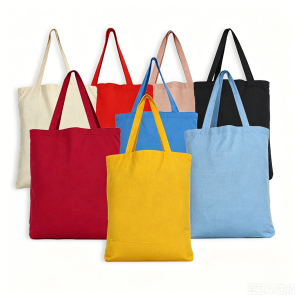
Trade shows are incredible opportunities to connect with potential customers, build brand awareness, and create lasting impressions. Yet many exhibitors struggle with one fundamental aspect: how to distribute bolsas promocionales in a way that feels natural, intentional, and professional rather than pushy or desperate.
The truth is, there’s an art and science to this process, and when done correctly, your branded bags become powerful herramientas de marketing that people actually want to carry home.
In this comprehensive guide, we’ll explore strategic approaches to bag distribution that elevate your booth presence while maintaining your brand’s dignity and professionalism. Whether you’re a seasoned trade show veteran or attending your first industry event, these insights will help you maximize the impact of your regalos.
Understanding the Psychology of Trade Show Giveaways:
Before diving into the how, we need to understand the why. People at trade shows have one fundamental instinct: they’re looking for value. They don’t want to feel like they’re being handed something just because you’re desperate to get rid of inventory. Instead, they want to believe they’re receiving something special, something that was chosen specifically for them because it serves a purpose.
The key difference between looking desperate and looking professional comes down to confidence and strategy. When you approach bag distribution with a clear purpose and a selective mindset, people respond positively. They perceive your brand as selective about who receives its merchandise, which paradoxically makes them want it more. This is the principle of scarcity at work.
Think about the last time you attended a trade show. Did you pick up every bag offered to you? Probably not. You likely selected bags from booths where you felt there was genuine value, where the staff seemed knowledgeable and welcoming, and where the bag itself was attractive enough to justify carrying it around for the rest of the day.
How to Distribute Bags at a Trade Show Without Looking Desperate: – 1
1.Timing Your Distribution Strategy
The timing of when you distribute bags significantly impacts how your gesture is perceived. Rather than handing out bags immediately upon someone entering your booth, consider a more strategic approach. Engage visitors first. Ask questions about their business, their challenges, and their interests. Have a genuine conversation.
After establishing rapport and understanding what they do, you’re in a much better position to offer a bag.
At this point, the gift feels like a natural conclusion to a meaningful interaction rather than a transactional handoff. You might say something like, “I think you’d really find value in our resources. Let me put together a bag with some materials specifically relevant to what you mentioned.”
This approach accomplishes several things simultaneously.
- First, it demonstrates that you’re listening and that the bag isn’t generic.
- Second, it positions the bag as a reward for their time and attention, not a desperate attempt to collect contact information.
- Third, it creates a memorable interaction that the visitor will likely remember long after the show ends.
Timing also matters in terms of booth traffic patterns.
Mid-morning and mid-afternoon tend to be less chaotic than the opening hours or the final hours of the show. During these slower periods, you can have more meaningful conversations and distribute bags in a way that feels intentional rather than rushed.
How to Distribute Bags at a Trade Show Without Looking Desperate: – 2
2.Creating Perceived Value Through Curation
One of the most effective ways to avoid looking desperate is to make your bags feel curated rather than randomly assembled. This doesn’t necessarily mean spending more money on bag contents. Instead, it means being thoughtful about what goes inside.
Consider organizing different bag types for different visitor profiles.
A bag for a marketing manager might contain different materials than a bag for a operations director. This level of personalization makes people feel special and valued. It also gives you a legitimate reason to be selective about who receives bags, which reinforces that professional, confident image we’re trying to project.
You might have a sign at your booth that reads,
“Let us customize a bag for you based on your specific interests,” rather than a bin of pre-packed bags ready to grab. This simple shift in presentation makes all the difference. Suddenly, receiving a bag feels like an achievement rather than a commodity.
The contents matter too. Include items that actually serve a purpose.
A high-quality pen, a useful guide, a resource list, or a discount code specific to their industry—these things say your brand understands their needs. Generic trinkets with your logo on them, by contrast, scream desperation.
How to Distribute Bags at a Trade Show Without Looking Desperate: – 3
3.The Power of Strategic Selectivity
Here’s a counterintuitive truth: being selective about who receives your bags actually increases their perceived value. This is the exclusivity principle. When bags are available to everyone, they feel cheap. When they’re available only to people who meet certain criteria, they feel valuable.
You might establish quiet criteria for distribution.
Perhaps bags go to visitors who spend more than five minutes at your booth, or who engage with your staff in substantive conversation, or who work in specific industries that align with your services. You don’t need to announce these criteria loudly. Simply apply them consistently.
When someone asks for a bag and doesn’t quite meet your criteria, you can handle it gracefully.
Instead of saying “no,” you might say, “I want to make sure we give you something that’s actually useful for your business. Tell me more about what you do, and then we can determine if we have the right resources for you.” Often, this conversation leads to genuine engagement that justifies giving them a bag anyway.
How to Distribute Bags at a Trade Show Without Looking Desperate: – 4
4.The Role of Booth Design and Presentation
The way you present your bags physically impacts how your distribution feels. If bags are piled haphazardly on a table, visible from across the booth, they look like you’re trying to get rid of them. If bags are stored behind the counter or on a shelf, visible but not prominently displayed, they feel more exclusive.
Your booth layout should guide people naturally into conversation with your staff.
When someone enters your booth, they should encounter a staff member within seconds, not a pile of bags. The bags should be an outcome of the interaction, not the main attraction.
Consider using attractive storage solutions.
A nice basket, a branded container, or even a simple shelf display makes bags look intentional rather than desperate. The presentation of your giveaways reflects on your brand’s overall professionalism.
How to Distribute Bags at a Trade Show Without Looking Desperate: – 5
5.Mastering the Handoff Moment
The actual moment you hand someone a bag is crucial. Do it with confidence and a smile.
Make eye contact.
Say something like, “I think you’ll find this really valuable,” or “This has some great resources for someone in your position.” These statements frame the bag as a valuable gift, not a desperate giveaway.
Avoid apologetic language.
Never say things like “It’s just a small gift” or “I hope you don’t mind taking this.” Language like this undermines the value of what you’re offering. Instead, present the bag as something genuinely useful that you’re pleased to share.
The tone of your voice matters enormously.
Speak with the confidence of someone offering something valuable, not the hesitation of someone hoping they’ll take something off your hands.
Comparing Bag Materials, Styles, and Designs:
Different bag materials, styles, and designs serve different purposes and create different impressions at trade shows. Below is a detailed comparison to help you choose the right option for your brand and audience:
| Aspect | Canvas/Cotton Bags | Non-Woven Polypropylene | Recycled Materials | Leather Accent Bags | Mesh/Net Bags |
|---|---|---|---|---|---|
| Perceived Quality | Premium, natural, eco-conscious | Budget-friendly, practical | Eco-friendly, conscious brand | Luxury, high-end, professional | Casual, lightweight, modern |
| Durabilidad | Very durable, improves with age | Good durability, standard use | Varies, generally durable | Excellent durability, investment piece | Moderate, best for light items |
| Cost Per Unit | $3-8 | $1-3 | $2-6 | $8-15 | $1.50-4 |
| Best For | Fashion, lifestyle, premium brands | Startups, budget-conscious companies | Sustainability-focused brands | Executive audiences, luxury sectors | Tech companies, younger demographics |
| Reutilización | Very high, customers use repeatedly | High, practical for shopping | High, aligns with values | Very high, status symbol | De moderado a alto |
| Opciones de personalización | Excellent, embroidery and printing | Excellent, full color printing | Good, eco-friendly printing methods | Good, limited to logo placement | Good, simple designs work best |
| Impression Created | Thoughtful, quality-focused | Practical, professional | Values-aligned, modern | Exclusive, premium positioning | Contemporary, tech-savvy |
| Ideal Content | Heavier items, books, samples | Mixed items, moderate weight | Lightweight, eco-friendly products | High-value items, executive materials | Promotional items, light samples |
| Impacto medioambiental | Biodegradable, sustainable | Recyclable, reusable | Minimal, made from waste | Long-term use reduces waste | Recyclable, minimal production waste |
| Trade Show Context | Creates premium booth impression | Practical for high-volume distribution | Demonstrates brand values | Attracts executive-level leads | Appeals to innovation-focused visitors |
Leveraging Follow-Up to Justify Your Distribution:
One of the best ways to avoid looking desperate is to have a clear follow-up strategy. When you hand someone a bag, you’re beginning a conversation, not ending it. Make sure your bags include something that prompts next steps. A QR code linking to exclusive content, a special offer code, or a clear call-to-action gives you a legitimate reason to stay in touch.
When you follow up with someone who received one of your bags, you’re not chasing them down. You’re continuing a conversation that was already started at the show. This makes your outreach feel natural and expected rather than pushy.
Conclusion: Confidence Is Everything
The secret to distributing bags at a trade show without looking desperate boils down to one thing: confidence. When you approach bag distribution as part of a strategic, thoughtful process rather than a desperate attempt to get rid of inventory, that confidence shines through.
Remember that every interaction at your booth is an opportunity to reinforce your brand’s values and professionalism. The bags are simply tools that support those conversations. By timing your distribution strategically, curating valuable contents, being selective about recipients, and presenting everything with confidence, you transform a simple giveaway into a powerful marketing moment.
Your next trade show is an opportunity to demonstrate that your brand is selective, valuable, and worth people’s attention. Approach it with that mindset, and you’ll find that people don’t just accept your bags—they actually treasure them.
Preguntas frecuentes: – 1
1. How many bags should I prepare for a trade show?
The number of bags you prepare depends on the size of the event, expected foot traffic, and your distribution strategy. Instead of aiming to give a bag to everyone, focus on quality interactions. Preparing bags for about 20-30% of expected visitors is a good starting point if you plan to be selective. It’s better to run out of bags because you were selective than to have too many leftover, which can make you appear desperate.
2. What types of items should I include in the bags?
Include items that provide real value and relevance to your audience. Useful items can range from informational brochures and industry insights to branded pens, notebooks, or discount vouchers. Avoid overcrowding the bag with cheap trinkets. Instead, curate a thoughtful selection that aligns with your brand and resonates with your target customers.
3. Should I use branded or generic bags?
Branded bags are generally more effective because they reinforce your company’s identity and serve as mobile advertisements after the event. However, ensure the branding is tasteful and not overwhelming. A clean, simple design often works better than something flashy. If your brand supports sustainability, consider using eco-friendly branded bags to make a positive impression.
Preguntas frecuentes: – 2
4. How can I encourage visitors to engage before offering a bag?
Start conversations by asking open-ended questions related to their business challenges or goals. Show genuine interest in their needs rather than jumping straight into your sales pitch. Only after understanding their situation should you offer a bag, framing it as a personalized resource that supports their objectives.
5. Is it okay to give bags to everyone who asks?
Giving bags indiscriminately can dilute their perceived value and make your brand seem desperate. Be selective but polite. If someone asks for a bag without engaging meaningfully, guide the conversation to understand their interests first. This approach often leads to more valuable interactions and justifies giving them a bag.
6. How important is the design and material choice for trade show bags?
Very important. The design and material of your bags send a message about your brand’s quality and values. High-quality materials like canvas or leather accents suggest premium positioning, while recycled materials highlight sustainability efforts. Choose a style that matches your brand personality and appeals to your target audience.
Preguntas frecuentes: – 3
7. Can I distribute digital bags or resources instead of physical ones?
Digital giveaways are becoming more popular, especially with increasing environmental awareness. Offering downloadable resources via QR codes or email follow-ups can complement or replace physical bags. However, physical bags still have tangible presence and visibility at trade shows, so consider combining both approaches strategically.
8. How do I avoid looking pushy when offering bags?
Avoid rushing to hand out bags as soon as visitors arrive at your booth. Instead, focus on building rapport through genuine conversations and understanding visitor needs. Present the bag as a helpful resource rather than a freebie. Using confident body language and positive language reinforces professionalism.
9. What are some alternatives to traditional trade show bags?
Consider alternatives such as reusable water bottles, USB drives loaded with digital content, notebooks, or small tech gadgets branded with your logo. These items can sometimes create more interest than standard bags but should still align with your brand identity and the event’s context.
10. How can I track the success of my bag distribution strategy?
Include unique codes, QR codes, or special offers inside your bags that encourage recipients to take specific actions online or offline. Track website visits, downloads, coupon redemptions, or follow-up meeting requests tied to these codes. This data will help you evaluate the effectiveness of your distribution approach and refine it for future events.