


Non-Woven Bags vs Plastic Bags:Which Is Better for Retail?
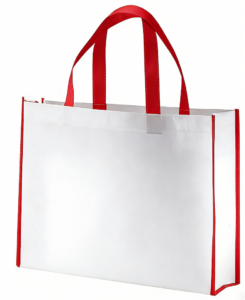
When you walk into a retail store today, you’re likely to encounter a choice at the checkout counter. The cashier asks whether you want your items in a plastic bag or a non-woven bag. This simple question reflects a much larger shift happening in the retail industry. Business owners and store managers are constantly weighing their options, trying to figure out which bag solution makes the most sense for their operations.
The decision between non-woven bags and plastic bags isn’t just about environmental responsibility anymore. It’s about cost, durability, brand image, and customer satisfaction.
If you’re running a retail business, this choice directly impacts your bottom line and how customers perceive your brand. Let’s break down everything you need to know to make an informed decision.
What Are Non-Woven Bags and Plastic Bags?
Before comparing these two options, it’s important to understand what each one actually is.
Plastic bags make from petroleum-based materials, typically polypropylene or polyethylene. They’re manufactured through a process where plastic pellets are melted and formed into thin sheets, which then cut and seal into bag shapes. Plastic bags have been the standard in retail for decades because they’re lightweight, inexpensive to produce, and require minimal manufacturing effort. However, they’re also thin and prone to tearing, and they don’t break down easily in the environment.
Non-woven bags make from synthetic fibers like polypropylene that bond together through heat, pressure, or chemical processes rather than being woven or knitted. This creates a fabric-like material that’s thicker and more durable than plastic. Non-woven bags manufacture using spunbond technology, where fibers spin directly onto a conveyor belt and then bond together. The result is a sturdy, reusable bag that can handle repeated use and heavier loads.
The key difference is that plastic bags are thin and disposable, while non-woven bags are thicker, stronger, and designed for multiple uses. This fundamental difference influences everything from cost to environmental impact.
| Factor | Non-Woven Bags | Plastic Bags |
|---|---|---|
| Reutilización | Alto | Usually low for lightweight bags |
| Durabilidad | Good to excellent depending on GSM and construction | Varies significantly |
| Purchase cost | Higher per bag | Usually lower per bag |
| Estrategia de marca | Excelente | Bien |
| Printing area | Large and highly customizable | Depends on bag type |
| Carrying heavier products | Generally better | Depends on plastic thickness |
| Almacenamiento | Can be folded and stored efficiently | Very compact |
| Customer perception | Reusable and promotional | Often associated with single use |
| Long-term brand exposure | Alto | De bajo a moderado |
| Regulatory pressure | Generally lower for reusable products | Higher for lightweight single-use bags |
| Best use | Reusable retail, promotions, eventos, ir de compras | Short-term or specific applications |
Non-Woven Bags vs Plastic Bags:Which Is Better for Retail? – 1
Let’s compare these two bag types across the factors that matter most to retail businesses.
1.Cost Analysis
For retailers, cost is always a primary concern. Plastic bags are cheaper to manufacture, typically costing between $0.01 to $0.03 per bag depending on size and order volume. This low cost has made them the default choice for decades.
Non-woven bags cost more upfront, ranging from $0.15 to $0.50 per bag depending on size, material thickness, and customization options. However, this higher initial cost tells only part of the story. While you’re spending more per bag, you’re getting a product that customers will use multiple times, which changes the economics significantly.
2.Durability and Lifespan
Plastic bags typically last for one use or, at best, a few uses before they tear or break. The thin material simply doesn’t design to withstand repeated handling or heavy loads. Most plastic bags end up in landfills within weeks of purchase.
Non-woven bags build to last. With proper care, a non-woven bag can be used hundreds of times. The thicker material resists tearing, and the reinforced handles can support significant weight. Many customers report using the same non-woven bag for a year or more, making it a genuine long-term investment.
3.Reusability and Customer Behavior
This is where the comparison becomes really interesting. Plastic bags are rarely reused because they’re flimsy and prone to damage. Once they tear, they’re garbage.
Non-woven bags actively reuse by customers. Studies show that approximately 70-80% of customers who receive a non-woven bag will use it again for shopping or other purposes. This reusability creates multiple marketing exposures for your brand every time the customer uses the bag.
Non-Woven Bags vs Plastic Bags:Which Is Better for Retail? – 2
4.Branding Opportunities
Plastic bags offer minimal branding space and don’t inspire customers to keep them. A logo printed on a plastic bag that’s thrown away in a week provides almost no marketing value.
Non-woven bags are premium branding vehicles. Their larger surface area and durability mean your brand gets displayed repeatedly. When a customer carries your branded non-woven bag to multiple stores, the gym, or the beach, they’re essentially walking advertising for your business. This repeated brand exposure creates better recall and customer loyalty.
5.Customer Perception
Customer attitudes toward bags have shifted dramatically. A growing segment of shoppers actively prefers non-woven bags because they perceive them as more environmentally responsible and higher quality. Offering non-woven bags can actually enhance your store’s image and attract conscious consumers.
Plastic bags, conversely, are increasingly viewed negatively by customers. Many consumers associate them with environmental damage and poor quality. Some customers even bring their own bags specifically to avoid receiving plastic bags.
6.Reuse Rate Comparison Table
Here’s how these factors stack up in a clear comparison:
| Factor | Plastic Bags | Non-Woven Bags |
|---|---|---|
| Cost Per Bag | $0.01 – $0.03 | $0.15 – $0.50 |
| Average Lifespan | 1-3 uses | 100-300+ uses |
| Customer Reuse Rate | 5-10% | 70-80% |
| Branding Value | Muy bajo | Muy alto |
| Impacto medioambiental | Negative | Neutral to Positive |
| Customer Perception | Declining | Improving |
| Durability Rating | Pobre | Excelente |
| Resistencia del asa | Weak | Strong |
| Weight Capacity | 2-5 lbs | 20-50 lbs |
| Brand Exposure Value | $0.001 per bag | $0.05-0.10 per bag |
Which Retail Applications Benefit Most from Non-Woven Bags?
Not every retail business needs to switch to non-woven bags. The decision depends on your specific business type and customer base.
Fashion and Apparel Stores benefit greatly from non-woven bags. These customers appreciate quality, and a premium non-woven bag enhances the perceived value of their purchase. The bags are reused frequently for shopping trips, providing consistent brand exposure.
Grocery and Supermarkets find non-woven bags practical because customers need sturdy bags that can handle heavier items. The durability of non-woven bags reduces customer frustration with ripped bags, and many grocery shoppers actively bring reusable bags anyway.
Specialty Retail and Boutiques use non-woven bags as part of their brand experience. A high-quality bag signals that the store values quality and sustainability, which aligns with the values of many specialty retail customers.
Pharmacies and Health-Conscious Retailers benefit from the perception that non-woven bags are more hygienic and environmentally responsible, which resonates with their customer base.
Electronics and Premium Retailers use non-woven bags to reinforce the premium nature of their products. A delicate electronics purchase feels safer in a sturdy, professional non-woven bag than in a flimsy plastic one.
Budget Retailers and Discount Stores may continue using plastic bags if their customer base prioritizes cost above all else, though this is becoming less common.
How to Choose Non-Woven Bag Specifications: A Buyer’s Guide!
When you’re ready to order non-woven bags, you’ll encounter several specifications. Here’s what matters and what to focus on.
Bag Size:
Choose based on your typical transaction size. Small bags work for quick purchases, while large bags accommodate full shopping trips. Most retailers use medium to large sizes (12×14 inches to 16×18 inches).
Material Weight:
This is measured in grams per square meter (GSM). Higher GSM means thicker, more durable material. For retail bags, 80-120 GSM is standard. Anything below 80 GSM feels flimsy, while above 120 GSM is unnecessarily heavy for most applications.
Handle Type:
Choose between short handles (for hand carrying) or long handles (for shoulder carrying). Long handles are more versatile and customers prefer them. Reinforced handles are worth the small additional cost because they prevent the most common failure point.
Resistencia del asa:
Look for handles that can support at least 20-30 pounds without tearing. This is usually specified in the product details.
Color Options:
White, black, and natural colors are most versatile. Bright colors cost more to produce but may align better with your brand.
Printing Options:
Full-color printing is available and relatively affordable in large orders. Ensure the printer you work with uses eco-friendly inks if sustainability is important to your brand.
Customization Level:
Decide whether you want a simple logo print or full custom design. Simple logos are cheaper and faster to produce.
Minimum Order Quantities:
Most manufacturers require orders of 5,000 to 10,000 bags. This is important to calculate your true cost per bag.
Delivery Timeline:
Standard production takes 2-4 weeks. Plan accordingly for seasonal needs.
The most important specification for B2B buyers is material weight. This single factor determines durability and customer perception more than anything else. Don’t cheap out on GSM weight if you want bags that will actually be reused.
Making Your Final Decision:
The choice between non-woven and plastic bags ultimately depends on your priorities and customer base. If you’re a premium retailer where brand image matters, non-woven bags are a smart investment. If you’re operating on razor-thin margins and your customers expect the absolute lowest cost, plastic might still make sense temporarily.
However, the trend is clear. Customers increasingly prefer non-woven bags, regulations are tightening around plastic use in many regions, and the long-term value proposition of non-woven bags is stronger. The upfront cost difference narrows significantly when you consider that customers will reuse non-woven bags hundreds of times, creating lasting brand exposure.
Choose plastic bags when:
- The application genuinely requires disposable packaging
- Extremely low upfront cost is the priority
- The bag is used for a specific short-term purpose
- Moisture resistance is essential
- The retailer has a clear reason for disposable packaging
Choose bolsas de tela no tejida when:
- Repeated use is expected
- The retailer wants stronger bags
- Branding is important
- Customers are likely to reuse the bags
- The retailer wants a more substantial shopping experience
- Promotional value matters
- The business wants to reduce dependence on lightweight disposable carrier bags
A Simple Decision Framework for Retail Buyers:
Before placing a large order, consider the following questions:
1.What products will the bag carry?
Different items require different specifications. For example, bags meant for light clothing will differ from those designed to carry bottled beverages or packaged food.
2.What weight will it need to support?
This will dictate the necessary materials, handle design, stitching methods, gussets, and reinforcement.
3.How many times should the bag be reusable?
The anticipated frequency of reuse will guide decisions on durability and overall construction.
4.Should the bag promote the brand?
If branding is a priority, focus on aspects such as print quality, surface area, color, and visual appeal.
5.What is the target cost per use?
Assessing reusable bags shouldn’t be based solely on the initial unit price; consider the overall cost per use.
6.Where will the bags be available for sale?
Different regions may have specific regulations regarding disposable carrier bags, including charges, labeling, and waste management.
7.What quantity is needed?
Factors such as minimum order quantity (MOQ), production capacity, shipping methods, and storage requirements should all be factored into the decision.
8.Can the supplier provide samples?
Samples allow buyers to evaluate the following aspects:
- Fabric feel
- GSM (grams per square meter)
- Handle strength
- Stitch quality
- Printing accuracy
- Dimensions
- Bottom construction
- Overall aesthetics
Testing samples prior to mass production is crucial, especially for retail programs involving large quantities.
Conclusión:
Non-woven bags and plastic bags serve different purposes in modern retail. Plastic bags remain the cheapest option for single-use scenarios, but non-woven bags deliver superior value through durability, reusability, and branding opportunities. For most retail businesses, the investment in quality non-woven bags pays dividends through improved customer perception, reduced replacement frequency, and enhanced brand visibility.
The decision isn’t really about which bag is objectively “better.” It’s about which choice aligns with your business model, brand values, and customer expectations. If you’re looking to build a sustainable business that customers respect and remember, non-woven bags are the clear choice.
Start by ordering a test batch, gather customer feedback, and make your decision based on your specific situation.
FAQs About Non-Woven Bags vs Plastic Bags which is better for retail: – 1
1.Are non-woven bags better than plastic bags for retail?
For most retail businesses, non-woven bags are the better long-term choice. They are stronger, reusable, and provide more space for logo printing. They also help create a better brand image.
Plastic bags may still be suitable when the main concern is the lowest possible unit cost or when customers need a simple bag for a small, lightweight purchase. However, plastic bags usually use only once or a few times, while non-woven bags can use many times.
2.Do non-woven bags make of plastic?
Yes. Most non-woven bags make from polypropylene, also called PP. The difference is that the material form into a fabric-like sheet instead of a thin film.
This means that “non-woven” does not automatically mean plastic-free or biodegradable. B2B buyers should check the material details before placing an order. If your company requires a lower-impact option, ask about recycled PP, recyclable construction, or other available materials.
3.How many times can a non-woven bag reuse?
A good-quality non-woven bag can often reuse dozens or even hundreds of times. The actual lifespan depends on the material thickness, handle design, stitching, printing quality, weight carried, and how the bag is stored.
For ordinary retail use, bags made from around 80–100 GSM material can be suitable for light to medium products. For heavier products or frequent use, 100–120 GSM or thicker material is usually a safer choice.
FAQs About Non-Woven Bags vs Plastic Bags which is better for retail – 2
4.What is the reuse rate of non-woven bags?
The reuse rate depends on the bag’s quality, price, appearance, and the type of retail business. A strong, attractive bag with a useful size is more likely to be reused than a very thin bag with weak handles.
As a general business expectation, non-woven bags have a much higher reuse rate than ordinary single-use plastic bags. Customers may use them for future shopping, storage, travel, work, or household activities. Retailers should avoid promising one fixed reuse percentage unless they have conducted their own customer survey.
5.Are non-woven bags recyclable?
Polypropylene non-woven bags can be recyclable in some recycling systems, but local collection rules vary. Not every recycling center accepts them, and the bag may need to be clean and separated from other materials.
Before printing recycling claims on the bag, buyers should confirm the available recycling process in the target market. It is also useful to ask the supplier whether the bag uses one material or combines PP with other materials, coatings, zippers, or metal parts.
6.Are non-woven bags biodegradable?
Most standard PP non-woven bags are not biodegradable. They are reusable and may be recyclable, but they do not naturally break down quickly like some certified compostable materials.
B2B buyers should be careful with terms such as “eco-friendly” and “green.” Ask the supplier for specific information about the material, recycled content, recyclability, and relevant test documents instead of relying only on general marketing language.
FAQs about Non-Woven Bags vs Plastic Bags which is better for retail: – 3
7.Are non-woven bags waterproof?
Standard non-woven bags are usually water-resistant but not completely waterproof. They can protect products from light moisture, but water may pass through the material or seams during heavy rain.
If your products require better moisture protection, ask about laminated non-woven bags. Lamination can improve water resistance and printing quality, but it may affect recyclability because the bag combines different materials.
8.What GSM should retailers choose?
GSM means grams per square meter and indicates the weight and thickness of the non-woven material. The right GSM depends on the products being carried.
For lightweight items such as clothing accessories, cosmetics, and small gifts, 60–80 GSM may be enough. For general retail shopping, 80–100 GSM is a common choice. For groceries, books, shoes, and heavier products, 100–120 GSM or more may provide better performance.
Choosing the thickest material is not always necessary. A higher GSM usually increases cost, weight, and shipping volume. The best choice is the lowest material weight that still provides the required strength and appearance.
FAQs: – 4
9.Which handle type is best for retail bags?
Short handles are suitable for hand carrying and small purchases. Long handles allow customers to carry the bag over the shoulder and are often more comfortable for shopping.
For most retail applications, long handles are a practical choice. Buyers should also check how the handles are attached. Reinforced stitching or heat-sealed handle areas can help prevent tearing, especially when the bag is used for heavier products.
10.How much weight can a non-woven bag carry?
The weight capacity depends on the bag size, GSM, handle design, handle length, and production method. A basic bag may be suitable for light products, while a reinforced 100–120 GSM bag can carry much heavier items.
Do not rely only on the supplier’s verbal claim. Ask for a sample and conduct a simple load test using the type of products your customers normally buy. Test the bag by carrying the expected weight for several minutes and checking the handles, seams, and bottom panel.