


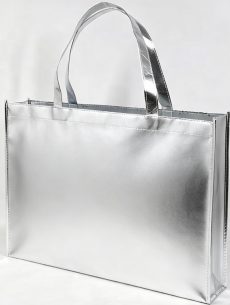

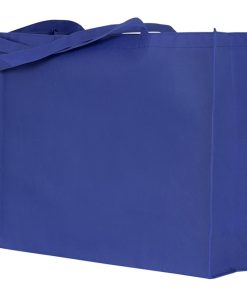
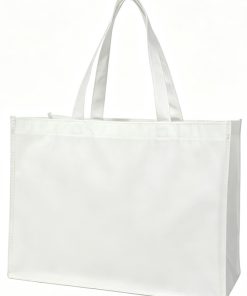
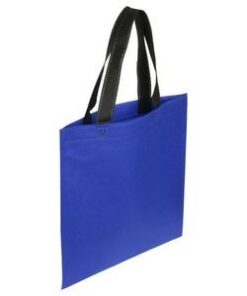
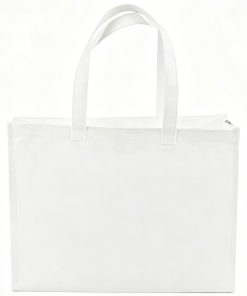
The Luxury Shiny Silver Laser Non Woven Tote Bag Custom Logo Printed for Shopping are best alternative to plastic and also much more durable!
- Made with recycled and reusable 80 gsm non-woven polypropylene.
- Features 25″ long handle and plastic bottom board to add support.
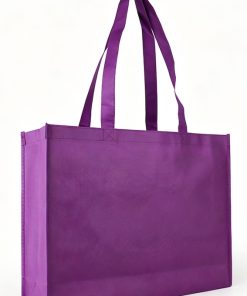
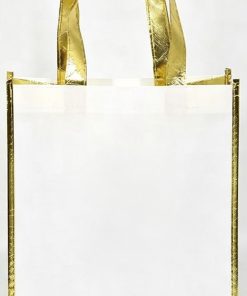
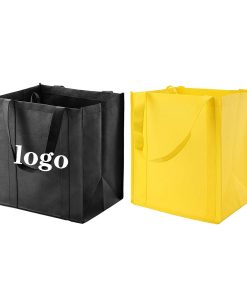
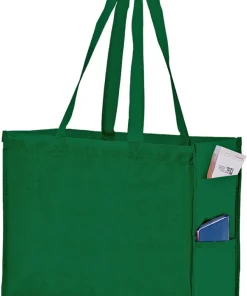
- Available in a whole rainbow of color options.
Non woven bags make from a type of plastic called polypropylene, nowadays use for carpets, textiles, and l'emballage materials. Polypropylene is odourless, water-resistant, and rather durable, making it a perfect material for a sac réutilisable.
And due to this reusability, PP bags are some of the most eco-friendly plastic bags out there. Unsurprisingly, that only adds to their popularity.
Product Specification about Luxury Shiny Silver Laser Non Woven Tote Bag Custom Logo Printed for Shopping:
| Item | Luxury Shiny Silver Laser Non Woven Tote Bag |
|---|---|
| Matériau | 80g Non-Woven Polypropylene |
| Taille | 17″*4“*14” |
| Handle | Non-Woven Polypropylene (X Stitching) |
| Printing | Silk screen / Heat transfer / Digital |
| MOQ | 500-1000 pcs |
| Packaging | Carton or customized packaging |
| Usage |
How Is Polypropylene Fabric Made?
Actually, the production process of this plastic fabric includes several steps:
1. Polymerization
The process starts with polymerization. At first, the crude oil refine into propylene gas. Then, the propylene gas polymerize into polypropylene resin. This resin produce in small granules, which are the raw material for the fabric.
2. Extrusion
In the extrusion phase, the polypropylene granules melt (The melting point is around 160 ℃ to 170 ℃) and form into thin synthetic fibers or sheets. Additives such as flame retardants, antimicrobial agents, or plasticizers can add here, depending on the desired characteristics of the fabric. This process gives the material its initial form, either as fibers for weaving or sheets for bonding.
3. Weaving or Bonding
- Woven polypropylene fabric make by weaving the fibers into a strong, breathable textile.
- Non-woven polypropylene fabric make by bonding fibers together through heat and pressure.
4. Finishing
The fabric may coat, laminate, or treat depending on the intended use to enhance properties, such as water resistance or UV protection.
- Coating: The fabric can coat with a layer to resist water or offer UV protection. The coating is especially useful for outdoor products, like bags exposed to weather.
- Lamination: The fabric may laminate (a thin layer is added) to make it stronger and tear-resistant, improving its sturdiness.
These processes result in a lightweight and strong fabric that can use in various applications, from the packaging industry to industrial materials.
What Certifications Are Available for Polypropylene Fabric?
If you’re wondering about quality and safety standards, you’ll be glad to know that polypropylene fabrics can meet several internationally recognized certifications. These certifications ensure the material is produced and performs to strict guidelines across industries.
Some of the main certifications include:
- ISO 9001: This is a widely recognized quality management standard from the International Organization for Standardization (ISO). Polypropylene fabrics produced under this system meet rigorous quality assurance requirements.
- ISO 13485: If the polypro fabric is intended for use in medical applications (like surgical gowns or masks), it may need to comply with the ISO 13485 standard. This ensures the material meets health and safety requirements specific to medical devices.
- ISO 19069-1:2015: For technical performance, such as strength and melt flow, ISO provides this standard. It sets criteria for properties like tensile strength, impact resistance, and melt mass-flow rate.
- ANSI and NSF Certification: In the United States, polypropylene products may also obtain certifications from organizations like the American National Standards Institute (ANSI) ou NSF International, especially if the material comes in contact with food or drinking water.
- GRS: This is the certification for Recycled Polypropylene.
These certifications aren’t just stamps of approval—they provide extra confidence that your polypropylene fabric meets strict quality, safety, and performance benchmarks.
Avis
Il n’y a pas encore d’avis.