


Sacos de tecido não tecido x sacolas de lona reutilizáveis: qual é a melhor opção?
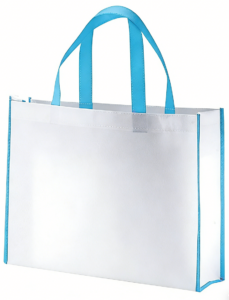
When you walk into a mercearia today, you’ll notice something different from a decade ago. Gone are the days when plastic bags were the default choice for shoppers. Instead, you’ll see customers carrying a variety of reusable bags made from different materials.
Two of the most popular options are non-woven bags and canvas bags, but many people don’t understand the real differences between them or which one truly makes sense for their lifestyle and values.The shift toward reusable bags represents an important step in reducing our environmental footprint, but not all reusable bags are created equal.
Some people grab whatever bag is available, while others carefully consider which material aligns with their values. The truth is that choosing between non-woven and canvas bags involves weighing several factors including durability, cost, environmental impact, and practical use cases.
This guide will help you understand both options so you can make an informed decision that works best for your situation.
Understanding Non-Woven Bags: – 1
Non-woven bags make from polipropileno, a type of plastic material that’s created through a manufacturing process that bonds fibers together without weaving or knitting them. This process creates a fabric-like material that feels sturdy and looks similar to cloth, even though it’s technically plastic-based.
The manufacturing process for non-woven bags involves laying down fibers and then using heat, pressure, or chemical bonding to hold them together. This creates a material that’s lightweight, water-resistant, and surprisingly durable for everyday use. Non-woven bags are often what you get when you receive promotional bags from lojas, conferênciasou eventos. They’re inexpensive to produce, which makes them an attractive option for businesses looking to provide customers with sacolas de compras reutilizáveis.
One of the biggest advantages of non-woven bags is their cost. They’re incredibly affordable to manufacture, which means retailers can offer them at very low prices or even give them away as itens promocionais. This affordability makes them accessible to almost everyone, regardless of budget. Additionally, non-woven bags are typically lighter in weight than canvas alternatives, making them easier to carry, especially when loaded with groceries or other items.
Understanding Non-Woven Bags: – 2
Non-woven bags are also water-resistant, which means they won’t absorb moisture the way canvas bags do. This makes them practical for carrying wet items or for use in damp conditions. They’re also easy to clean—a simple wipe with a damp cloth usually does the job. The material doesn’t stain easily, and it resists odors better than some natural materials.
However, non-woven bags do have significant drawbacks. While they’re initially sturdy, they tend to degrade over time with repeated use. The handles can tear, the seams can weaken, and the material itself can become brittle, especially if exposed to sunlight for extended periods. Most non-woven bags have a lifespan of one to two years with regular use, which is considerably shorter than canvas bags. Additionally, since they make from plastic, there are environmental concerns about their production and eventual disposal.
Understanding Canvas Bags:
Canvas bags make from cotton fabric, typically a heavyweight weave that creates a durable material. Canvas has use for centuries in applications ranging from sails to work clothes, so there’s a proven track record of durability with this material. A quality canvas bag can last for years, sometimes even decades, with proper care.
Canvas bags feel substantial and sturdy, which appeals to many people who want a bag that seems built to last. The material develops character over time, with wear patterns and fading that some people find appealing. Canvas bags are often more aesthetically pleasing than non-woven bags, with a classic look that works well for both casual shopping and more formal settings.
The durability of canvas is one of its greatest strengths. A well-made canvas bag can handle hundreds of passeios para fazer compras without showing significant wear. The handles are typically reinforced and can support heavy loads. The seams are usually double-stitched or triple-stitched for added strength. This longevity means you’re making a better long-term investment when you choose a quality canvas bag.
Canvas bags are also generally made from natural fibers, which appeals to environmentally conscious consumers. Cotton is a renewable resource, and canvas bags can biodegrade at the end of their life, unlike plastic-based non-woven bags. Many canvas bags are also produced using sustainable manufacturing practices and fair trade principles.
The main disadvantages of canvas bags relate to cost and maintenance. A quality canvas bag typically costs more upfront than a non-woven bag—sometimes three to five times as much. Canvas also absorbs moisture, which means it can develop mildew if not dried properly, and it may retain odors from items it carries. Canvas bags also require more careful cleaning, and they may need occasional washing to maintain their appearance and hygiene.
Non-Woven Bags vs. Reusable Canvas Bags: Which is Better? – 1
1.Durability Comparison
When comparing durability, the numbers tell a clear story. A typical non-woven bag can handle approximately 50 to 100 uses before showing significant wear, while a quality canvas bag can handle 500 to 1,000 uses or more. This dramatic difference in lifespan is perhaps the most important factor when considering the true cost of each bag option.
If you use a non-woven bag twice a week, it will likely need replacement within a year. A canvas bag used the same way could last for five to ten years. This means that while a single canvas bag costs more upfront, you’ll actually spend less money over time if you use bags regularly. You might purchase five or more non-woven bags in the time it takes to wear out one canvas bag.
The durability difference also relates to how the materials age. Non-woven bags become brittle and crack as they age, especially when exposed to sunlight. Canvas bags actually improve with age in some ways, developing a softer feel and a more lived-in appearance. The structural integrity of canvas remains strong even after years of use, whereas non-woven bags gradually lose their ability to hold up under stress.
Non-Woven Bags vs. Reusable Canvas Bags: Which is Better? – 2
2.Cost Analysis
The initial purchase price is where non-woven bags have a clear advantage. A non-woven bag typically costs between 50 cents and 2 dollars, while a quality canvas bag might cost between 5 and 15 dollars. For someone buying a bag once, the non-woven option seems like the obvious choice financially.
However, when you calculate the cost per use over the lifetime of the bag, the picture changes dramatically. If a non-woven bag costs one dollar and lasts for 100 uses, the cost per use is one cent. If a canvas bag costs ten dollars and lasts for 1,000 uses, the cost per use is also one cent. In reality, many people use bags much more frequently than twice weekly, which means a canvas bag becomes even more cost-effective.
Beyond the simple math, there’s also the convenience factor. Buying and replacing bags repeatedly is annoying. Most people would prefer to buy one good bag and keep using it for years rather than repeatedly purchasing new bags. This convenience has real value that doesn’t show up in simple cost calculations.
Non-Woven Bags vs. Reusable Canvas Bags: Which is Better? – 3
3.Environmental Impact Assessment
This is where the comparison becomes more complex, because both options have environmental costs and benefits. Non-woven bags are made from polypropylene, a petroleum-based plastic. The production of polypropylene requires fossil fuels and creates carbon emissions. Additionally, when non-woven bags eventually end up in landfills, they take hundreds of years to decompose.
However, the shorter lifespan of non-woven bags also means fewer bags are being manufactured over time if you’re a regular user. The environmental cost of manufacturing is spread across fewer total units. Canvas bags, meanwhile, are made from cotton, which is a natural fiber that requires significant water and pesticides to grow. Cotton production is actually quite resource-intensive, and conventional cotton farming has notable environmental impacts.
The key environmental advantage of canvas bags is that they’re biodegradable. At the end of their life, they’ll break down naturally and return to the earth. Non-woven bags, by contrast, persist in the environment for centuries. For someone concerned about long-term environmental impact, this is a significant consideration.
Non-Woven Bags vs. Reusable Canvas Bags: Which is Better? – 4
4.Practical Considerations for Different Situations
Para compras de supermercado, canvas bags are ideal. They’re sturdy enough to carry heavy loads, and you’ll use them repeatedly over years.
For wet items or items that might stain, non-woven bags might be more practical because they’re water-resistant and easier to clean.
Para atividades ao ar livre or travel, canvas bags work well because they’re lightweight relative to their strength and they develop character over time.
Se você estiver buying bags for a business or event, non-woven bags make financial sense for one-time distribution. However, if you’re trying to reduce your personal environmental footprint, investing in quality canvas bags will pay dividends over time.
Comparative Data Table:
Here’s a detailed comparison of non-woven bags, canvas bags, and other reusable materials:
| Material | Initial Cost | Expected Lifespan (Uses) | Cost Per Use | Resistência à água | Biodegradable | Manufacturing Emissions | Durability Rating |
|---|---|---|---|---|---|---|---|
| Non-Woven (Polypropylene) | $0.50-$2.00 | 50-100 | $0.01-$0.04 | Excelente | Não | Alto | Feira |
| Canvas (Cotton) | $5.00-$15.00 | 500-1,000 | $0.01-$0.03 | Pobre | Yes | Médio | Excelente |
| Organic Cotton | $8.00-$20.00 | 500-1,000 | $0.02-$0.04 | Pobre | Yes | Baixo | Excelente |
| Juta | $4.00-$12.00 | 200-400 | $0.02-$0.06 | Pobre | Yes | Baixo | Ótimo |
| Recycled Plastic Bottles | $3.00-$10.00 | 300-600 | $0.01-$0.03 | Excelente | Não | Baixo | Ótimo |
| Linho | $10.00-$25.00 | 800-1,500 | $0.01-$0.03 | Pobre | Yes | Médio | Excelente |
Which Material Is Actually Better?
The answer depends on your priorities and how you’ll use the bag. If you’re looking for the absolute lowest upfront cost and you don’t mind replacing bags frequently, non-woven bags make sense. They’re practical for temporary use, promotional giveaways, or situations where you need an inexpensive bag quickly.
However, if you’re looking for a long-term solution and you care about environmental impact, canvas bags are the better choice. The superior durability means you’ll reduce waste by using fewer bags over your lifetime. The biodegradability of canvas also means that when the bag finally reaches the end of its life, it won’t persist in the environment for centuries.
For the environmentally conscious consumer with a larger budget, organic cotton canvas bags represent the best option. They combine the durability and biodegradability of canvas with the reduced environmental impact of organic farming practices. Bags made from recycled plastic bottles offer an interesting middle ground—they’re made from recycled materials, water-resistant like non-woven bags, and more durable than standard non-woven options.
Conclusão:
The choice between non-woven and canvas bags isn’t about finding a single right answer—it’s about understanding the trade-offs and making a decision that aligns with your values and lifestyle. Non-woven bags offer affordability and convenience, but they create more waste over time. Canvas bags require a larger initial investment but deliver superior durability and environmental benefits through their biodegradability.
If you’re a regular bag user, canvas bags provide better value over time and a lower environmental impact. If you need bags occasionally or for specific temporary purposes, non-woven bags are perfectly acceptable.
The key is being intentional about your choice rather than simply grabbing whatever bag is available. By understanding these differences, you can make a decision that works for your wallet and your conscience.
Perguntas frequentes: – 1
1.Are non-woven bags recyclable?
Most non-woven bags make from polypropylene, which is technically recyclable. However, the availability of recycling programs that accept non-woven polypropylene bags varies widely depending on your location.
Because these bags often contain mixed materials or coatings, they can be challenging to recycle properly. It’s best to check with your local recycling center before disposing of them this way.
2.How should I clean a non-woven bag?
Non-woven bags are easy to maintain. Usually, wiping the surface with a damp cloth is enough to remove dirt or spills.
If a deeper clean is necessary, you can hand wash them gently with mild soap and water, then air dry completely before reuse. Avoid putting non-woven bags in the washing machine or dryer, as this can damage their fibers and reduce lifespan.
3.Can canvas bags machine wash?
Yes, most canvas bags can machine wash, but it’s important to check for any manufacturer instructions first. Use cold water and a gentle cycle to avoid shrinking or damaging the fabric.
Avoid harsh detergents or bleach, and air dry your canvas bag to maintain its shape and longevity. Regular washing helps prevent odors and keeps your bag looking fresh.
Perguntas frequentes: – 2
4.Which bag type is safer for carrying food?
Both non-woven and canvas bags can safely carry food, but there are some differences. Non-woven bags are water-resistant, so they handle moist or frozen items well without leaking.
Canvas bags absorb moisture and can develop odors if wet food spills inside, so you may want to line them with a plastic or wax paper bag when carrying perishable items. Both bags should clean regularly to maintain hygiene.
5.Are reusable bags really better for the environment than single-use plastic bags?
Yes, reusable bags generally have a lower environmental impact over their lifetime compared to single-use plastic bags, but only if they are used multiple times.
Single-use plastic bags require fewer resources to produce but create significant waste and pollution because they are discarded after one use. Reusable bags like canvas or non-woven require more resources initially but reduce waste by lasting many uses.
6.How do jute bags compare to non-woven and canvas bags?
Jute bags make from natural plant fibers and are biodegradable like canvas. They’re strong but tend to be rougher in texture and less flexible than canvas bags.
Jute bags also have a shorter lifespan compared to high-quality canvas but longer than non-woven polypropylene. They often favor for their eco-friendly profile but may not be as convenient or durable for heavy loads.
Perguntas frequentes: – 3
7.What is the environmental impact of cotton production for canvas bags?
Cotton farming requires significant amounts of water, pesticides, and land, which can have negative environmental effects if not managed sustainably. Conventional cotton farming contributes to soil degradation and water pollution.
However, organic cotton uses fewer chemicals and better farming practices, reducing environmental harm. Choosing organic cotton canvas bags can help mitigate some of the environmental concerns associated with cotton.
8.Can recycled plastic bottle bags replace non-woven or canvas bags?
Bags made from recycled plastic bottles (rPET) offer a good compromise between durability and sustentabilidade. They reuse existing plastic materials, reducing waste, and typically have similar durability and water resistance as non-woven bags.
However, they still come from plastic fibers, so they aren’t biodegradable like natural fiber options such as canvas or jute.
9.How heavy can non-woven and canvas bags hold?
Non-woven bags usually support weights of around 10-15 kilograms (22-33 pounds), which is sufficient for typical grocery shopping.
Canvas bags are stronger and can carry heavier loads—often up to 20-25 kilograms (44-55 pounds) or more—depending on the construction quality. Reinforced stitching and thicker handles improve the load capacity of both types.
10.Are there any health concerns with using non-woven polypropylene bags?
Non-woven polypropylene generally considers safe for carrying groceries and everyday items. However, because it’s a plastic material, it’s not recommended for direct contact with hot foods or microwaving.
Additionally, some low-quality non-woven bags may contain chemical additives or dyes that could potentially cause skin irritation for sensitive individuals. Always choose bags from reputable manufacturers for peace of mind.