


Luxo sustentável: como as boutiques podem adotar práticas ecológicas com embalagens não tecidas?
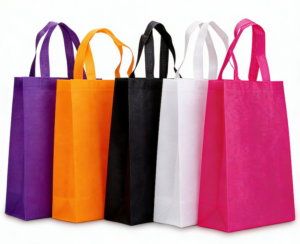
The luxury retail landscape is undergoing a significant transformation. Today’s high-end shoppers aren’t just looking for exquisite products—they’re demanding that the brands they support share their values around environmental responsibility. This shift has created both a challenge and an opportunity for boutique retailers who want to maintain their premium positioning while reducing their ecological footprint.
Non-woven packaging has emerged as a game-changing solution that allows boutiques to achieve this delicate balance. Unlike traditional plastic or paper alternatives, non-woven materials offer the durability, aesthetic appeal, and sustainability credentials that luxury brands need.
This comprehensive guide explores how boutique retailers can implement non-woven packaging strategies to create a genuinely sustainable luxury experience that resonates with conscious consumers.
Understanding Non-Woven Materials and Their Benefits:
Non-woven fabrics are engineered textiles created by bonding fibers together through mechanical, thermal, or chemical processes, rather than through traditional weaving or knitting. This manufacturing process creates a material that’s surprisingly versatile and offers distinct advantages over conventional packaging options.
The beauty of non-woven materials lies in their unique combination of properties.
They’re lightweight yet durable, providing excellent protection for delicate luxury items without the bulk of traditional packaging. Unlike plastic, non-woven materials are breathable, which makes them particularly suitable for items that need air circulation, such as leather goods, textiles, or fragrance products.
From a sustainability perspective, non-woven materials can be manufactured from recycled fibers, making them an environmentally conscious choice.
Many non-woven options are biodegradable or recyclable, depending on their composition. This means that when customers receive their purchases in non-woven packaging, they’re holding something that tells a story about the brand’s commitment to the planet.
The material’s tactile quality is another significant advantage.
Non-woven fabrics have a premium feel that aligns perfectly with luxury branding. Customers appreciate the sensory experience of touching quality packaging, and non-woven materials deliver this satisfaction while being environmentally responsible. This is crucial for boutique retailers who understand that unboxing experiences significantly influence customer perception and brand loyalty.
The Environmental Impact of Traditional Luxury Packaging:
To truly understand the value of switching to non-woven packaging, it’s important to recognize the environmental costs of traditional luxury packaging methods. Many high-end boutiques have historically relied on materials like virgin plastic, heavily treated paper, and plastic-coated fabrics that look luxurious but carry significant environmental consequences.
Traditional plastic packaging takes hundreds of years to decompose, and much of it ends up in landfills or, worse, in our oceans.
Even when recycled, plastic loses quality with each cycle, eventually becoming unusable waste. For boutiques sending multiple packages daily, the cumulative impact is substantial.
Heavy paper-based packaging requires significant water and chemical processing during manufacturing.
The bleaching and coating processes used to make paper packaging look premium often involve toxic chemicals that contaminate waterways. Additionally, the transportation weight of traditional packaging increases carbon emissions, as heavier packages require more fuel to ship.
Non-woven alternatives address these concerns directly.
They’re manufactured with significantly lower water consumption, fewer chemical treatments, and can be sourced from recycled materials. The lighter weight of non-woven packaging also reduces transportation emissions, creating a smaller carbon footprint across the entire supply chain.
Comparison for different packaging material:
| Feature/Material | Non-Woven Fabric | Algodão | Tela | Juta | rPET (Recycled PET) | Paper |
|---|---|---|---|---|---|---|
| Material Source | Synthetic fibers bonded (often polypropylene) | Natural fiber from cotton plants | Natural heavy cotton or hemp fabric | Natural plant fiber (jute plant) | Recycled plastic bottles (polyethylene terephthalate) | Wood pulp |
| Durabilidade | Moderate to high, tear-resistant | Moderate, can wear out with washing | High durability | Moderate, prone to fraying | High, strong and resistant | Low to moderate, tears easily |
| Peso | Leve | Lightweight to medium | Pesado | Médio | Lightweight to medium | Muito leve |
| Resistência à água | Generally water-resistant if treated | Absorbs water, not water-resistant | Absorbs water, can rot if wet | Absorbs water, weakens when wet | Water-resistant | Not water-resistant |
| Impacto ambiental | Can be made from recycled materials, biodegradable depending on type; energy used in manufacturing varies | Biodegradable and natural; requires water and pesticides for cultivation | Biodegradable and durable; resource and water intensive to produce | Biodegradable, low environmental impact; sustainable crop | Recycles plastic waste reducing landfill; not biodegradable but recyclable | Biodegradable but requires trees; often single-use |
| Custo | Low to moderate cost | Moderate to high cost | High cost | Low to moderate cost | Moderate to high cost | Very low cost |
| Reusability | Reusable multiple times, but lifespan varies based on usage | Long-lasting if cared for properly | Very long-lasting | Moderately reusable | Highly reusable | Limited reuse |
| Opções de personalização | Excellent for printing and colors | Good for printing and dyeing | Good for printing and dyeing | Limited dyeing and printing options | Good printing and colors | Excellent for printing |
| Biodegradability | Depends on material type; some are biodegradable, others are not fully biodegradable | Fully biodegradable | Fully biodegradable | Fully biodegradable | Not biodegradable but recyclable | Fully biodegradable |
| Typical Uses | Shopping bags, sacolas para presentes, packaging | Sacolas, roupas | Heavy-duty bags, apparel | Tote bags, sacks | Reusable shopping bags, bottles | Shopping bags, wrapping |
How Boutiques Can Go Green with Non-Woven Packaging: – 1
1.Designing Luxury Experiences with Non-Woven Packaging
Creating a memorable unboxing experience is paramount in the luxury retail sector. Customers expect packaging that reflects the quality and exclusivity of what’s inside. Non-woven materials can absolutely deliver on this expectation while maintaining environmental integrity.
The customization possibilities with non-woven packaging are extensive.
Boutiques can choose from various colors, textures, and finishes that convey luxury and sophistication. Embossing, printing, and dyeing techniques allow for personalized branding that makes packages instantly recognizable. A boutique selling high-end jewelry, for example, could use soft, neutral-colored non-woven pouches with embossed logos that feel premium and exclusive.
The tactile experience matters tremendously.
When a customer opens a package wrapped in quality non-woven material, they experience a different sensory interaction than they would with plastic or standard cardboard. The fabric-like quality feels intentional and thoughtful, suggesting that the brand cares about both the customer and the environment.
Boutiques can also layer non-woven packaging with other sustainable materials to create sophisticated presentations.
A luxury clothing boutique might use non-woven garment bags paired with recycled paper tissue and natural fiber ribbons. This combination creates an elevated unboxing experience that tells a cohesive story about the brand’s values without compromising on luxury aesthetics.
How Boutiques Can Go Green with Non-Woven Packaging: – 2
2.Cost Considerations and Long-Term Value
One concern boutique owners often raise about sustainable packaging is cost. Non-woven materials do come with a price tag, but understanding the full financial picture reveals that the investment often pays dividends.
While non-woven packaging may cost more per unit than basic plastic alternatives, it’s frequently comparable to or less expensive than premium traditional luxury packaging options.
When boutiques shift from high-end paper boxes with plastic coatings to non-woven alternatives, the cost difference is often negligible.
The real value emerges when considering the broader business impact.
Sustainable packaging has become a powerful marketing tool. Customers are willing to pay premium prices for products from brands that align with their environmental values. Studies consistently show that conscious consumers prefer shopping with retailers who demonstrate genuine sustainability commitments. This preference translates directly into customer loyalty and repeat purchases.
Additionally, non-woven packaging is reusable.
Many customers keep beautiful non-woven bags and pouches, using them for storage or travel. This extended life cycle means your packaging continues promoting your brand long after the initial purchase, providing ongoing marketing value without additional cost.
How Boutiques Can Go Green with Non-Woven Packaging: – 3
3.Implementing Non-Woven Packaging in Your Boutique
Transitioning to non-woven packaging requires thoughtful planning and execution. Start by assessing your current packaging needs. What products do you ship most frequently? What are your brand colors and aesthetic preferences? What size and style of packaging would best suit your offerings?
Working with a reputable non-woven packaging supplier is essential.
Look for manufacturers who specialize in sustainable materials and can provide detailed information about their sourcing and production processes. Request samples to test with your products and gather customer feedback. This testing phase helps ensure that your chosen packaging genuinely protects your items while delivering the luxury experience you want to provide.
Consider phasing in non-woven packaging gradually if you’re concerned about costs.
You might start with certain product categories or offer it as a premium packaging option alongside traditional materials. This approach allows you to monitor customer response and adjust your strategy based on real-world feedback.
Train your team to communicate the sustainability story behind your packaging choices.
When customers ask about the non-woven materials, your staff should be able to explain confidently why you’ve made this choice and what environmental benefits it provides. This education transforms packaging from a functional element into a brand narrative that strengthens customer relationships.
How Boutiques Can Go Green with Non-Woven Packaging: – 4
4.Building Brand Identity Through Sustainable Choices
For boutiques, brand identity is everything. Sustainable packaging isn’t just an environmental decision—it’s a powerful branding tool that communicates your values to customers, partners, and competitors.
Customers increasingly want to support businesses that care about the planet.
By adopting non-woven packaging, you’re making a visible statement about your brand’s priorities. This authenticity resonates deeply, especially among younger consumers who factor environmental responsibility into their purchasing decisions.
Non-woven packaging also differentiates your boutique in a crowded marketplace.
While many retailers still use conventional packaging, choosing sustainable alternatives sets you apart as innovative and forward-thinking. This positioning attracts customers who share your values and are actively seeking brands that align with their beliefs.
The sustainability story becomes part of your brand narrative.
Whether you’re highlighting it in marketing materials, mentioning it in social media content, or simply letting customers experience it firsthand through your packaging, this commitment to environmental responsibility enhances your brand image and builds emotional connections with your audience.
Conclusão:
The shift toward sustainable luxury packaging isn’t a temporary trend—it’s the future of retail. Boutiques that embrace this transition now position themselves as leaders in an industry that’s rapidly evolving toward greater environmental responsibility.
Non-woven packaging offers boutique retailers a practical solution that doesn’t require compromising on luxury, aesthetics, or brand positioning. It protects products effectively, creates memorable unboxing experiences, and tells a story about your brand’s values and commitment to the planet.
The investment in sustainable packaging pays dividends through customer loyalty, brand differentiation, and the genuine satisfaction of knowing your business is operating responsibly. As conscious consumers continue to prioritize sustentabilidade in their purchasing decisions, boutiques that have already made this transition will find themselves ahead of the curve.
Start exploring non-woven packaging options today. Request samples, test them with your products, and gather feedback from your customers. The journey toward sustainable luxury is one that positions your boutique for long-term success while making a meaningful positive impact on the environment. Your customers will appreciate it, your brand will benefit from it, and the planet will thank you for it.
FAQs about How Boutiques Can Go Green with Non-Woven Packaging: – 1
Q: What exactly is non-woven fabric, and how is it different from traditional woven textiles?
Non-woven fabric is made by bonding fibers together through mechanical, thermal, or chemical means, rather than weaving or knitting threads. This results in a fabric that is strong yet lightweight and often more affordable to produce. Unlike woven textiles, non-woven materials don’t have a structured pattern of interlaced threads, which gives them unique properties such as better water resistance and easier customization.
Q: Is non-woven packaging recyclable?
Many non-woven fabrics—especially those made from polypropylene—can be recycled, but their recyclability depends on local recycling facilities and systems. Some types of non-woven packaging are also biodegradable if made from natural fibers or specially treated synthetics. It’s important to check the specifications from your supplier and educate customers on proper disposal methods.
Q: How does non-woven packaging compare to cotton or canvas in terms of environmental impact?
Cotton and canvas are natural materials and fully biodegradable, but their cultivation requires significant water, pesticides, and land resources. Non-woven fabrics made from recycled materials often use less water and energy in production. However, non-woven fabrics made from virgin synthetic fibers can have a higher carbon footprint. Choosing recycled or biodegradable non-woven options helps mitigate these impacts.
Perguntas frequentes: – 2
Q: Can non-woven bags be reused multiple times like cotton or canvas bags?
Yes, non-woven bags are designed to be reusable and durable for multiple uses. While cotton and canvas bags generally last longer due to their heavier fabric, high-quality non-woven bags can still provide many uses before wearing out, making them a practical eco-friendly option.
Q: Are there any limitations to using non-woven packaging for luxury products?
The main limitation might be consumer perception. Some customers associate luxury with natural materials like leather, cotton, or wood-based paper. However, when designed thoughtfully with premium finishes and branding, non-woven packaging can offer an elegant, sophisticated look that matches luxury expectations while emphasizing sustainability.
Q: How can boutiques educate their customers about the benefits of non-woven packaging?
Boutiques can include informational tags or inserts inside packages explaining the environmental advantages of non-woven materials. They can also share stories on social media or their websites about their sustainable packaging journey. Staff training to confidently discuss these points helps make the message authentic and engaging.
Perguntas frequentes: – 3
Q: Is non-woven packaging waterproof?
Non-woven fabric is generally water-resistant but not fully waterproof unless treated with additional coatings. This makes it suitable for protecting many luxury items but not ideal for products that must remain completely dry in wet conditions.
Q: What are the cost differences between non-woven packaging and other reusable materials?
Non-woven packaging usually falls in the low to moderate price range, often less expensive than natural fiber bags like cotton or canvas but more costly than standard single-use plastic bags. The long-term value gained through reusability and brand enhancement often justifies the initial investment.
Q: Can non-woven packaging be customized with logos and colors?
Absolutely. Non-woven materials are highly customizable. They can be printed, dyed, embossed, or combined with other decorative elements to create a unique look that aligns with a boutique’s branding.
Q: How does the weight of non-woven packaging affect shipping costs compared to other materials?
Non-woven packaging is lightweight, which can help reduce shipping costs compared to heavier materials like canvas or thick paperboard boxes. This also lowers transportation emissions, contributing to overall sustainability goals.