


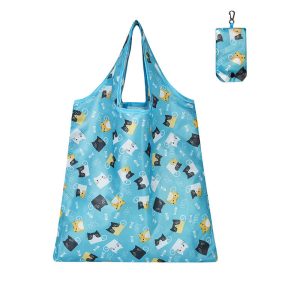

This Folding Vest Bag Color Printed Nylon Polyester Advertisement Reusable Supermarket Light Weight Grocery Shopping Tote Folding Bag is sized just right to fit anywhere and go everywhere!
- Made of 190T polyester material; making it durable and water-proof
- Folds into its own pocket so it can be stored in a purse, pocket, or glove compartment
- 9″ T-Shirt handles gives this reusable shopping tote a functional finish
- Comes in many eye-catching colors to accent your logo
Foldable fabric bags offers various advantages. The most important reason is that they are environment-friendly. It is always good to care about your environment. And when a product does not have an ill effect on your environment, then that product deserves a thumb up. Apart from this they also save your money. You don’t need buy a paper bag every time you go shopping to put the items. You can simply fold the bag and carry it along.
Product Specifications about Folding Vest Bag Color Printed Nylon Polyester Advertisement Reusable Supermarket Light Weight Grocery Shopping Tote Folding Bag:
| Item |
Nylon Polyester Advertisement Reusable Supermarket Light Weight Grocery Shopping Tote Folding Bag |
|---|---|
| Material | Polyester 190t |
| Printing | Silk Screen/Sublimation |
| Tamanho | 15″*23″ |
| Color | CMYK or Pantone color available |
| MOQ | 500 – 1000pcs |
| Usage |
|
Best Reusable Shopping Bags for Grocery Hauls:
| Material | Durability & load-bearing | Ease of cleaning | Typical lifespan & reuse potential | Eco notes & trade-offs |
|---|---|---|---|---|
| Recycled PET / polyester | Strong enough for repeated full grocery loads and resists stretching or tearing when seams and handles are well reinforced. | Usually wipe-clean and sometimes machine-washable on gentle; dries relatively quickly but can hold odors if not fully dried. | Often delivers many months to years of weekly use; fabric tends to stay intact while failure points are stitching or hardware. | Uses recycled plastic, reducing demand for new petroleum, but still sheds microplastics and needs many reuses to outweigh its production impact versus single-use bags. |
| Nylon | Tough, flexible, and good at handling heavy mixed loads without tearing; common in foldable pocket bags and some higher-end totes. | Generally easy to wipe or hand-wash; thinner nylon dries fast, thicker versions can take longer but don’t usually shrink. | Well-made nylon bags can last for years, especially if folds and seams aren’t overstressed. | Derived from virgin plastics with a relatively high energy footprint; durability and compactness mean it can be a practical choice if you actually reuse it frequently over time. |
| Organic cotton | Handles moderate to heavy loads, especially in canvas form, but can stretch a little with very heavy items; seams and handles matter as much as . | Machine-washable in most cases and comfortable to handle; takes longer to dry and can shrink or distort if washed on hot or dried aggressively. | Can last many years if washed gently and not overloaded; fabric softens over time but usually stays serviceable even with cosmetic wear. | Lower pesticide use and often better farming practices than conventional cotton, but still water- and land-intensive; needs substantial reuse to offset production compared with plastic-based bags. |
| Conventional cotton | Similar load-bearing to organic : good for groceries when the fabric weight and stitching are robust. | Also easy to machine-wash, though colors may fade; drying time is longer than synthetics and shrinkage is possible. | Durable when made from thick canvas; lifespan is mainly limited by seams, surface wear, or stains rather than the fibers themselves. | Higher pesticide and fertilizer use than organic cotton and heavy water consumption; environmental impact improves significantly with repeated long-term use. |
| Jute / hemp | Naturally strong fibers that handle heavy, bulky loads well, especially when combined with reinforced bases or synthetic liners. | Spot-cleaning is safest; full washing is possible but slower to dry and can change texture, so these bags are often treated as wipe-clean with occasional gentle washes. | Tends to be long-lived structurally, though the surface can become rough or fuzzy with age. | Generally lower-input crops than cotton and can be a solid choice for sturdy totes, but any plastic linings or coatings add complexity at end of life. |
| Polipropileno não tecido | Light yet surprisingly strong for typical supermarket loads; common in promotional totes and store-branded reusable bags. | Best treated as wipe-clean, though some can handle gentle hand-washing; drying is quick but aggressive scrubbing can weaken the fabric over time. | Can last dozens of trips if not overloaded or abraded; once creases crack, strength drops and the bag should be retired. | Made from plastic with relatively low cost and weight; requires consistent reuse to offset its production, and worn-out bags may be hard to recycle locally. |
| Insulated composites | Panels and foam or reflective linings add structure and protect cold or fragile items; strong enough for heavy, dense loads when handles and seams are reinforced. | Interior surfaces are usually wipe-clean; some soft-sided bags allow gentle washing, but drying the insulation thoroughly takes time. | Often used less frequently than regular totes but can stay functional for many seasons if not punctured or torn. | Mixed materials (plastics, foams, fabrics) make recycling difficult; their eco benefit comes mainly from preventing food waste and reducing reliance on disposable coolers or bags. |


Avaliações
Não há avaliações ainda.