


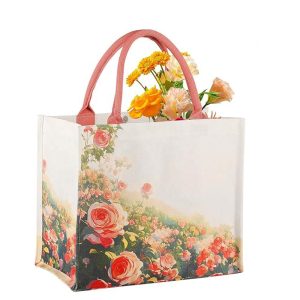

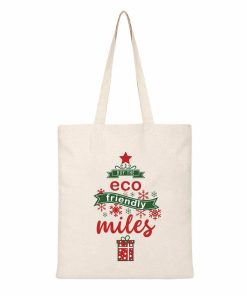
You can’t go wrong to High-quality Grocery Handbags Top Fashionable Lightweight Spacious Canvas Beach Tote Bag for Women Birthday Wedding Gift Bag!
- Repels Dirt, Stains, And Odors
- Quick And Easy To Use
- Durable and stylish
- Perfect piece for holding all your necessary items
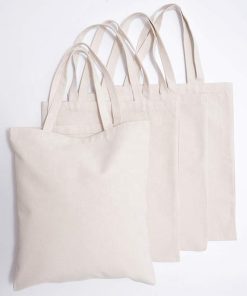
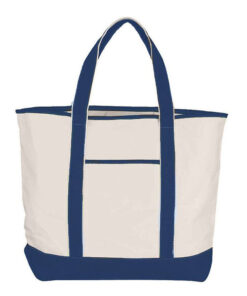
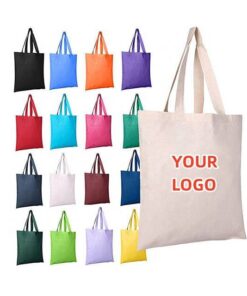
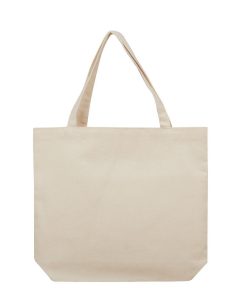
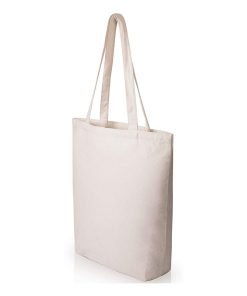
This fairly large rope handle tote bag has a squared-off bottom for support and stability. The 10oz canvas and reinforced stress points help prevent tearing and ensure the bag lasts for years of use. It is perfect for beach and pool activities, promotional giveaways, shopping, family picnics, and other events. This bag will come in handy for any occasion you have planned.
Product Specifications about High-quality Grocery Handbags Top Fashionable Lightweight Spacious Canvas Beach Tote Bag for Women Birthday Wedding Gift Bag:
| Item | High-quality Grocery Handbags Top Fashionable Lightweight Spacious Canvas Beach Tote Bag |
|---|---|
| Material | Lona de algodão |
| Printing | Silk Screen/Heat Transfer/Digital/Embroidery |
| Tamanho | 16″*8″*14″ |
| Color | CMYK or Pantone color available |
| MOQ | 500 – 1000pcs |
| Usage |
Difference Between Organic Cotton vs. Conventional Cotton:
Organic cotton is cultivated using natural agricultural practices, including crop rotation and composting, and avoids the use of synthetic chemicals and genetically modified organisms (GMOs). This method promotes soil health and encourages biodiversity. In contrast, conventional cotton farming uses synthetic fertilizers, pesticides, and GMOs, which may enhance yields but can have detrimental effects on the environment.
| Destaque | Organic Cotton | Conventional Cotton |
|---|---|---|
| Farming Method | Utilizes natural farming techniques (crop rotation, composting, no synthetic chemicals) | Relies on chemical-intensive methods (synthetic fertilizers, pesticides, GMOs) |
| Chemical Use | Free from synthetic fertilizers and pesticides | Involves extensive use of synthetic chemicals to increase yield |
| Impact on Soil | Enhances soil health and prevents degradation | Depletes soil nutrients and diminishes biodiversity |
| Water Usage | Generally more efficient due to healthier soil but may require more water in arid regions | High water consumption with reliance on irrigation |
| Greenhouse Gas Emissions | Lower emissions associated with chemical-free farming, although may increase due to needing more land | Higher emissions resulting from chemical production and intensive farming practices |
| Biodiversity | Promotes biodiversity and supports ecosystem health | Decreases biodiversity through monoculture and chemical applications |
| Environmental Footprint | Smaller overall footprint, although may need more land area | Larger footprint due to high chemical and water usage |
| Farmer Impact | Safer working conditions with no exposure to toxic chemicals | Farmers face health risks from exposure to pesticides and fertilizers |
This comparison highlights the significant differences in sustainable practices, environmental impact, and implications for farmers between organic and conventional cotton farming.

Avaliações
Não há avaliações ainda.