


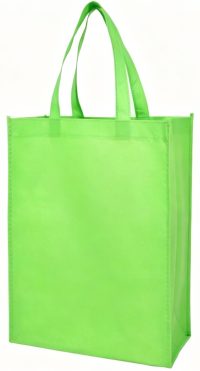
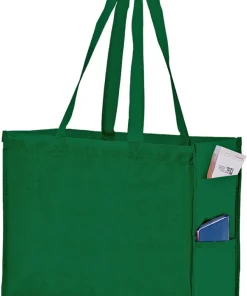
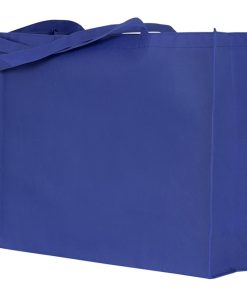
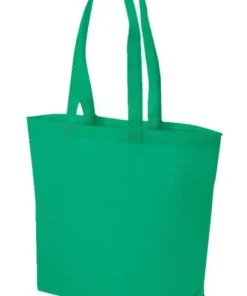
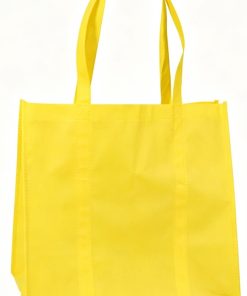
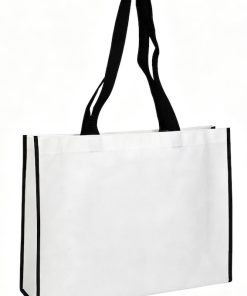
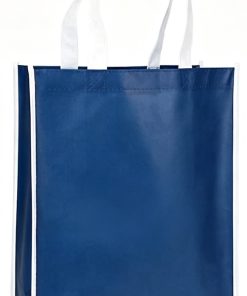
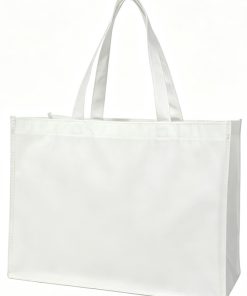
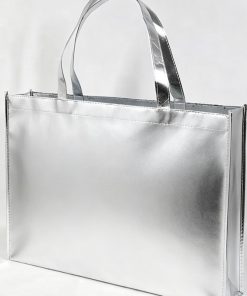
Hand Low Price Eco Friendly Customized Large Polypropylene Non Woven Tote Bags for Grocery Shopping out at conferences, trade shows, conventions, and more!
- Made of 80 gms recycled non-woven polypropylene.
- Features an open main compartment and 26″ handles.
- Get your logo printed on these bags to convey your message.
These bags are designed for durability and functionality, making them ideal for a variety of uses. Elevate your brand or event with our customizable options, creating a lasting impression with every use.
Product Specification about Low Price Eco Friendly Customized Large Polypropylene Non Woven Tote Bags for Grocery Shopping:
| Item |
Low Price Eco Friendly Customized Large Polypropylene Non Woven Tote Bags |
|---|---|
| Material | 80g Non-Woven Polypropylene |
| Tamanho | 8″*4“*10” |
| Handle | Non-Woven Polypropylene (X Stitching) |
| Printing | Silk screen / Heat transfer / Digital |
| MOQ | 500-1000 pcs |
| Packaging | Carton or customized packaging |
| Usage |
FAQS aboutLow Price Eco Friendly Customized Large Polypropylene Non Woven Tote Bags for Grocery Shopping:
1.Are Nonwoven Textiles Biodegradable?
The biodegradability of nonwoven textiles really comes down to the materials they’re made from. Most commercial nonwoven bags—like those made with polypropylene (PP) or polyester (PET)—aren’t biodegradable. These synthetic polymers are durable and water-resistant, but can persist in the environment for years after disposal.
However, some nonwoven textiles produce using natural fibers such as cotton, jute, or viscose. Bags made from these organic materials do break down much more easily, decomposing naturally when exposed to soil, moisture, and microorganisms.
It’s worth noting that recent innovations have led to biodegradable versions of nonwoven textiles. These design to degrade more quickly under composting or natural conditions, though they aren’t as widely available or used as their synthetic counterparts.
In summary:
- Synthetic nonwoven bags (PP, PET): Not biodegradable, durable, and long-lasting.
- Natural fiber nonwoven bags (cotton, jute, viscose): Biodegradable, compostable, and a better choice for the eco-conscious.
- Biodegradable alternatives: Available, but less common in the mainstream market.
As attention grows around sustentabilidade, choosing nonwoven bags made from natural or biodegradable fibers is an important consideration for reducing environmental impact.
Perguntas frequentes: – 2
2.Is Spunbond Nonwoven Fabric Recyclable?
Absolutely—spunbond nonwoven fabric, most commonly made from polypropylene, can be recycled. Since polypropylene is a thermoplastic polymer, it can melt down and reprocess into new items, much like other recyclable plastics.
Proper recycling of spunbond nonwoven fabric typically involves:
- Collection and Sorting: Keeping the material clean and separating it from other waste streams to ensure effective recycling.
- Processing: The fabric melt and remanufacture into various products, helping close the loop on plastic waste.
This recyclability, paired with its strength and versatility, is a major reason why spunbond nonwoven fabric is chosen for a wide range of applications—from medical supplies to sacolas de compras. By recycling spunbond nonwoven materials, companies and individuals contribute to more sustainable consumption and production cycles, minimizing landfill waste and supporting eco-friendly initiatives.
FAQS: – 3
3.Is Non-Woven Fabric Good for Clothing?
Non-woven fabric has carved out an important niche in the clothing world—just not where you might expect polos and jeans to show up. Thanks to its lightweight, breathable nature, non-woven material is widely to use for single-use and protective garments, especially in medical and industrial settings.
Think of hospital gowns, surgical masks, and disposable lab coats. These often make from non-woven polypropylene, which offers excellent barrier protection against liquids and particles—crucial for maintaining hygiene and safety. Its flexibility and softness bring comfort for short-term wear, making it an ideal choice for situations where disposability and cleanliness are paramount.
However, non-woven fabric doesn’t design for everyday fashion. It doesn’t boast the stretch or durability needed for regular, long-term use—so don’t retire your favorite cotton t-shirt just yet! Instead, non-woven’s strengths shine in applications where cost-effectiveness, hygiene, and convenience are more important than longevity or high style.
In summary, non-woven fabric is a smart, practical choice for disposable, protective, and medical wear—offering functionality where it matters most.
Avaliações
Não há avaliações ainda.