


Boat Tote vs Tote Bag:Understanding the Key Differences and Finding Your Perfect Carry!
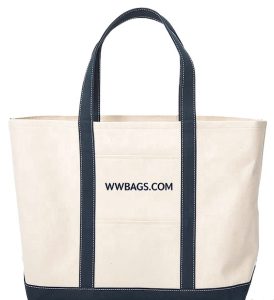
When you’re shopping for a new bag, you’ve probably encountered the terms “boat tote” and “tote bag” used interchangeably. While these two styles do share some similarities, they’re actually quite different in important ways.
Whether you’re a B2B buyer looking to stock inventory or a consumer trying to find the right bag for your lifestyle, understanding these differences matters.
Let’s break down everything you need to know about boat totes and traditional tote bags so you can make an informed decision.
The Fundamental Differences Between Boat Totes and Tote Bags:
Before we get into the nitty-gritty details, it’s important to understand that while both are bags you carry by hand, they serve different purposes and have distinct characteristics. A tote bag is a broad category that encompasses many types of shoulder-carried bags with open tops and simple designs. A boat tote, on the other hand, is a specific style within that broader category—one that was originally designed for boating and water activities.
The confusion often arises because boat totes technically fall under the umbrella of tote bags, but not all tote bags are boat totes. Think of it like how all squares are rectangles, but not all rectangles are squares. This relationship is important to understand when you’re trying to figure out which bag you actually need.
| Feature | Typical canvas boat tote | Basic lightweight shopping tote |
|---|---|---|
| Construction | Often has a defined base and reinforced areas | Often uses a simpler flat or lightly gusseted design |
| Feel | More substantial, sometimes relatively stiff | Usually soft and flexible |
| Empty weight | Often heavier | Usually lighter |
| Packing | Accommodates bulky items more readily when the base is deep | Convenient for flatter items and lighter purchases |
| Storage between uses | May take up more space when folded | Usually folds into a smaller bundle |
| Common applications | Daily carry, trips, gifts, and retail merchandise | Backup shopping bags, lightweight giveaways, and occasional carry |
Key Difference Between Boat Tote vs Tote Bag: – 1
1.Category vs Style: How They’re Classified
The distinction between boat totes and regular tote bags really comes down to how they’re classified in the marketplace. A tote bag is a category—it’s a general classification for any bag with handles that you carry by hand or over your shoulder. This category includes shopping totes, canvas totes, designer totes, and yes, boat totes as well.
A boat tote, however, is a specific style within that category. It’s a design that came into existence for a particular purpose and has maintained certain characteristics that make it distinctly different from other totes. When retailers classify bags, they might organize them by material, size, intended use, or design style. Boat totes are typically classified by their intended use and distinctive shape.
In the B2B world, this distinction matters significantly. Suppliers and retailers need to know exactly what they’re ordering because the market for boat totes is different from the market for general tote bags. A customer shopping for a boat tote has specific needs and expectations, while someone shopping for a regular tote bag might have a much broader set of preferences.
Key Difference Between Boat Tote vs Tote Bag: – 2
2.Shape and Structure: The Most Obvious Difference
Here’s where you’ll notice the most obvious visual difference between these two bag styles. A boat tote has a very distinctive shape that sets it apart. It’s typically wider at the top than at the bottom, creating a tapered appearance. This shape is intentional and functional—it was designed to hold items securely while preventing them from shifting around, especially on a moving boat.
A traditional tote bag usually has a more uniform shape. The width at the top is generally the same as the width at the bottom, creating a rectangular or slightly trapezoidal silhouette. This simpler shape is easier to manufacture and allows for more versatile styling options.
The sides of a boat tote are often more structured and rigid, sometimes featuring reinforced panels. Regular tote bags typically have softer, more flexible sides that can collapse when empty. The boat tote’s structured design means it holds its shape whether it’s full or empty, which is another key difference.
The handles on boat totes usually position at the widest part of the bag, near the top. They often make from sturdy materials like rope, leather, or reinforced canvas. Regular tote bags have handles that are typically attached at the corners or sides and can make from various materials.
Key Difference Between Boat Tote vs Tote Bag: – 3
3.Capacity and Size Considerations
When it comes to how much you can carry, boat totes and regular tote bags differ in practical ways. Boat totes typically have a generous capacity, often ranging from 15 to 25 liters or more. Their tapered shape and structured design allow them to hold a significant amount of material without losing their form.
Regular tote bags vary much more widely in size. Some are small enough to carry just a few items, while others are quite large. The average tote bag might hold anywhere from 5 to 20 liters, but there’s much less standardization in the category.
Beyond just the numbers, the way these bags hold their contents differs too. A boat tote’s structured shape means items stay in place and organized. The tapered design prevents things from shifting or getting crushed at the bottom. With a regular tote bag, especially a soft canvas one, items can shift around more freely, and heavier items can compress lighter ones.
Key Difference Between Boat Tote vs Tote Bag: – 4
4.Carrying Purpose: What Each Bag Is Designed For
Understanding the intended use of each bag type helps explain why they’re designed differently. Boat totes literally create for boating. They needed to be waterproof or water-resistant, durable enough to withstand harsh marine environments, and structured enough to hold items securely on a moving vessel. The original boat totes make from canvas or heavy-duty materials that could handle salt water, sun exposure, and rough handling.
Regular tote bags design for general carrying purposes. They’re meant for shopping, running errands, going to the beach, carrying books, or just everyday transport of various items. Because they serve such a broad purpose, they come in many different materials, sizes, and styles.
This difference in purpose affects everything from the materials used to the construction methods. Boat totes are built for durability and function, while regular tote bags can prioritize style and aesthetics more heavily. Of course, modern boat totes have evolved to be fashionable as well, but their core design still reflects their functional origins.
Key Difference Between Boat Tote vs Tote Bag: – 5
5.Different Applications and Use Cases:
The applications for these two bag styles are where their differences really become practical. Boat totes excel in situations where you need a durable, structured bag that can handle active use. People use boat totes for boating, yes, but also for beach trips, weekend getaways, gardening, outdoor activities, and any situation where you need a sturdy bag that won’t collapse.
The structured design of a boat tote makes it perfect for carrying items that need to stay organized and protected. If you’re bringing expensive equipment to the beach or transporting items that shouldn’t get crushed, a boat tote is your friend. They’re also popular with professionals who use them as work totes for construction sites, gardens, or outdoor events.
| Use | Typical contents | Features worth considering |
|---|---|---|
| Shopping and errands | Groceries, books, and personal items | Comfortable handles, suitable base depth, and reliable seams |
| Work and study | Documents, lunch, a bottle, and a laptop sleeve | Adequate opening width, useful pockets, and comfortable shoulder carry |
| Beach days and picnics | Towels, spare clothing, and outdoor essentials | Generous volume, easy access, and suitable care instructions |
| Short trips | Clothing, toiletries, and a shoe pouch | A closure, manageable packed weight, and practical dimensions |
| Gifts and merchandise | A welcome kit or the recipient’s own belongings | Appropriate size, coordinated colors, and considered decoration |
Regular tote bags have broader applications. You’ll see them used for grocery shopping, as work bags, for traveling, as book bags, and for casual carrying. They’re lighter and more flexible, making them comfortable for everyday use. Because they come in so many styles and materials, they can work for almost any situation where you need to carry multiple items.
Boat Tote, Canvas Tote, and Boat Bag: What Do the Names Mean?
The terms overlap, but they do not all describe the same thing. A product name is a starting point for comparing bags; the dimensions and construction provide the more useful detail.
| Term | What it describes | What to check |
|---|---|---|
| Boat tote / canvas boat tote | A carryall style commonly associated with a defined base and visible handle attachments | Actual fabric, base construction, and handle configuration |
| Boat and Tote® | L.L.Bean’s branded product line | The specifications of that particular model |
| Canvas tote | A broad material-based category, including flat and structured designs | Whether the bag has depth, reinforcement, lining, or pockets |
| Two-tone tote | A bag combining two colors | Color alone does not define the construction or strength |
| Beach bag | A bag chosen or designed for beach use | Material, sand removal, wet-item separation, and drying requirements |
| Boat bag / boating bag | An ambiguous description that may include canvas carryalls or dedicated marine gear bags | Whether the intended use requires weather resistance or waterproof protection |
A boat tote can also be a canvas tote, a two-tone tote, and a beach bag. These descriptions highlight different aspects of the same product.
What B2B Buyers Frequently Ask?
If you’re in the business of selling or sourcing bags, you’ve probably heard certain questions repeatedly. B2B buyers want to know specific things about both boat totes and regular tote bags, and understanding these questions and answers can help you serve your customers better.
How waterproof are boat totes compared to regular totes?
Boat totes are typically more water-resistant or waterproof, depending on the material and construction. Traditional tote bags may not have any water resistance at all, though some are made from water-resistant canvas. If water resistance is important, boat totes are generally the better choice.
What materials are best for durability?
Boat totes are usually made from canvas, heavy cotton, nylon, or synthetic materials specifically chosen for durability. Regular tote bags come in more variety, including lightweight cotton, canvas, and various synthetic materials. For maximum durability, you want thicker, heavier materials.
How do pricing and margins differ?
Boat totes typically cost more to produce due to their structured design and reinforced construction. They also command higher retail prices because of their perceived quality and specialized function. Regular tote bags have a wider price range and can be produced more cheaply.
What’s the typical lifespan of each bag type?
A well-made boat tote can last for years or even decades with proper care. Regular tote bags vary widely depending on material and construction, but many can last several years with regular use.
Which bags have better branding opportunities?
Both styles work well for branding and custom printing. Boat totes offer a larger, more visible surface area for logos. Regular tote bags come in more style variations, allowing for more creative branding approaches.
What’s the market demand like?
Boat totes have steady demand from specific markets—boating enthusiasts, outdoor adventurers, and people who value durability. Regular tote bags have broader market appeal and higher overall demand volume.
Are there size standards?
Boat totes have more consistent sizing standards because of their specialized purpose. Regular tote bags vary much more widely in dimensions.
Making Your Choice: Simple Answers to What Buyers Want to Know
You need a structured, durable bag that holds its shape. You want something that can handle water and harsh conditions. You’re willing to spend more for quality and longevity. Choose a boat tote.
You need a versatile bag for everyday use. You want lots of style options. You prefer something lighter and more flexible. You’re shopping on a tighter budget. Choose a regular tote bag.
You’re stocking inventory and want to appeal to multiple customer segments. Offer both. Boat totes attract outdoor enthusiasts and quality-conscious buyers. Regular tote bags appeal to the mass market and trend-conscious shoppers.
You want maximum versatility and style options. Regular tote bags win here—they come in countless materials, colors, and designs.
You need something that will last for many years. Boat totes build to last and maintain their value over time.
You want the best option for water activities and outdoor adventures. Boat totes specifically design for these purposes.
You’re looking for affordable bulk orders. Regular tote bags are typically cheaper to produce and purchase in large quantities.
You want a bag that looks professional in business settings. Both can work, but regular tote bags offer more style variety for professional aesthetics.
Conclusion:
The difference between boat totes and regular tote bags isn’t just academic—it’s practical and important. Boat totes are specialized tools designed for durability, structure, and function, particularly in outdoor and water-based environments. Regular tote bags are versatile, affordable, and stylish options for everyday carrying needs.
Understanding these differences helps you make better purchasing decisions, whether you’re buying for personal use or sourcing for retail. Consider what you actually need the bag for, how long you want it to last, and what features matter most to you. With this knowledge, you’ll find the perfect bag for your needs.
Real-Life Stories: – 1
Story 1: A Family Boat Trip Shows Why Structure Matters
On a summer weekend, a family prepared for a day on the water. They packed towels, sunscreen, snacks, water bottles, sunglasses, and a change of clothes into two different bags. The regular tote bag was light and easy to carry, but its soft sides folded inward as the family filled it. Smaller items moved to the bottom, while bottles rolled around and towels covered everything else.
The boat tote worked differently. Its firm sides stayed upright, and its wide opening made it easy to see the contents. The family placed towels at the bottom, food and bottles in the middle, and smaller items in separate pouches near the top. When the boat moved across the water, the structured bag kept its shape and made the contents easier to manage.
Later that afternoon, a small splash landed on the boat tote. Because the bag was made from thick, water-resistant material, the family could wipe it clean and continue using it. The regular tote was not damaged, but its thin fabric became damp and took longer to dry.
This experience showed the main advantage of a boat tote: it is made for demanding conditions. Its structure, strong handles, and durable material make it useful for boating, beach trips, camping, and other outdoor activities. A regular tote bag would still work for a light day trip, but the boat tote offered better support when the bag was full and exposed to water.
Real-Life Stories: – 2
Story 2: A Small Business Uses Tote Bags for Everyday Branding
A local coffee company wanted to give customers a useful gift during its holiday promotion. The owner considered ordering boat totes, but the company mainly served customers who walked to work, visited the market, or carried laptops and notebooks. After comparing the options, the owner chose simple cotton tote bags with the company logo printed on the front.
The tote bags were affordable enough to order in bulk. They were also light, easy to fold, and simple to store behind the counter. Customers used them for groceries, books, lunch containers, and everyday shopping. Each time someone carried a branded bag through the neighborhood, the company received extra visibility.
A boat tote would have offered stronger construction and a more polished appearance, but it would also have cost more. For this promotion, the company did not need a structured bag or water-resistant material. It needed a practical product that could reach many customers while staying within its budget.
The choice worked well because the company matched the bag to its purpose. The regular tote bag was the better option for large-scale promotional use, while a boat tote would have made more sense for a premium customer gift or an outdoor-focused brand.
These two examples show why there is no single best choice for every buyer. A boat tote is usually the stronger option when durability, shape, and outdoor use matter most. A regular tote bag is often the better option when affordability, flexibility, and broad everyday use are the main priorities.