


Choosing the Right Reusable Bags for Retail Stores!
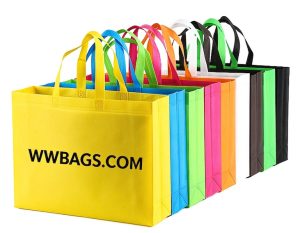
Wiederverwendbare Taschen are no longer just an eco-friendly alternative — they are a branding tool, a customer experience upgrade, and in many cities, a legal necessity.
With single-use plastic bans expanding across the US, EU, UK, Australia, and Asia, retail stores that get their reusable bag strategy right win on three fronts: compliance, customer loyalty, and free walking advertising.
But not all reusable bags are created equal. A flimsy bag that tears outside a grocery store, or a luxury jewelry pouch that feels cheap, can damage your brand faster than no bag at all.
This guide walks retail buyers through everything you need to know: from materials and sizes to handles, printing, store-specific recommendations, and how to work with a reliable manufacturer.
Why Reusable Bags Matter in Modern Retail?
Modern shoppers expect sustainability. According to multiple retail surveys, over 70% of consumers say they prefer to shop at stores that use eco-friendly packaging.
Here’s why reusable bags matter now more than ever:
Regulations:
California, New York, the EU, Canada, and hundreds of other regions now ban or charge for single-use plastic bags. Reusable bags keep you compliant.
Brand Visibility:
A well-designed reusable bag is used 50-100+ times. That’s months of free exposure on streets, subways, and supermarkets — far cheaper than ads.
Customer Experience:
A sturdy, comfortable bag makes carrying purchases easy. A weak one? Customers remember the embarrassment of a broken handle.
Revenue Opportunity:
Many retailers sell premium tote bags for $1.99 – $4.99 as an add-on product, turning packaging from a cost into a profit center.
Sustainability Story:
Reusable bags reduce plastic waste and show your CSR commitment — critical for Gen Z and Millennial shoppers.
Bottom line: Your bag is your store in your customer’s hands. Choose wisely.
Consider How Customers Will Use Reusable Bags?
Before choosing material or size, ask: What will your customers actually do with this bag?
Think about the full journey:
Weight of products:
A bookstore customer may carry 3-5 kg of books. A jewelry store customer carries 100g. Your bag strength must match.
Distance and reuse:
Supermarket bags are carried to cars and homes weekly and must withstand washing and heavy loads. Fashion boutique bags are often reused as everyday totes — style matters more.
Impulse vs. planned purchase:
Grocery shoppers bring their own foldable bags. Gift shop and pharmacy shoppers usually don’t — you need to provide a ready-to-go, attractive bag at checkout.
Storage:
Will customers fold it into a purse or pocket? If so, lightweight foldable polyester or RPET with a pouch is ideal.
Quick buyer tip: Observe your checkout for one day. How many items per transaction? How heavy? Do customers walk, bike, or drive? Your answers will define size, handle length, and material.
Choosing the Right Reusable Bags for Retail Stores: – 1
1.Choosing the Right Material: Non-Woven, Cotton, Canvas, RPET, Paper, Jute
Material determines cost, durability, print quality, and eco-image. Here’s a breakdown for retail buyers:
Non-Woven Polypropylene (NWPP):
The #1 choice for supermarkets and promotions. Lightweight, water-resistant, and very affordable ($0.30 – $0.90/pc in bulk). Holds 10-15kg easily. Great for full-color printing. Downside: not washable in a machine and feels less premium.
Best for: Supermarkets, trade shows, discount stores, pharmacies.
Baumwolle:
Natural, breathable, washable, and loved by eco-conscious brands. Easy to print with screen or DTG. Standard weights: 4oz – 12oz. Thin 4oz cotton is cheap for giveaways; 10-12oz is premium. Downside: wrinkles, shrinks if not pre-shrunk, higher cost for organic cotton.
Best for: Bookstores, organic shops, cosmetics, fashion boutiques.
Segeltuch:
Heavy-duty plain-weave cotton (usually 12oz-16oz). Extremely durable, stands up on its own, premium feel. Perfect for high-end screen printing and embroidery. Lasts for years. Downside: heaviest and most expensive cotton option, higher shipping cost.
Best for: Fashion & clothing, lifestyle brands, gift shops, bookstores.
RPET (Recycled PET):
Made from recycled plastic bottles. Looks like polyester but with a powerful sustainability story: “This bag = 5 bottles saved.” Water-resistant, foldable, strong, and excellent for full sublimation printing with vibrant photos. Very popular in EU and California.
Best for: Supermarkets, cosmetics, sportswear, eco-minded retailers.
Paper (Kraft Recyclable):
Not endlessly reusable, but recyclable, biodegradable, and excellent for short-term reuse (3-5 times). Premium kraft paper with twisted or flat handles feels upscale and prints beautifully. FSC-certified options available. Downside: not water-resistant unless laminated.
Best for: Gift shops, jewelry stores, bakeries, pharmacies, luxury retail.
Jute / Burlap:
Rustic, natural, and very strong with a distinctive texture. Biodegradable and compostable. Often combined with cotton lining for a premium finish. Downside: coarse texture limits fine logo details, and natural smell needs airing.
Best for: Organic food stores, wine shops, garden centers, artisan gift shops.
Pro Tip: Many brands now do a 2-tier strategy: cheap non-woven/RPET for everyday checkout, + premium cotton/canvas tote for sale as branded merchandise.
Choosing the Right Reusable Bags for Retail Stores: – 2
2.Size and Capacity Should Match Your Products:
One size does NOT fit all. Ordering only XL bags for small cosmetics wastes money and looks sloppy.
Use this retail sizing guide:
Small (20-25cm W x 25-30cm H): 2-4kg capacity
For jewelry, cosmetics, lipsticks, pharmacy vials, small gifts, phone accessories. Example: 22 x 10 x 28cm jewelry paper bag.
Medium (30-35cm W x 35-40cm H): 5-8kg capacity
The most versatile retail size. Fits t-shirts, folded jeans, 2-3 books, skincare sets, small grocery runs.
Large (40-45cm W x 40-45cm H): 10-12kg capacity
Standard supermarket and fashion shopping bag. Fits jackets, shoes boxes, 10-12 grocery items.
Extra-Large / Jumbo (>50cm W, gusset >20cm): 15kg+
For bulk supermarkets, wholesale, bedding, large toys. Must have reinforced handles and bottom board.
Always add gusset (side + bottom depth) for boxy items. A flat tote is fine for clothing, but shoe boxes, milk cartons, and gift boxes need an 8-15cm bottom gusset to sit flat.
Order a size mix: e.g., 20% S, 50% M, 30% L for fashion; 10% M, 60% L, 30% XL for supermarkets. Ask your manufacturer for dielines to test with real products before bulk order.
Choosing the Right Reusable Bags for Retail Stores: – 3
3.Select a Bag Style That Fits Your Store
Style affects function, storage, and brand perception:
Flat Tote (No Gusset)
Two flat panels sewn together. Cheap, light, easy to print large logos. Folds flat. Best for fashion, bookstores, giveaways.
Gusseted Tote (Side + Bottom Gussets)
Expands to hold bulky items and stands upright at checkout — cashiers love it. Essential for supermarkets, gift shops, and cosmetics with boxes.
Die-Cut Handle / D-Cut Bag
Non-woven bag with punched handle, common in supermarkets and exhibitions. Ultra-cheap and stackable, but less comfortable for heavy loads.
Drawstring Bag / Pouch
Premium feel for jewelry, cosmetics samples, and small gifts. Also popular for shoes and lingerie.
Foldable / Compact Shopping Bag (Pocket Tote)
Polyester/RPET bag that folds into a 10x10cm pouch with snap or zipper. Customers keep it in purse/pocket. Huge re-order product for supermarkets and pharmacies. Print inside pouch too for branding.
T-Shirt / Vest Bag (U-Cut)
The reusable version of the classic plastic thank-you bag. Familiar, fast to pack, great for high-volume grocery and convenience stores.
Insulated / Cooler Tote
With aluminum lining for frozen food, wine, meal kits. High perceived value for supermarkets and delis.
Backpack Tote / Zip-Top Tote
With zipper closure for security and shoulder straps for comfort. Ideal for commuters, bookstores, and tourism gift shops.
Choose 1 main checkout bag + 1 premium/souvenir style for best results.
Choosing the Right Reusable Bags for Retail Stores: – 4
4. Handle Design Affects Comfort and Durability
Handles are where cheap bags fail first. Pay close attention:
Length:
Short handles (45-55cm total) are for hand-carry boutique bags. Long handles (60-70cm) allow shoulder carry — essential for heavy supermarket and bookstore loads.
Material:
Self-fabric handles are standard for cotton/canvas. For non-woven, use reinforced PP webbing or cotton webbing for extra strength. For paper bags, twisted paper handles hold more weight than flat paper handles.
Attachment:
X-stitched or cross-stitched handles hold 3x more than single box stitch. For loads over 8kg, ask for reinforced “X-box” stitching + back tack.
Komfort:
Wide (3-5cm), soft cotton webbing prevents digging into hands. Avoid thin nylon cord for grocery bags.
Test it: Fill sample bags with 1.5x your average load and carry for 100 meters. Check for tearing, stretching, or discomfort. This 5-minute test saves thousands in complaints.
Choosing the Right Reusable Bags for Retail Stores: – 5
5. Custom Logo Branding Reflects Your Retail Brand
Your bag is a walking billboard. Great branding turns a $0.60 bag into thousands of impressions.
Printing methods:
Screen printing: Best for 1-3 color logos on cotton/canvas/non-woven. Vibrant, durable, low cost in bulk.
Heat transfer / Sublimation: Best for full-color photos on RPET/polyester. Photographic quality.
Offset printing + lamination: Best for luxury paper bags. Sharp, premium matte/gloss finish.
Embroidery / Woven label: Ultra-premium for canvas totes and fashion brands.
Design tips:
Keep logo large — at least 40% of bag front. Small chest-size logos disappear at distance.
Use high-contrast colors: white logo on black/navy canvas, black logo on natural cotton.
Add your story: website, QR code to Instagram, sustainability message (“100% Organic Cotton” / “Made from 6 Recycled Bottles”).
Don’t forget the sides and bottom gusset — that’s visible when customers carry.
Ask your supplier for free digital mockups and pre-production photos. Always approve Pantone colors under daylight, not just on screen.
Choosing the Right Reusable Bags for Retail Stores: – 6
6. Reusable Bags for Different Retail Stores
Different stores, different bags:
Natural 10oz-12oz cotton or black canvas tote with long shoulder handles. Large logo print. Consider selling limited-edition designer totes.
Supermarkets:
Heavy-duty non-woven or RPET gusseted bag + foldable pocket bag. Reinforced X-stitch handles, bottom board, water-resistant. Many chains sell for $1-$2.
Small-medium RPET drawstring or zippered cosmetic pouch + medium cotton tote. Full-color printing to match brand aesthetic. Inside lamination for spill resistance.
Kraft paper bags with ribbon handles + jute gift totes. Add tissue and sticker for unboxing feel. Various small/medium sizes.
Pharmacies:
Small non-woven D-cut or drawstring bags for privacy. Easy to carry, opaque, with clear dosage/pharmacy logo. Foldable styles for repeat customers.
12oz canvas tote with short + long handles (dual-handle design). Reinforced bottom — books are heavy and sharp-cornered. Literary quotes print well.
Jewelry Store:
Small luxury paper bags with cotton cord handles + velvet/drawstring pouch inside. Matte lamination + gold foil logo = instant premium.
Final Checklist for Retail Buyers Before Ordering:
Don’t place a bulk order without this 10-point check:
- Sample tested with real products for weight and fit?
- Material GSM/oz confirmed? (e.g., 80-100 GSM non-woven, 12oz canvas)
- Stitching: X-box on handles, double-stitched seams?
- Print: Pantone colors, placement, spelling approved?
- Compliance: Prop 65, REACH, FDA, FSC certificates if needed?
- MOQ & lead time: 500-1000pcs for custom, 15-25 days production + shipping?
- Packaging: individually polybagged, carton quantity, carton size for freight?
- Cost breakdown: unit price + printing plates + shipping + customs?
- Spare ratio: order 3-5% extra for defects and growth?
- Reorder plan: keep dieline and screens for faster second order?
Always get a pre-production sample (PPS) with your actual logo before approving mass production.
How to Work with a Reliable Manufacturer Partner?
The cheapest Alibaba quote is rarely the cheapest in the long run. A reliable partner saves you from delays, color errors, and quality claims.
Look for:
1. Specialization:
Choose a factory(WWBAGS) that focuses on bags — not a trading company selling everything. Ask for retail client references and photos of their production line.
2. Customization ability:
Can they do material sourcing, size adjustment, handle reinforcement, multiple print methods, and private labeling in-house? The more in-house, the better quality control.
3. Low MOQ & sampling:
Good partners offer 500pcs MOQ for custom and fast 5-7 day sampling (free digital proof + paid physical sample).
4. Transparent communication:
English-speaking sales, detailed quotations, production timeline with QC photos at 3 stages: materials, printing, packing.
5. Compliance & sustainability:
Ask for BSCI, ISO9001, OEKO-TEX, GRS (for RPET), FSC (for paper). If you sell in California/EU, this is non-negotiable.
6. Logistics support:
DDP/DDU shipping, Amazon FBA prep, mixed-size cartons, and experience with your market’s customs.
Start with a small trial order (500-1000pcs), evaluate communication, on-time rate, and defect rate (<2% is excellent). Then scale to annual contracts for better pricing — most factories offer 8-15% discount for 10k+ pcs.
Schlussfolgerung:
The right reusable bag does more than carry products — it carries your brand into your customer’s daily life.
Invest 2-3 weeks in testing materials, sizes, and suppliers now, and you’ll get years of loyal reuse, free marketing, and five-star reviews saying “love their bag!”
Ready to create your custom retail bags? Prepare your logo file (AI/PDF), product dimensions, and estimated quantity — and talk to a specialized bag manufacturer for free mockups and a quote today.
Häufig gestellte Fragen: – 1
1. What is the most cost-effective reusable bag for retail stores?
Non-woven PP bags are the most cost-effective. At $0.30 – $0.90/pc for 1000-5000pcs, they are durable, water-resistant, hold 10-15kg, and support full-color logo printing. That’s why 80% of supermarkets, pharmacies, and promotional retailers choose them as their standard checkout bag.
2. What is the minimum order quantity (MOQ) for custom logo reusable bags?
Most manufacturers require 500-1000pcs per design for custom size/material/printing. Stock blank bags can be ordered from 100pcs. For best unit price, order 3000-5000pcs+ — unit cost typically drops 15-30% compared to 500pcs. Keep the same dieline for cheaper reorders.
3. Which material is best: cotton, canvas, non-woven, RPET, or jute?
It depends on your store:
Non-woven/RPET = best for supermarkets/high-volume, low cost + water-resistant.
Cotton/Canvas (8-12oz) = best for fashion, bookstores, cosmetics — premium, washable, great branding.
Jute = best rustic eco-look for organic/gift shops.
Kraft paper with lamination = best luxury feel for jewelry/gifts. Many retailers use a 2-tier mix: cheap checkout bag + premium tote for sale.
Häufig gestellte Fragen: – 2
4. How long does production and shipping take?
Sampling: 5-7 days. Mass production: 15-20 days after sample approval. Shipping: 5-8 days by air, 25-35 days by sea to US/EU. Plan 40-50 days total for sea freight orders. Always add 1 week buffer for holidays like Chinese New Year.
5. How do I choose the right bag size for my products?
Measure your largest typical product/box, then add 3-5cm. Small (22x28cm) for jewelry/cosmetics, Medium (32x38cm) for t-shirts/books, Large (42x42cm with gusset) for groceries/shoes, XL (50cm+ with bottom board) for bulk. Test samples with real products — a flat tote works for clothes, but boxes need an 8-15cm bottom gusset.
6. What printing method gives the best logo result?
1-3 color logos on cotton/canvas/non-woven: screen printing (most durable + cheapest). Full-color photos on RPET/polyester: sublimation/heat transfer. Luxury paper bags: offset printing + matte/gloss lamination + gold foil. Always confirm Pantone codes and request a pre-production photo.
Häufig gestellte Fragen: – 3
7. Are reusable bags washable?
Cotton, canvas, and polyester/RPET bags: yes, machine or hand wash cold. Non-woven PP: no — wipe clean with damp cloth only, do not machine wash or it will break down. Jute: spot clean only. Tell customers with a printed wash label to extend bag life to 100+ uses.
8. How can I make sure my reusable bags are truly eco-friendly?
Ask your supplier for: GRS certificate for RPET, GOTS/OEKO-TEX for organic cotton, FSC for paper, and REACH/Prop 65 test reports for inks. Avoid PVC lamination. Print your eco-message on the bag: “Made from 5 Recycled Bottles” or “100% Compostable” — it boosts trust and reuse.
9. How thick/strong should my bag be?
For non-woven: choose 80-100 GSM for supermarkets (holds 12kg+), 60-70 GSM is enough for light promotions. For cotton/canvas: 4-6oz for giveaways, 8oz for daily shopping, 10-12oz for bookstores/fashion (holds 8-10kg for years). Always require X-box cross-stitching on handles for loads over 8kg.
10. How do I find a reliable reusable bag manufacturer?
Choose a factory specialized in bags (not a general trader), with BSCI/ISO9001, in-house printing, 500pcs MOQ, free design mockups, and QC photos during production. Start with a 500-1000pcs trial order to check communication, color accuracy, defect rate (<2% is good), and on-time delivery before signing an annual contract.